Fabric
How to Wash T-Shirts So They Last
Your washing machine ages a tee faster than wearing it does. Five habits that undo most of the damage.
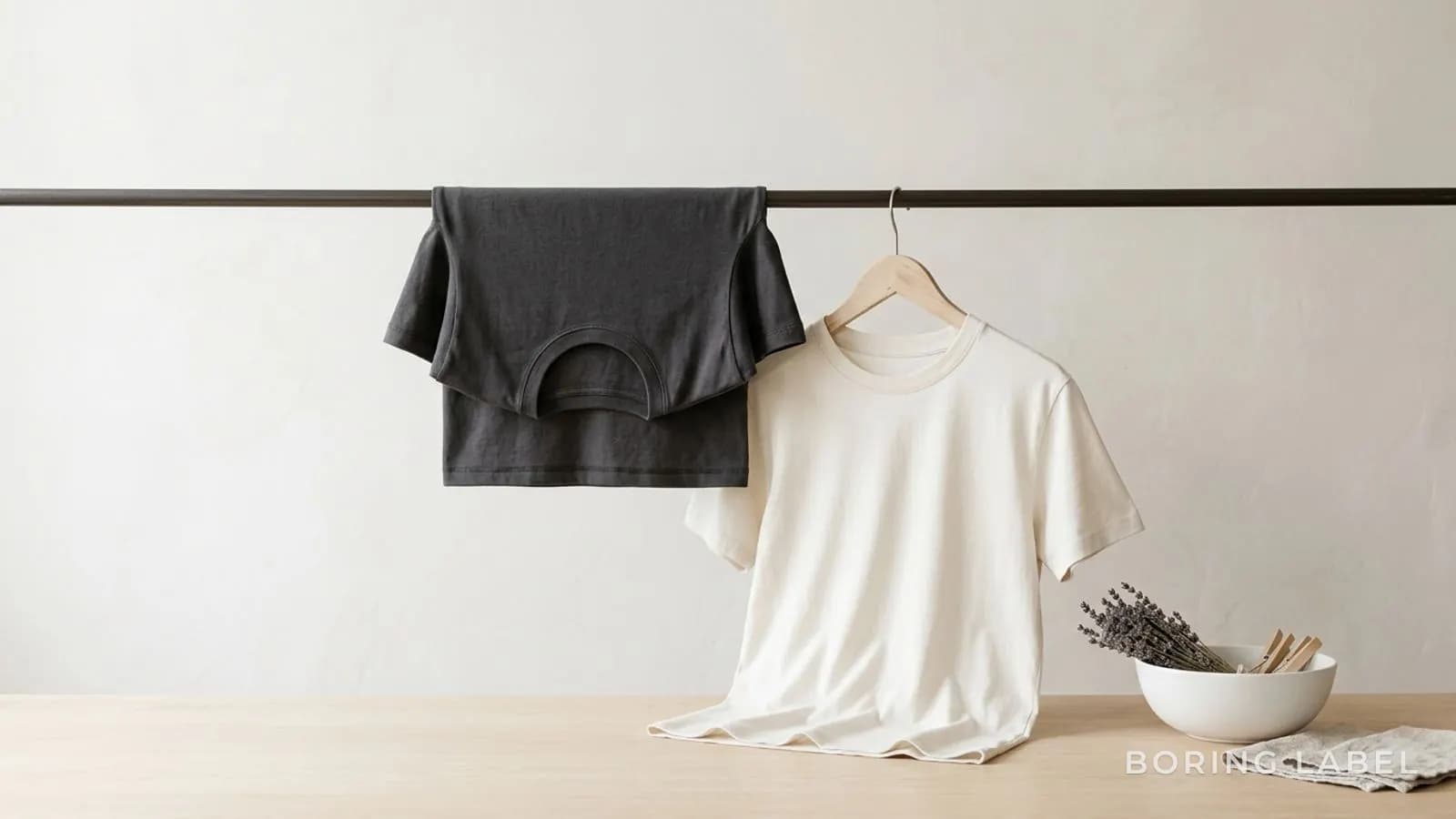
Your Washing Machine Is Aging Your Tees, Not Your Wearing
Here is an uncomfortable truth most people never connect. The t-shirt you love did not wear out from being worn.
It wore out from being washed. Wearing a tee for a day is gentle - a bit of stretching, some sweat, nothing dramatic.
Washing it is the violent part: hot water, harsh agitation, aggressive detergent, and then the single most destructive thing you can do to cotton, the tumble dryer.
Think about the lifecycle. A tee you wear twice a week gets washed maybe eighty to a hundred times in a couple of years.
Each of those washes is a small assault. The fibres swell and shrink, the colour leaches out a little, the collar gets yanked, and the dryer cooks the cotton and bakes in shrinkage.
Stack a hundred of those together and you have a faded, misshapen, bobbly tee - not because you wore it to death, but because you laundered it to death.
The good news is that laundry damage is almost entirely avoidable, and the fixes are free. You do not need special products or more effort.
In several cases you need less effort and less heat. What follows are five habits that undo most of the damage, plus the details that matter for Indian conditions specifically - hard water, monsoon humidity, and line-drying under a brutal sun.
Get these right and a modest tee will outlast an abused expensive one, easily.
Habit One: Wash in Cold Water, Always
If you change one thing, change this. Hot water is the enemy of a cotton tee, and almost nobody needs it.
Heat does three bad things to cotton at once. It relaxes the fibres so they shrink - most of a tee's shrinkage happens in hot water, not in the dryer alone.
It opens up the dye and lets colour bleed out, which is why your black tees grey and your colours go flat. And it accelerates the breakdown of any elastic content in the collar and cuffs, so ribbing loses its snap faster.
Cold water - or at most a cool 30 degrees - avoids all of this. Modern detergents are formulated to work perfectly well in cold water; the idea that you need heat to get clothes clean is decades out of date for normal sweat-and-wear laundry.
Reserve warm water for genuinely soiled items, oily stains, or anything that needs sanitising. Your everyday tees are not that.
In India there is a bonus: cold-water washing uses far less energy because you skip heating the water entirely, and if you bucket-wash or use a cold tap fill, it is essentially free. There is no downside here.
Cold water cleans your tees, keeps them their original size, and holds the colour. This single switch probably does more for the lifespan of your tees than everything else combined.
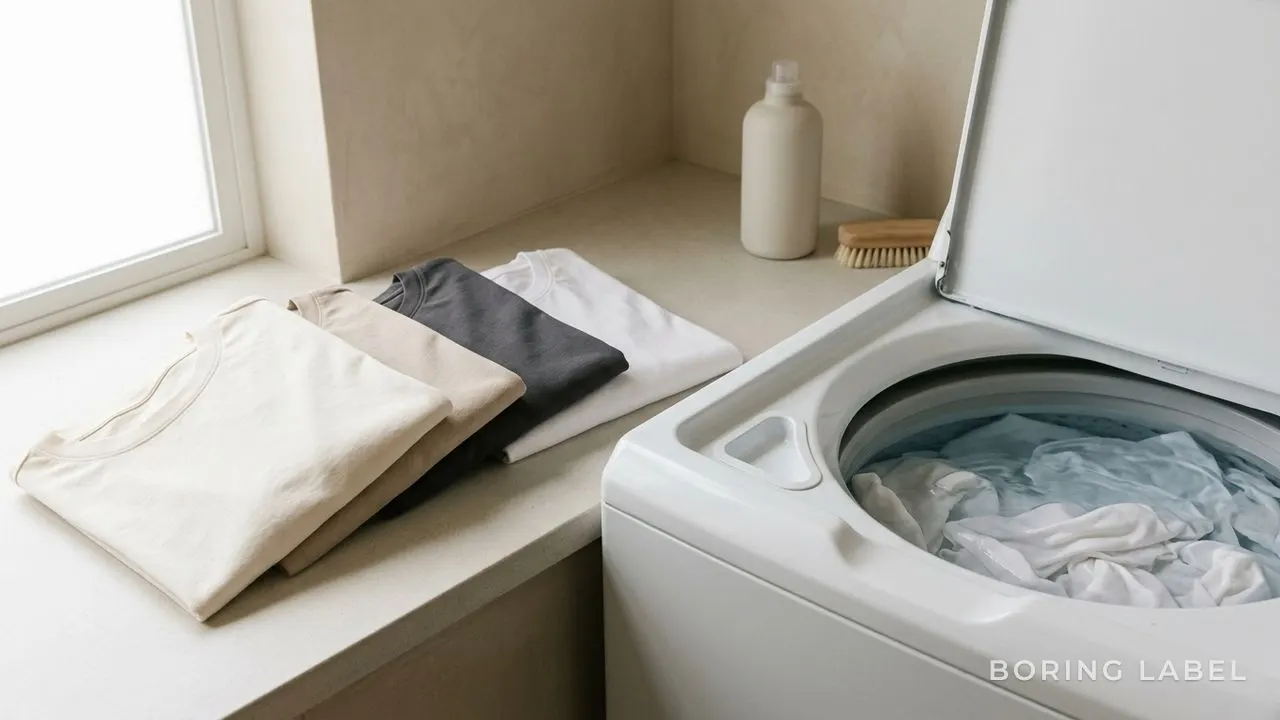
Habit Two: Turn Them Inside Out Before Washing
This one takes two seconds and protects the surface of the fabric - the part you actually see.
When tees tumble around in a wash, they rub against each other, against the drum, and against zips and buttons on other clothes. All that friction happens on whichever surface is facing out. Turn the tee inside out and the friction lands on the inside, where you do not care, instead of the outside, where you do.
This matters most for two things. First, pilling: those little fuzz balls form from surface friction, so keeping the outer face protected slows pilling dramatically.
If your tees are prone to it, this habit plus choosing better cotton in the first place is the real fix - and the cotton choice is worth understanding, which we cover in combed cotton versus carded. Second, any print or graphic: washing inside out keeps prints from cracking and fading by stopping them rubbing directly against everything else.
Plain tees benefit just as much as printed ones, because the smooth, even surface of good cotton is exactly what friction degrades first. Inside out, every wash, no exceptions. It is the cheapest insurance there is.
Habit Three: Air Dry, Never Tumble Dry
The tumble dryer is, fibre for fibre, the most destructive machine your tees will ever meet. If cold water is the most important habit, avoiding the dryer is a close second.
Watch the lint trap of a dryer fill up and you are watching your clothes disintegrate in real time. That lint is your tees - tiny fibres ripped loose by heat and tumbling.
Every cycle thins the fabric a little, roughens the surface, and bakes in shrinkage that cold-water washing had carefully avoided. The high heat also sets wrinkles and stresses the collar and seams.
A tee that would last five years on a clothesline might last two in regular dryer use.
Air drying solves all of it for free. In most of India this is the default anyway - a clothesline, a balcony rail, a drying rack. A few specifics make it work better:
- Dry tees on a rack or a thick line, not a thin wire. A thin wire or a single peg at the shoulder leaves a sharp crease and a stretched, pointy bit where it hangs. Fold the tee over a rack rail, or use a hanger, so the weight spreads out.
- Reshape while damp. Give the wet tee a gentle tug back into shape - square the shoulders, smooth the body, straighten the hem - before you hang it. Cotton dries into whatever shape you leave it.
- Hang it inside out if you are drying in direct sun, which leads straight to the next point.
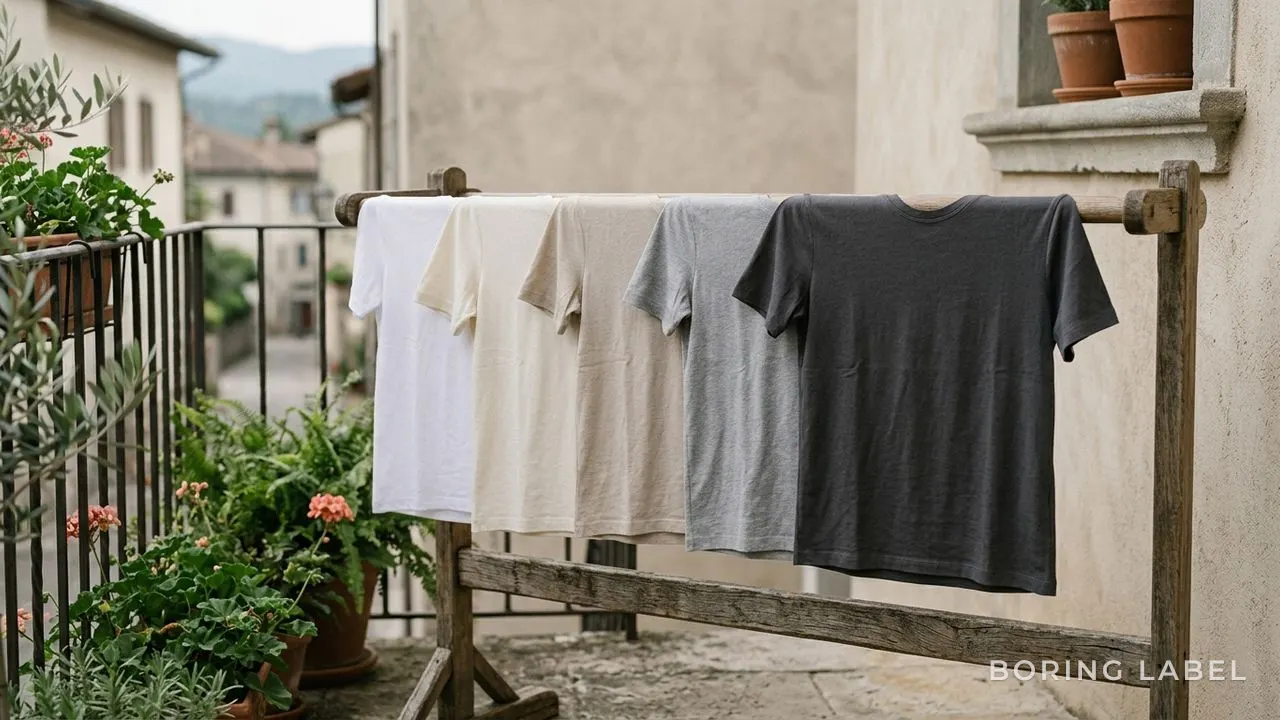
Habit Four: Keep It Out of Direct Sunlight
This is the India-specific trap. We line-dry almost everything, and the sun that dries a tee in twenty minutes is also bleaching it.
Strong direct sunlight fades dye fast, especially on darks and brights. A black tee dried on a sunny terrace day after day will grey noticeably quicker than the same tee dried in shade.
The UV breaks down the dye molecules right at the surface. White tees have the opposite but equally annoying problem: harsh sun combined with some detergents can drive a yellowish cast over time.
The fix is simple. Dry tees in bright shade or indirect light - a shaded balcony, under an overhang, an airy room.
They dry nearly as fast in warm Indian air without the bleaching. If you have no choice but full sun, turn them inside out so the fading happens on the inner surface, and bring them in the moment they are dry rather than leaving them baking for hours.
During the monsoon the problem flips from too much sun to not enough drying. Damp, humid air means tees dry slowly and can pick up a musty smell or even mildew if left wet too long. Dry them indoors with a fan moving air across them, give them space so air circulates, and make sure they are fully dry before folding them away - a tee put away slightly damp in monsoon humidity is how a whole stack ends up smelling off.
Habit Five: Use Less Detergent, Skip the Softener, Wash Less Often
Three small things bundled together, all pulling the same direction: gentler is better.
Use less detergent. Most people use far too much. Excess detergent does not get clothes cleaner - it fails to rinse out fully, leaving a residue that stiffens the fabric, dulls colour, and traps odour, which ironically makes tees smell worse over time.
This is especially true with India's hard water in many cities, where minerals already fight the detergent. Use the smaller end of the recommended dose, and if your tees feel stiff or look chalky, you are using too much.
Skip the fabric softener. It feels counterintuitive because softener promises softness, but on cotton tees it does more harm than good. It works by coating the fibres in a waxy film, which over time reduces breathability, dulls colour, and stops the cotton absorbing sweat properly - the opposite of what you want from a tee in Indian heat.
Good cotton is soft on its own and gets softer with washing naturally. If you want a softener for hard water, a small splash of white vinegar in the rinse cuts mineral buildup and softens without the waxy coating, and it rinses away completely.
Wash less often. Not every tee needs washing after one wear, and over-washing is just self-inflicted damage. Obviously a sweaty summer tee or anything visibly soiled goes straight in the wash.
But a tee worn for a few hours in air conditioning, or as a layer, can often be aired out overnight on a hanger and worn again. Every wash skipped is wear-and-tear avoided.
Use your judgement and your nose, not a reflex.
Hard Water, Stains, and the Indian Realities
The five habits cover the bulk of the damage, but a few India-specific situations deserve their own answers, because the generic Western laundry advice simply does not account for them.
Dealing With Hard Water
Large parts of India run on hard water, thick with calcium and magnesium. Hard water fights your detergent, so people respond by using more, which leaves more residue, which stiffens and dulls the tee.
It is a vicious little loop. The fix is not more detergent - it is a small amount of detergent plus something to soften the water.
A spoon of washing soda in the wash, or a splash of plain white vinegar in the rinse, neutralises the minerals so a modest dose of detergent can actually do its job and rinse out clean. If your tees come out of the wash feeling crunchy or looking chalky, hard water and detergent residue are almost certainly the cause, and this is the cure.
Sweat, Salt, and Yellow Underarm Stains
In Indian heat, the most common way a white tee dies is the yellow underarm stain - and most people make it worse by reaching for hot water and bleach. The yellowing is usually a reaction between sweat and the aluminium in antiperspirant, and heat sets it permanently.
The right move is the opposite: treat it cool. Dab the area with a paste of baking soda and water, or a little white vinegar, leave it twenty minutes, then wash cold.
Heat and harsh bleach bake the stain in and weaken the fabric at the same time, so the very tee you are trying to rescue gets thinner and more damaged for nothing.
Drying Through the Monsoon
We touched on monsoon damp, but it deserves a clear rule because it is where a lot of tees quietly turn musty. In humid air, the enemy is slow drying and trapped moisture.
Give tees room so air moves around each one, point a fan across them, and never fold one away until it is bone dry - a faintly damp tee in a closed cupboard during monsoon will breed that mildew smell and pass it to the whole stack. If a tee picks up a musty note, a cold wash with a vinegar rinse and a proper dry usually resets it before it sets in for good.
Storing Tees So They Keep Their Shape
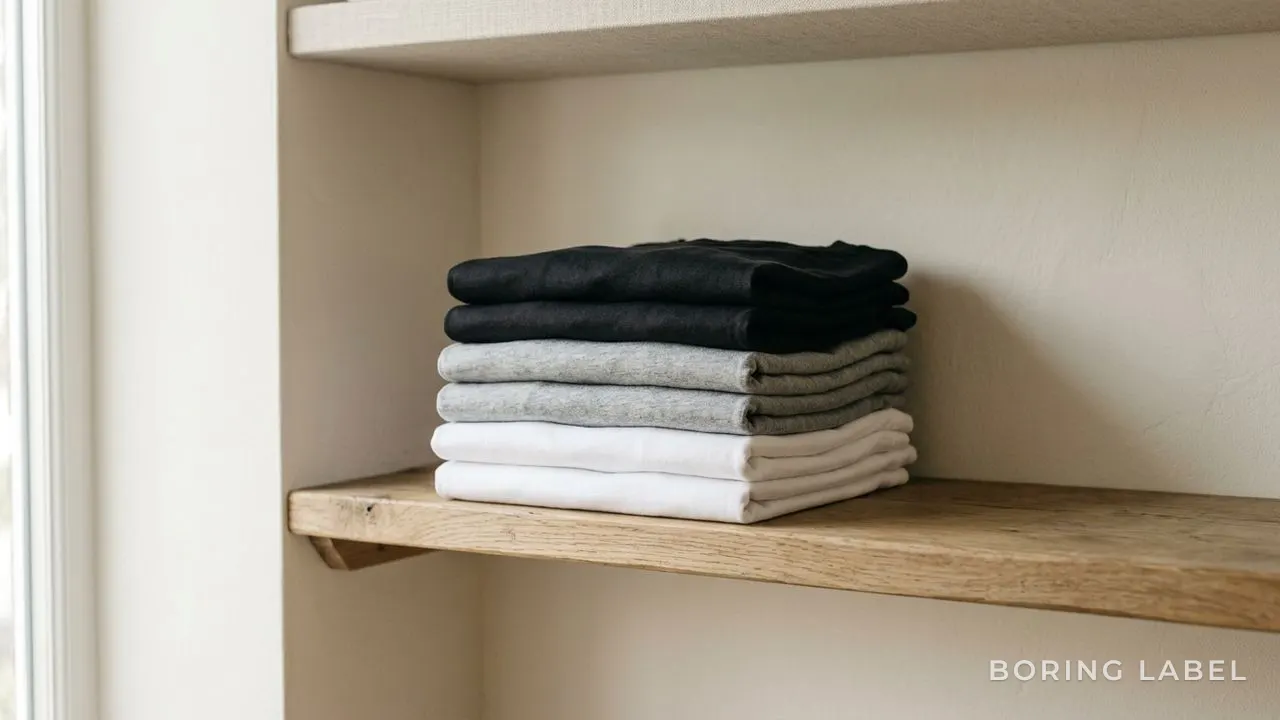
How you store a tee between wears matters more than people think. Heavy tees hung on thin hangers stretch out at the shoulders over months, developing those little points.
Fold knits instead of hanging them, or use a wide, shaped hanger if you must hang. Stack folded tees so the ones you wear most are accessible without disturbing the rest, and do not cram a drawer so tight that everything comes out creased.
Good storage is the unglamorous last step that protects all the care that came before it.
The Quick-Reference Routine
Here is the whole thing as a checklist you can stick to your mind, or your machine.
| Step | Do this | Why |
|---|---|---|
| Sort | Turn tees inside out, separate darks and lights | Protects the surface and stops colour bleed |
| Water | Cold or cool, 30 degrees max | Prevents shrinkage and fading |
| Detergent | Less than you think, gentle formula | Avoids residue, stiffness, trapped odour |
| Softener | Skip it; vinegar in the rinse if hard water | Softener coats and dulls cotton |
| Cycle | Gentle or normal, not heavy | Less agitation, less wear |
| Dry | Air dry on a rack or hanger, in shade | Avoids the dryer and sun damage |
| Reshape | Tug back into shape while damp | Cotton dries into whatever shape it holds |
| Frequency | Wash only when actually needed | Every skipped wash is wear avoided |
And a short list of things to simply never do to a tee you care about:
- Never tumble dry on high heat.
- Never wring a wet tee hard to squeeze water out - it twists and distorts the fabric. Press it gently instead.
- Never iron directly over a print.
- Never hang a heavy wet tee from a single point.
- Never leave tees damp in a pile, especially in monsoon humidity.
Why This Matters More Than Buying Expensive
Here is the thing that ties it all together, and it is the honest point we keep coming back to. Care matters more than price.
A 500-rupee tee washed by these rules will look better and last longer than a 2,500-rupee tee thrown in hot washes and a hot dryer. The expensive tee has better cotton and construction to start with, but you can destroy that head start in a few months of careless laundry, while a modest tee treated gently quietly outlasts it.
This is also why care and buying decisions are connected. Cost-per-wear - the real measure of what a tee costs you - is driven as much by how long it lasts as by what you paid.
A tee that survives two hundred wears because you washed it cold and air-dried it costs a fraction per wear of one that fell apart at fifty. If you want the full logic of that maths, cost per wear lays it out, and it is the argument for buying good and caring well rather than buying cheap and replacing endlessly.
It is worth understanding the materials too, because care and material work together. A well-made tee in good cotton responds far better to gentle care - it holds shape, resists pilling, keeps colour - whereas a poorly made one degrades no matter how careful you are. That is why we built our round-neck tee to take this routine well: mid-weight combed cotton that rewards cold washing and air drying with years of looking right.
Common Laundry Myths That Quietly Ruin Tees
A lot of confident laundry advice gets passed down unquestioned, and several popular beliefs do real damage to tees. Worth clearing a few up, because unlearning them is as valuable as the habits themselves.
- Myth: hot water cleans better. For everyday sweat-and-wear, cold water with modern detergent cleans just as well and avoids the shrinkage and fading that heat causes. Hot water is for genuinely soiled or sanitising loads, not your daily tees.
- Myth: more detergent means cleaner clothes. Past a small dose, extra detergent simply fails to rinse out, leaving residue that stiffens fabric and traps odour. Less is genuinely cleaner.
- Myth: fabric softener is good for cotton. Softener coats fibres in a waxy film that dulls colour and kills breathability - the opposite of what you want from a hot-weather tee. Good cotton softens naturally with washing.
- Myth: the dryer is fine on low. Even low heat thins cotton over time and bakes in shrinkage. Air drying is gentler at any setting, and free.
- Myth: ironing keeps a tee looking sharp. A hot iron, especially over a print, stresses and glazes the fabric. Reshaping a tee while damp and hanging it well removes most creases without heat.
- Myth: bleach saves a yellowed white tee. Harsh bleach weakens the fibres and often sets sweat stains rather than lifting them. A cool baking-soda or vinegar treatment is safer and works better.
Strip these myths out and what remains is the gentle, low-heat, low-effort routine this whole piece argues for. Most laundry damage is not bad luck; it is following advice that was wrong to begin with.
The Takeaway: Treat Washing as the Real Wear
The mental shift that changes everything is this. Stop thinking of washing as the thing that refreshes your tee and start thinking of it as the thing that ages it.
Once you see laundry as the wear, not the reset, every habit in this piece becomes obvious. Cold water because heat shrinks and fades.
Inside out because friction kills the surface. Air drying because the dryer is a fibre shredder.
Shade because Indian sun bleaches. Less of everything - detergent, softener, washing itself - because gentler always wins with cotton.
None of this costs money. Most of it costs less effort, not more - cold water and air drying are easier and cheaper than hot washes and tumble drying.
You are not adding a chore; you are removing the harm from one you already do. And the payoff is real: tees that keep their colour, hold their shape, stay smooth, and last for years instead of months.
Buy a decent tee. Then wash it like you intend to keep it. That is the entire secret, and it works on every tee you own, whatever it cost.
Boring Label
Wear the point of the article.
One honest tee. Heavyweight combed cotton, a collar that holds, a fit that actually fits. No logo, no noise.
Shop the round-neck teeFree shipping across India · Easy returns
Keep reading
Why White T-Shirts Turn Yellow (and How to Stop It)
The collar and armpits yellow for two different reasons - and most fixes make it worse. What is really happening, and how to stop it.
Why Your T-Shirt Still Smells After Washing
It looks clean but smells sour the moment it warms up. The real reason is the fabric, not your laundry routine.
Do Cotton T-Shirts Shrink? Why, How Much & How to Stop It
Why cotton tees shrink, how much to expect, and the simple care routine that keeps a good tee its size.
Stay in the loop
New writing, no noise
Occasional notes on fit, fabric, and dressing simply well. No spam, unsubscribe anytime.
Subscribe