Fabric
Slub fabric explained: texture or defect?
That bumpy texture on some cotton tees is not a flaw. Here is what slub yarn actually is, how to spot a real defect instead, and when slub is the right pick.

The bumpy tee that people can't decide is good or broken
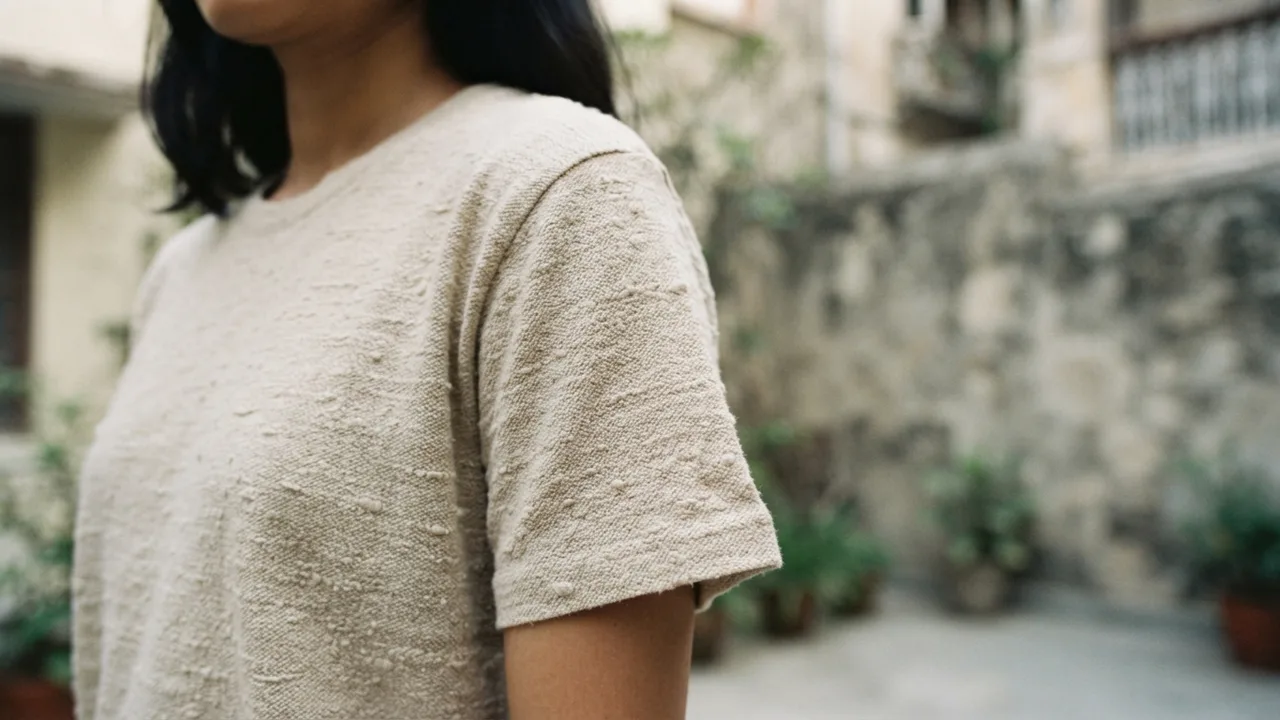
Pick up a slub cotton tee and the first reaction is almost always the same. Run a hand across the surface and you feel small, irregular bumps and thickness variations in the yarn, and the instinct is to wonder if something went wrong at the factory.
Nothing went wrong. Slub is a deliberate texture, either engineered into the yarn on purpose or, in its original form, a natural byproduct of handspun cotton, and it has been a legitimate fashion fabric choice for decades.
This guide settles the texture-or-defect question clearly, and explains when slub is the right pick for a wardrobe and when a smooth, even knit serves you better.
What slub actually is, mechanically
Slub refers to irregular thick-and-thin sections along the length of a cotton yarn, which show up as small raised bumps and slightly uneven texture once the yarn is knitted into fabric. In modern manufacturing, this is created intentionally, either by feeding fibre unevenly during spinning or by twisting together yarns of different thicknesses, specifically to produce that irregular, textured look.
This is genuinely different from a manufacturing defect, which would show up as random, inconsistent flaws with no pattern. Slub is a controlled, repeatable irregularity, engineered to look organic and handmade even though it comes off an industrial knitting machine.
The effect traces back to handspun cotton yarn, which naturally varied in thickness because it was spun by hand rather than machine, producing a fabric with visible texture and character that mill-spun, perfectly even yarn does not have. Modern slub yarn recreates that same organic, artisanal look through deliberate engineering rather than by accident.
Slub vs a genuine fabric defect: how to tell them apart
This is the practical question most people actually want answered, and there is a clear test.
Pattern and repetition. Slub texture repeats in a semi-regular rhythm across the fabric, roughly evenly distributed, because it is built into the yarn structure itself before knitting even begins. A genuine defect, like a knitting fault or a snag, appears as an isolated, one-off irregularity that does not repeat.
Consistency across the garment. A slub tee shows the same textured character everywhere, sleeves, body, and hem alike, because the whole yarn batch was spun with the same slub profile. A defect shows up in one localised spot and nowhere else on the garment.
Structural integrity. Slub yarn, done properly, does not compromise the strength of the fabric at the thin sections, since manufacturers control the degree of variation to stay within a safe tensile range. A true weak point from a manufacturing flaw, by contrast, is often where a hole or tear eventually starts.
If a t-shirt shows even, repeating texture throughout and feels structurally sound when gently stretched, it is slub by design. If it shows one obvious localised flaw surrounded by otherwise smooth fabric, that is a defect, and worth returning or exchanging.
How slub compares to a standard smooth knit
Here is the direct comparison across the properties that actually affect how the tee wears and looks.
| Property | Standard smooth knit | Slub knit |
|---|---|---|
| Surface texture | Even, uniform | Irregular, textured, tactile |
| Visual character | Clean, minimal | Organic, casual, artisanal |
| Drape | Smoother, closer to body | Slightly looser, more relaxed |
| Breathability | Good | Often better, due to micro air gaps at thick sections |
| Best occasion | Smart-casual, formal-adjacent | Casual, weekend, relaxed settings |
| Pilling visibility | More visible on smooth surface | Less visible, texture camouflages early pilling |
| Colour uniformity | Fully even | Subtle tonal variation at slub points |
One underrated advantage of slub worth calling out: the texture actually helps camouflage the earliest signs of pilling, since a naturally irregular surface hides small fibre balls better than a perfectly smooth knit does, where any pilling is immediately obvious.
How slub yarn is actually made today
Modern slub yarn is engineered on the spinning frame itself, where the machine is deliberately programmed to vary the draft ratio, the amount a fibre roving is thinned before twisting, at set intervals along the yarn's length. Speeding up or slowing down the draft rollers in a controlled rhythm produces sections of thicker, less-drafted yarn alternating with the normal thinner sections, creating the characteristic slub bumps at a semi-regular but not perfectly uniform interval.
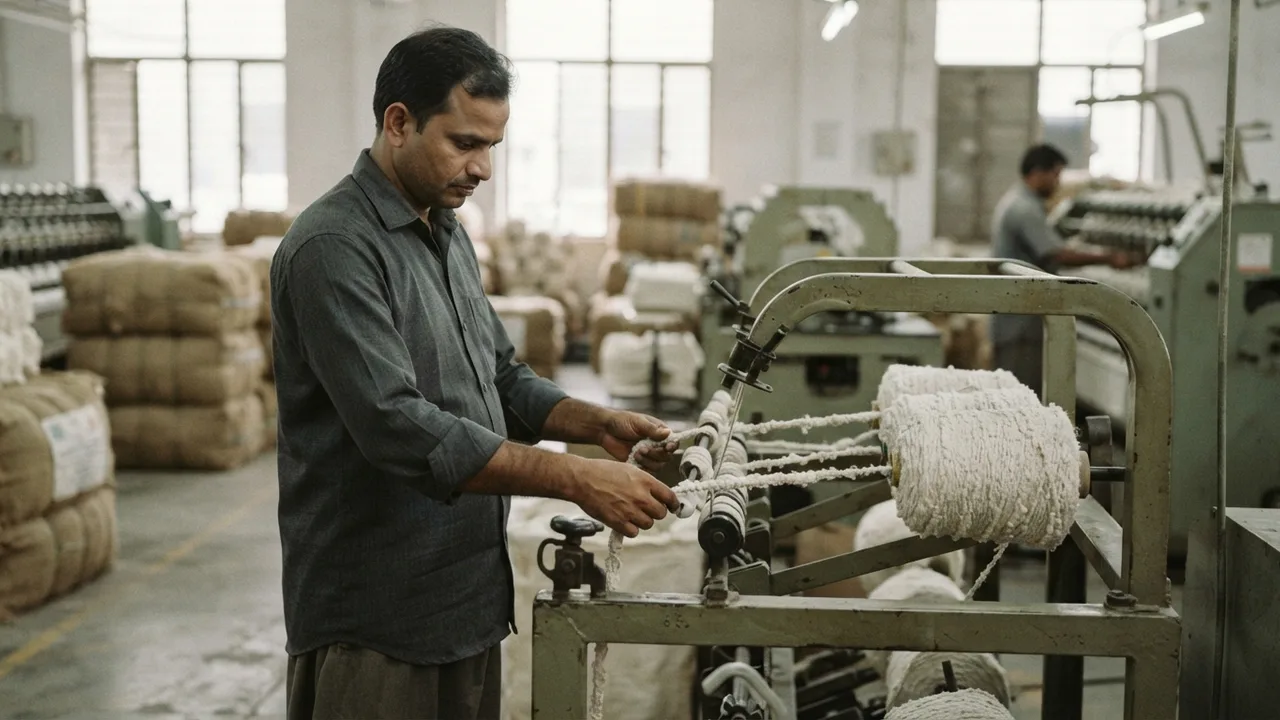
This is a meaningfully different process from simply using low-quality or inconsistent raw fibre, which would produce genuinely random, uncontrolled thickness variation rather than a deliberate rhythm. A well-engineered slub yarn follows a repeatable pattern designed by the mill, sometimes to a specific brief matching a designer's desired texture density, coarse and pronounced or fine and subtle.
Slub can also be created by twisting together two yarns of different thickness or twist level, a technique sometimes called a fancy or novelty yarn, which produces a related but visually distinct effect from single-yarn slub. Both approaches trace back to the same goal: recreating the organic irregularity of handspun cotton through controlled, repeatable machine processes.
Slub and colour: why dye uptake varies across the yarn
There is a subtle visual effect worth knowing about before buying slub in a lighter or brighter colour. Because slub yarn's thickness varies along its length, the amount of dye each section absorbs during the dyeing process also varies slightly, since thicker sections have proportionally less exposed surface area relative to their mass than thinner sections.
The result is a soft, natural tonal variation across the fabric, sometimes called depth of shade, where the fabric is not perfectly flat and uniform in colour but shows subtle lighter and darker striations following the slub pattern. This is generally considered a desirable effect rather than a flaw, reinforcing the organic, artisanal character slub is meant to evoke, and it is one of the visual cues that distinguishes genuine slub from a printed or simulated texture effect.
If a garment claims slub texture but shows perfectly flat, uniform colour with no tonal variation at all, it is worth a closer look, since that can indicate the texture was achieved through fabric finishing or printing rather than genuine slub yarn construction.
Where slub genuinely earns its place in a wardrobe
Slub works best in relaxed, casual contexts, where its inherent texture reinforces a lived-in, unfussy look rather than fighting against a clean, formal aesthetic. It pairs naturally with the kind of minimalist, effortless dressing covered in our piece on simple ways to look better, where texture does some of the visual work that a smooth fabric would need pattern or colour to achieve instead.
It is a strong choice for warm-weather casual wear specifically, since the yarn's irregular structure often improves airflow slightly compared to a tightly even knit, similar in spirit to the breathability logic covered in breathable fabric for summer. If your wardrobe leans toward the quiet-luxury, texture-over-logo aesthetic discussed in no-logo clothing, a good slub tee delivers visual interest without needing a single graphic or brand mark to do it.
Where a smooth knit is still the better call
Slub is not the right choice everywhere, and being honest about that matters. For anything reading toward smart-casual or office-adjacent, discussed in smart casual basics, a smooth, even knit reads as more deliberate and put-together, while heavy slub texture can tip a look toward too casual for the context.
Slub also tends to show more visibly under certain lighting and against certain colours; very dark solids like black can hide slub texture almost entirely, while lighter, mid-tone colours make the irregular yarn thickness more visually obvious. If you want the texture to actually show and read as intentional, choose it in a mid-tone or lighter shade; if you want a subtler effect, a dark slub tee gives you the tactile benefit with a cleaner visual look.
Quality signals specific to slub fabric

Because slub deliberately varies yarn thickness, quality control matters more here than with a standard even knit, since a poorly engineered slub can cross the line into genuine structural weakness at the thinnest points.
Check that the thin sections of yarn still feel structurally sound when gently stretched, without any area feeling notably weaker or thinner than the rest. A well-made slub tee, like the round-neck tee offering from Boring Label when built in a slub variant, controls the degree of yarn irregularity carefully enough that the texture reads clearly without ever compromising durability or fit.
This is also where GSM matters slightly differently than with a smooth knit. Because slub yarn is inherently uneven, two slub tees claiming the same GSM can still feel meaningfully different in hand depending on how tightly the slub variation is controlled during spinning, similar to how ring-spun vs open-end yarn spinning method changes feel independent of raw fibre weight.
Slub in different fibres, not just cotton
While this guide focuses on cotton, since it dominates the t-shirt category, slub texture also appears in linen, wool blends, and some synthetic-natural mixes, each with a slightly different character.
Linen slub tends to look more pronounced and rustic than cotton slub, because linen fibre is naturally stiffer and less uniform to begin with, amplifying the deliberate irregularity even further. Cotton slub, by contrast, sits at a gentler, more subtle end of the texture spectrum, which is part of why it works so well for everyday basics rather than only statement pieces.
If you are building out a texture-forward capsule alongside your slub cotton tees, it is worth knowing this fibre-dependent variation exists, so a slub linen shirt and a slub cotton tee are not expected to match in texture intensity even when styled together.
The takeaway
Slub is texture, not a defect, and it is worth recognising the difference the next time you pick up a t-shirt and feel that bumpy, irregular surface under your fingers. It is a deliberate design choice, tracing back to the organic character of handspun cotton, engineered today to bring the same tactile interest to a modern, machine-made basic.
Choose it for relaxed, casual, texture-forward looks, and lean toward smooth, even knits when the occasion calls for something cleaner and more deliberate. Either way, once you understand what slub actually is and how to tell it apart from a genuine flaw, you can shop for it with confidence instead of hesitation the next time that bumpy texture shows up under your hand in a fitting room.
Boring Label
Wear the point of the article.
One honest tee. Heavyweight combed cotton, a collar that holds, a fit that actually fits. No logo, no noise.
Shop the round-neck teeFree shipping across India · Easy returns
Keep reading
Most Breathable Fabric for Summer (India Guide)
Breathability is not just the fibre. Weave, weight, and finish decide whether a tee cools you or clings.
No-Logo Clothing: Why Less Branding Wins
A logo turns you into free advertising. No-logo clothing is a quiet refusal — and it ages far better.
Ring-Spun vs Open-End Yarn: The Quality Divide
Two tees with identical GSM and fabric type can feel completely different because of how the yarn was spun. Here is ring-spun vs open-end, explained plainly.
Stay in the loop
New writing, no noise
Occasional notes on fit, fabric, and dressing simply well. No spam, unsubscribe anytime.
Subscribe