Fabric
The Most Breathable Fabric for Summer
Breathability is not just the fibre. Weave, weight, and finish decide whether a tee cools you or clings.
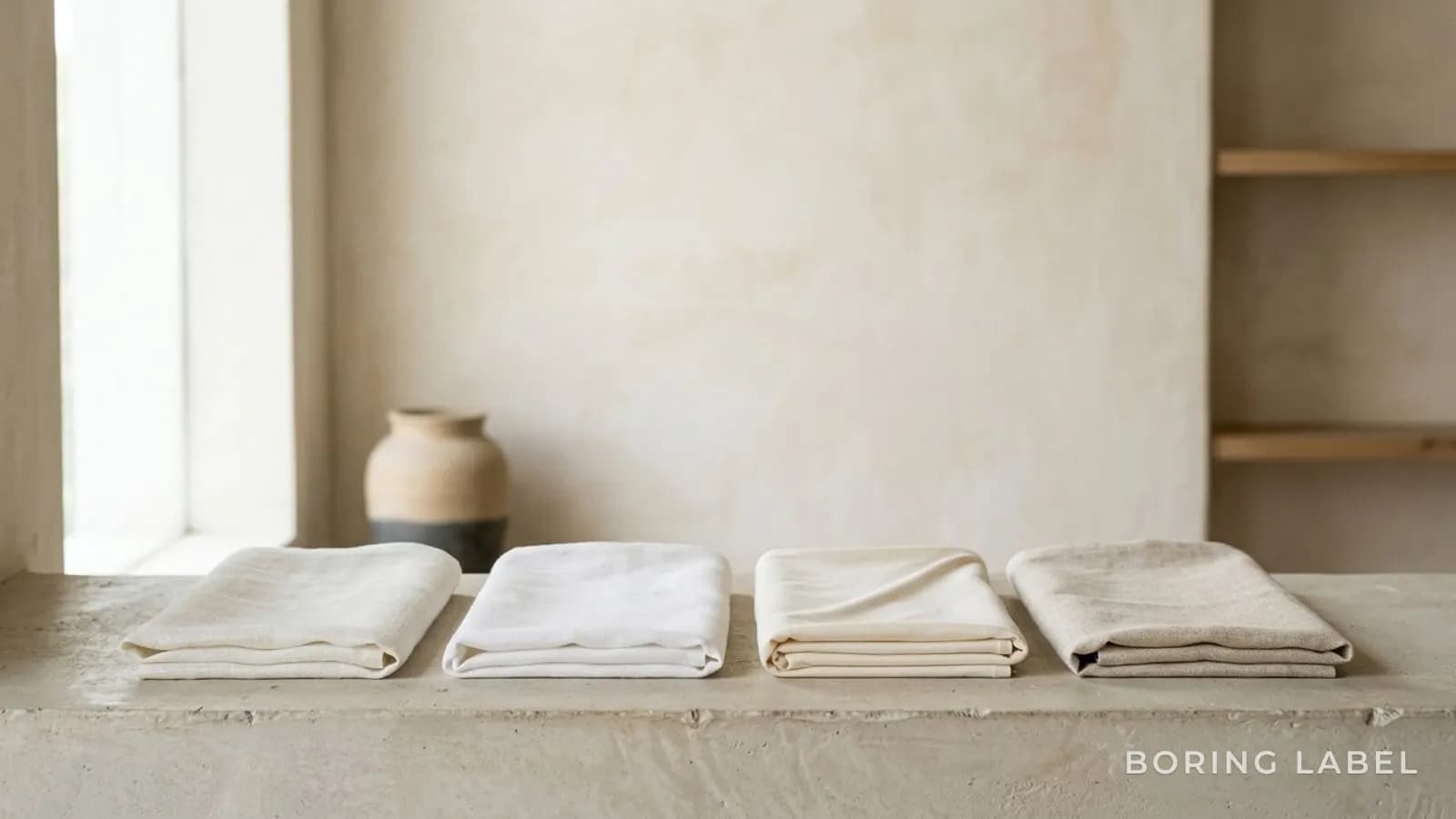
Breathability is not one thing
Ask someone which fabric is most breathable and they will name a fibre - cotton, linen, maybe modal. That answer is half right and it is the half that gets people sweating through an Indian afternoon in a shirt they were told was cool.
Breathability is really three separate jobs the fabric has to do, and they pull in slightly different directions. The first is air permeability - how easily air moves through the cloth to carry heat away from your skin.
The second is moisture-wicking - how well the fabric pulls sweat off your skin and spreads it out. The third is drying speed - how fast that moisture evaporates instead of sitting against you.
A fabric can be brilliant at one and poor at another. Linen breathes air beautifully but does not wick.
Polyester sport fabric wicks hard but can trap heat and stink. Cotton wicks and feels cool but dries slowly and clings when soaked.
On top of all that, Indian summer is not one climate. Delhi in May is dry and forty-plus, where sweat evaporates fast and your enemy is radiant heat.
Mumbai or Chennai in the same months is humid, where the air is already saturated and your enemy is sweat that will not evaporate at all. The fabric that wins in one can fail in the other.
So before naming a winner, it helps to be honest that the question has two answers depending on where you live.
The good news is that the principles are simple once you separate them, and a well-chosen everyday tee handles most of it. The rest of this guide pulls the three jobs apart, then puts them back together for dry heat and for humidity.
Air, sweat, and evaporation
Your body cools itself in summer mainly by sweating. Sweat lands on your skin, evaporates, and evaporation pulls heat away.
Anything that helps that cycle keeps you cool. Anything that interrupts it makes you hot.
That is the whole physics of summer dressing, and every fabric choice is just a way of helping or hindering it.
Air permeability
Air permeability is how freely air passes through the cloth. Moving air carries away both heat and humid air trapped near your skin, and it speeds evaporation.
A loose, open structure lets air through. A dense, tight one does not.
This is why a flimsy tee can feel cool in the breeze and a heavy one feels stifling even in the same fibre.
But there is a tax. The same openness that lets air through also lets light through, so very airy fabrics tend to be see-through and lose their shape. There is a balance to strike between breathing and being a real, opaque, lasting garment.
Wicking
Wicking is the fabric pulling liquid sweat off your skin and spreading it across a wider surface so it can evaporate. A fabric that wicks well feels dry even when you are sweating because the moisture is being moved away and spread out. A fabric that does not wick lets sweat pool, so it sits on your skin, soaks one patch, and clings.
Cotton actually wicks and absorbs well, which is why it feels cool and comfortable. Its weakness is the next job.
Drying speed
Once sweat is in the fabric, it has to evaporate. Fast-drying fabric clears the moisture and resets for the next round.
Slow-drying fabric holds the water, which is why a soaked cotton tee in humidity stays heavy and clammy long after you have stopped sweating. Synthetics dry fast because they barely absorb water in the first place.
Linen dries fast because its structure releases moisture readily. Heavy cotton dries slowest of all.
Hold these three jobs in mind and every fabric below becomes easy to judge. There is no magic fibre. There is a fibre and a construction that suit your particular heat.
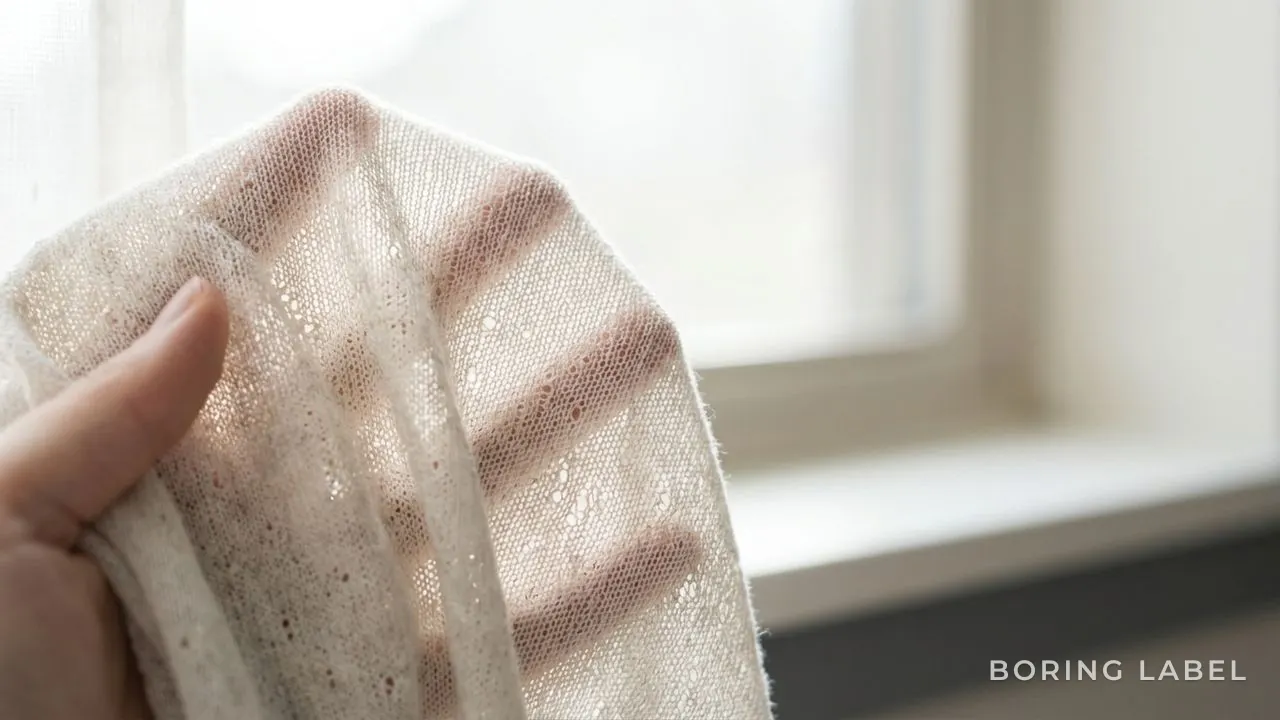
The fabrics, judged honestly
Here is how the common summer fabrics actually perform across the three jobs, plus how they feel and hold up.
| Fabric | Air flow | Wicking | Drying | Best climate | Catch |
|---|---|---|---|---|---|
| Cotton (combed) | Good | Very good | Slow | Dry heat | Clings when soaked in humidity |
| Linen | Excellent | Poor-moderate | Fast | Dry heat | Wrinkles, semi-sheer, coarse |
| Modal / TENCEL | Good | Excellent | Moderate | Both | Pricier, needs gentle care |
| Cotton-linen blend | Very good | Good | Fast | Both | Slight texture |
| Polyester (sport) | Variable | Excellent | Very fast | Active, dry | Can trap heat, odour |
| Bamboo viscose | Good | Good | Moderate | Both | "Bamboo" is processed viscose |
A few of these deserve unpacking, because the table flattens some honest trade-offs.
Cotton is the default summer fibre for good reason. Combed cotton wicks sweat and feels soft and cool against the skin, and in dry heat it is excellent because the sweat it holds evaporates quickly in the dry air.
Its one real weakness is humidity: when the air is already saturated, cotton soaks up sweat and cannot release it, so the tee goes heavy and clings. The fix is mostly weight - a lighter, more open cotton knit in summer rather than a heavy one.
We go deep on choosing weight in the GSM guide, but the headline is that a mid-weight everyday knit, not a heavyweight one, is the summer answer.
Linen is the most air-permeable common fabric. Its thick, irregular fibres and loose weave let air pour through and it dries fast, which is why it has been the hot-climate cloth for thousands of years.
The catches are real though: it wrinkles the moment you sit down, it is often a bit sheer, and it can feel coarse and structured rather than soft. Linen is superb for shirts and for genuinely dry heat.
As a soft everyday tee it is less natural, which is why you see it blended.
Modal and TENCEL are made from wood pulp and are quietly excellent for summer. They wick better than cotton, feel cool and silky, drape beautifully, and resist the clamminess that plagues cotton in humidity.
They cost more and need gentler washing, but for humid coastal heat they are arguably the best feel you can get. A little modal blended into cotton is a common, sensible upgrade.
Polyester divides hard. Technical sport polyester wicks and dries faster than anything natural, which is why running gear is made of it.
But cheap polyester in a casual tee can trap heat, feel plasticky, and hold odour because bacteria thrive in it. For active wear in dry heat it earns its place.
For sitting in a humid office it often makes you hotter and smellier, not cooler.
Bamboo is marketed as a natural miracle and is mostly bamboo-derived viscose, a processed fabric. It is genuinely soft and breathes decently, but treat the "natural bamboo" halo with suspicion. Judge it on feel and weight like anything else.
The pattern across all of them: there is no single best fabric. There is a best fabric for your climate and your use, and construction matters as much as the fibre name on the label.
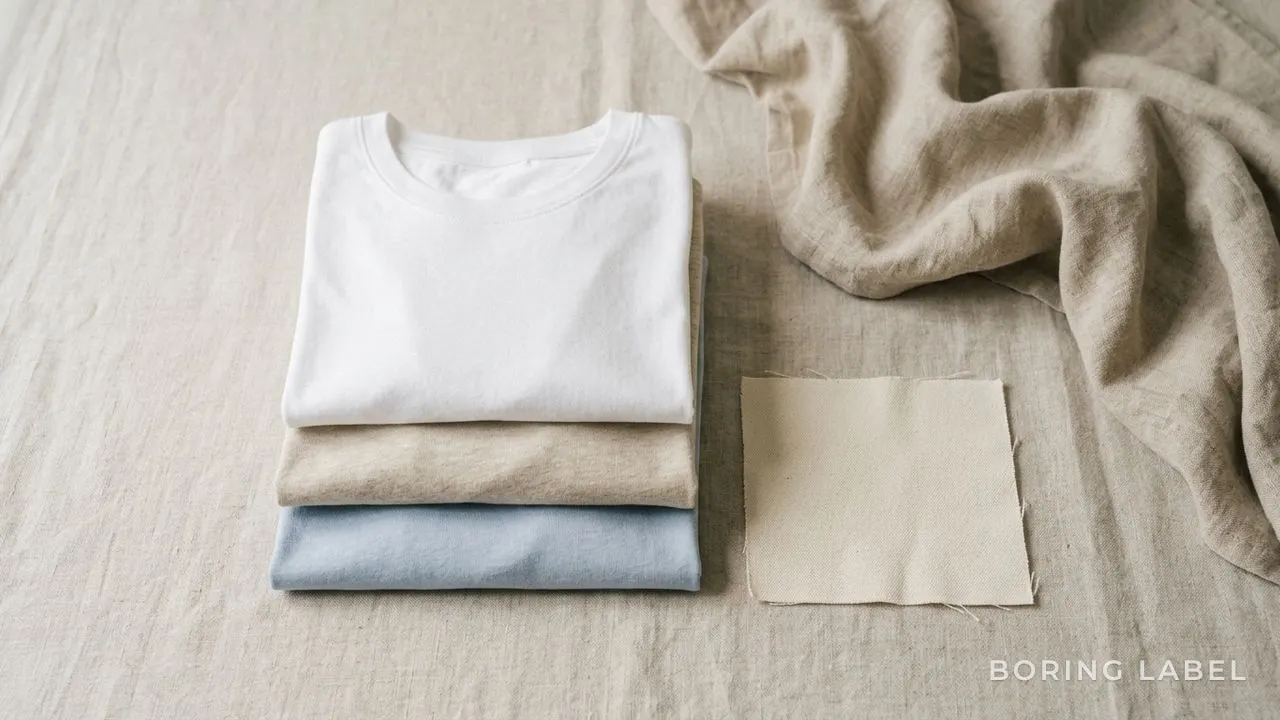
Weave, weight, and finish decide it
This is the part most fabric guides skip, and it is the part that decides whether your tee actually keeps you cool. Two tees can both say "100 percent cotton" and feel completely different in heat because of how they are built.
Weight is the biggest lever. A heavy cotton tee holds more fibre, more trapped air, and more absorbed sweat, and it dries slowly.
A lighter knit breathes better, dries faster, and feels cooler in heat - within reason, because go too light and it turns sheer and shapeless. For Indian summer the sweet spot is a mid-weight everyday knit: substantial enough to be opaque and last, light enough to breathe.
Heavyweight tees are a cooler-weather pleasure, not a summer one. The full framework for reading weight, with the right band for heat, is in the GSM guide.
Weave and knit structure matter almost as much. An open, breathable knit lets air through.
Some summer fabrics use deliberately open structures - slub textures, pointelle, or looser jersey - to boost airflow. A dense, tight knit blocks air and holds heat, which is great for a winter tee and wrong for July.
So the same weight can breathe differently depending on how openly it is knitted.
Finish changes the hand and the cling. A garment-washed or enzyme-finished cotton feels softer and sits more loosely off the skin, which helps in humidity because less fabric is pressed against you.
A stiff, heavily-treated finish can sit flat and clammy. This is subtle but real once you start noticing it.
Colour is a genuine factor outdoors. Dark colours absorb more radiant heat in direct sun, light colours reflect it.
Under a Delhi sun, a white or pale tee runs measurably cooler than a black one. Indoors and in shade it matters far less.
We cover the full colour-for-heat logic in the best summer t-shirts guide, but the rule is simple: lighter for sun, anything you like for shade.
So when you pick a summer tee, you are really picking four things at once: fibre, weight, knit openness, and colour. Get a mid-weight, openly-knit, light-ish cotton or cotton blend and you have most of breathability sorted before you have read a single technical claim.
Choosing for dry heat versus humidity
Now put it together for the two Indian summers, because the right answer genuinely flips.
Dry heat (North and West India, peak summer)
In dry, blazing heat your sweat evaporates readily, so your priorities are airflow, sun reflection, and a fabric that does not trap radiant heat.
- Cotton and linen shine here. Sweat evaporates fast, so cotton's slow-drying weakness barely shows, and you get its softness and cooling. Linen's airflow is a gift under direct sun.
- Go light in weight and colour. A light-to-mid-weight knit in white, off-white, pale grey, sand, or light blue reflects sun and breathes.
- Looser fit helps. A slightly relaxed cut lets air circulate against the skin rather than pressing fabric flat. This is where airflow does its work.
- Avoid heavy polyester in the sun. It can trap radiant heat against you.
Humid heat (coastal cities, monsoon shoulder)
In humidity the air is already full of water, so evaporation is sluggish and your enemy is sweat that will not leave. Priorities flip toward wicking, fast drying, and minimal cling.
- Modal, TENCEL, and cotton-modal blends are the quiet winners. They wick hard, dry faster than pure cotton, and resist the clammy cling that ruins heavy cotton in humidity.
- Keep cotton light and washed. Pure cotton still works if it is a light, soft, garment-washed knit - just not a heavy one, which will soak and stay soaked.
- Fast-drying matters more than airflow. When the air will not take more moisture, a fabric that releases what it has and resets is what keeps you comfortable.
- A touch of synthetic or man-made fibre earns its place here for the wicking and drying, in a way it does not in dry heat.
The monsoon adds its own wrinkle - literal dampness in the air, splashes, and slow drying overhead - and we cover dressing for that specifically in the monsoon clothing guide. The fabric logic is the same, tilted even harder toward fast-drying.
If you want one tee that handles both reasonably well, a mid-weight combed cotton, ideally with a little modal, in a light colour and an open knit, is the honest all-rounder. It is not the absolute best in either extreme, but it is good in both, which is what an everyday tee should be. That balance is exactly what we aimed for in our round-neck tee, and it is the only mention we will make of it.
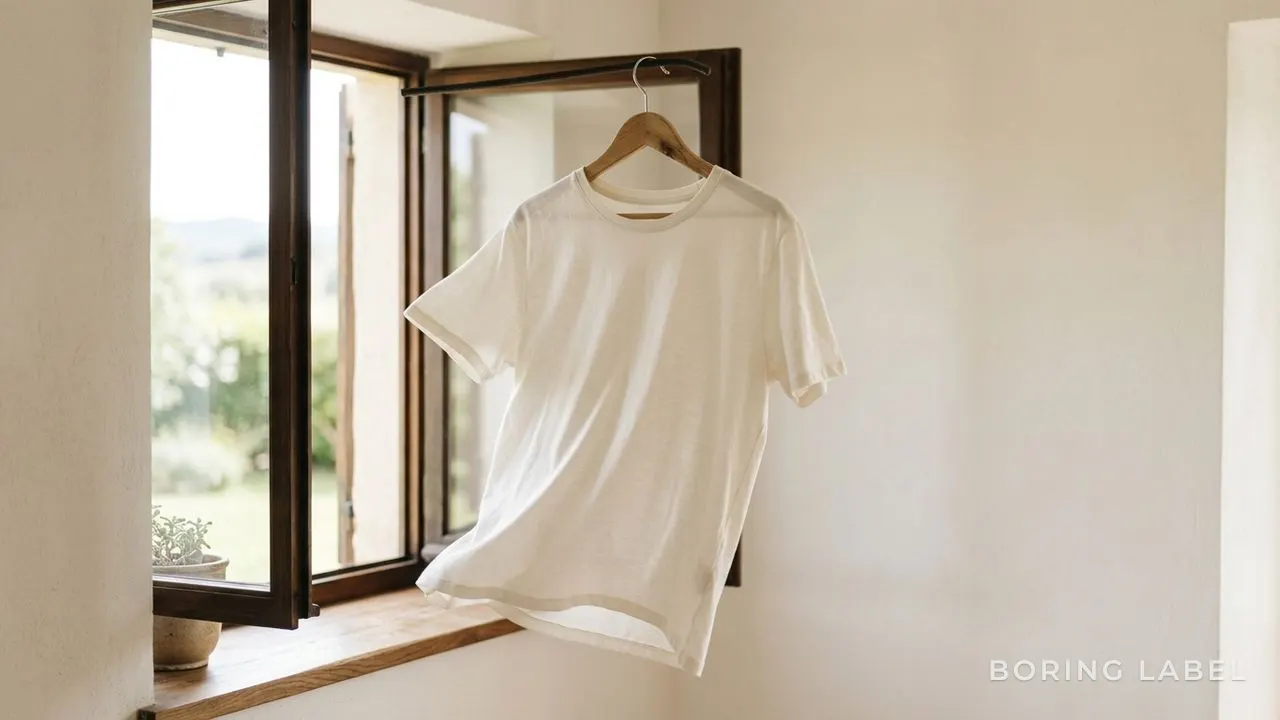
Fit and cut change breathability as much as fabric
Two people in the identical tee can feel differently hot, because fit decides how much fabric is pressed flat against skin and how freely air moves underneath. This is the lever most people ignore, and it is free.
Skin-tight fabric, however breathable the fibre, traps a thin layer of warm humid air against you and gives sweat nowhere to evaporate except straight back onto your skin. A slightly relaxed cut lifts the cloth off the body in places, creating little channels for air to move through - this is the whole reason loose kurtas and flowing cottons have been hot-climate wear in India for centuries. Airflow needs a gap to flow through, and a tight tee removes the gap.
That does not mean baggy is always cooler. Too loose and the fabric clings when you sweat anyway, sticks in folds, and stops moving air.
The sweet spot for heat is a regular or slightly relaxed fit that skims the body without gripping it - close enough to drape cleanly, loose enough to let air circulate. The neckline matters too: a round neck that sits a little away from the throat vents heat better than a tight high collar.
Sleeve length is a real trade-off in strong sun. Bare arms lose heat fastest in shade and indoors, but in direct desert-style sun a light, loose short sleeve actually protects the skin from radiant heat while still breathing.
Long, light cotton sleeves are why people in the hottest dry regions of the world cover up rather than strip off - the cloth shades the skin and the airflow underneath does the cooling. For most Indian city wear, a normal short sleeve in a light fabric is the practical answer.
So when you assess a summer tee, assess the cut alongside the cloth. A mid-weight light cotton in a clean regular fit will out-cool a tighter tee in a fancier fibre, because the fit is doing half the work. The fabric sets the potential; the fit decides how much of it reaches you.
The summer mistakes almost everyone makes
Most people stay hotter than they need to in summer because of a handful of repeated errors. Each one comes from believing a half-truth about fabric. Naming them is the fastest way to dress cooler tomorrow.
- Buying heavy because it feels premium. The single biggest mistake. A thick, dense, heavyweight tee photographs as luxurious and feels substantial in the shop, so people buy it and then cook in it through May. Heavy means more fabric, more trapped heat, and slower drying - exactly wrong for summer. Lean lighter than your instinct, every time. The weight that feels best in the shop is rarely the weight that feels best at forty degrees.
- Trusting "wicking" on a cheap synthetic. Technical sport polyester genuinely wicks, but a cheap full-polyester casual tee often traps radiant heat, feels plasticky against the skin, and holds odour because bacteria thrive in it. People buy it for the gym word "wicking" and then stew in it at a desk. For non-active summer wear, a light natural or man-made fibre beats cheap synthetic.
- Wearing dark colours in direct sun and blaming the heat. A black tee in a Delhi afternoon absorbs noticeably more radiant heat than a white one. Indoors and in shade it barely matters, so the fix is situational: pale and reflective for time spent in the sun, anything you like otherwise. People who wear black outdoors all summer and complain of the heat are fighting physics for no reason.
- Choosing tight because it looks sharper. A slim, body-hugging fit presses fabric flat to the skin and kills the airflow that does the cooling. A clean regular fit looks just as considered and breathes far better. Vanity costs comfort here, and it does not have to.
- Ignoring drying speed in humidity. Coastal dwellers buy heavy cotton, soak it by noon, and wonder why it stays clammy all afternoon. In humid air, drying speed beats almost everything, which is why lighter cotton, modal, and blends win on the coast. Matching the fabric to the kind of heat, not just to the word "summer", is the whole game.
Avoid those five and you will be cooler than most of the people around you, without buying anything exotic. They are mistakes of belief, not budget, which means they cost nothing to fix.
A summer buying checklist
Pull all of it into a quick test you can run on any tee, in a shop or online.
- Check the fibre. Combed cotton for dry heat, cotton with modal for humidity, linen or linen blends for genuinely hot dry days. Be wary of cheap full polyester for casual wear.
- Pick the weight down, not up. For summer you want a mid-to-light everyday knit, not a thick heavyweight. Hold it to the light: substantial enough to be opaque, not so heavy it feels like a sweatshirt.
- Look for an open, soft knit. A slightly textured or openly-knitted surface breathes better than a dense, flat, tight one.
- Favour lighter colours for sun. Whites and pales for outdoor heat; darker is fine for shade and indoors.
- Check it is garment-washed or soft-finished. Softer fabric sits off the skin and clings less when you sweat.
- Try the drape test. Good summer fabric falls away from the body rather than sticking flat. Hold it against your forearm - does it sit lightly or cling?
Run that and you will skip the two classic summer mistakes: buying a heavyweight tee because it "feels premium" and then cooking in it, and buying a cheap full-synthetic tee because it "wicks" and then stewing in trapped heat and odour.
The honest verdict
There is no single most breathable fabric, and any guide that gives you one is selling you something. Breathability is three jobs - airflow, wicking, drying - and the fibre that wins depends on whether your summer is dry or humid.
For most of India, most of the time, a mid-weight combed cotton tee, lightly built and in a light colour, is the right default. It wicks, it feels cool, it is soft, it lasts, and it is opaque.
In dry heat, lean into cotton and linen and keep it light and pale. In humidity, lean toward modal and blends that dry faster and cling less.
And in every case, remember that weight, knit, and finish decide as much as the fibre name - a heavy cotton tee will always lose to a light one in heat, whatever the label promises.
The fibre gets the headline. The construction does the cooling. Pick for your climate, buy light, and let the cloth do the quiet work of keeping you comfortable.
Boring Label
Wear the point of the article.
One honest tee. Heavyweight combed cotton, a collar that holds, a fit that actually fits. No logo, no noise.
Shop the round-neck teeFree shipping across India · Easy returns
Keep reading
Modal vs Cotton vs Poly-Blend: T-Shirt Fabrics
Feel, breathability, sweat, odour, durability and cost - the honest, India-first guide to choosing a t-shirt fabric.
Why Your T-Shirt Still Smells After Washing
It looks clean but smells sour the moment it warms up. The real reason is the fabric, not your laundry routine.
Best Summer T-Shirts for Indian Heat
Indian summer is a stress test for a tee. These fabrics, fits, and colours pass it.
Stay in the loop
New writing, no noise
Occasional notes on fit, fabric, and dressing simply well. No spam, unsubscribe anytime.
Subscribe