Lists
Simple Ways to Look Better
Most 'look better' advice means 'buy more'. These twelve changes cost nothing.
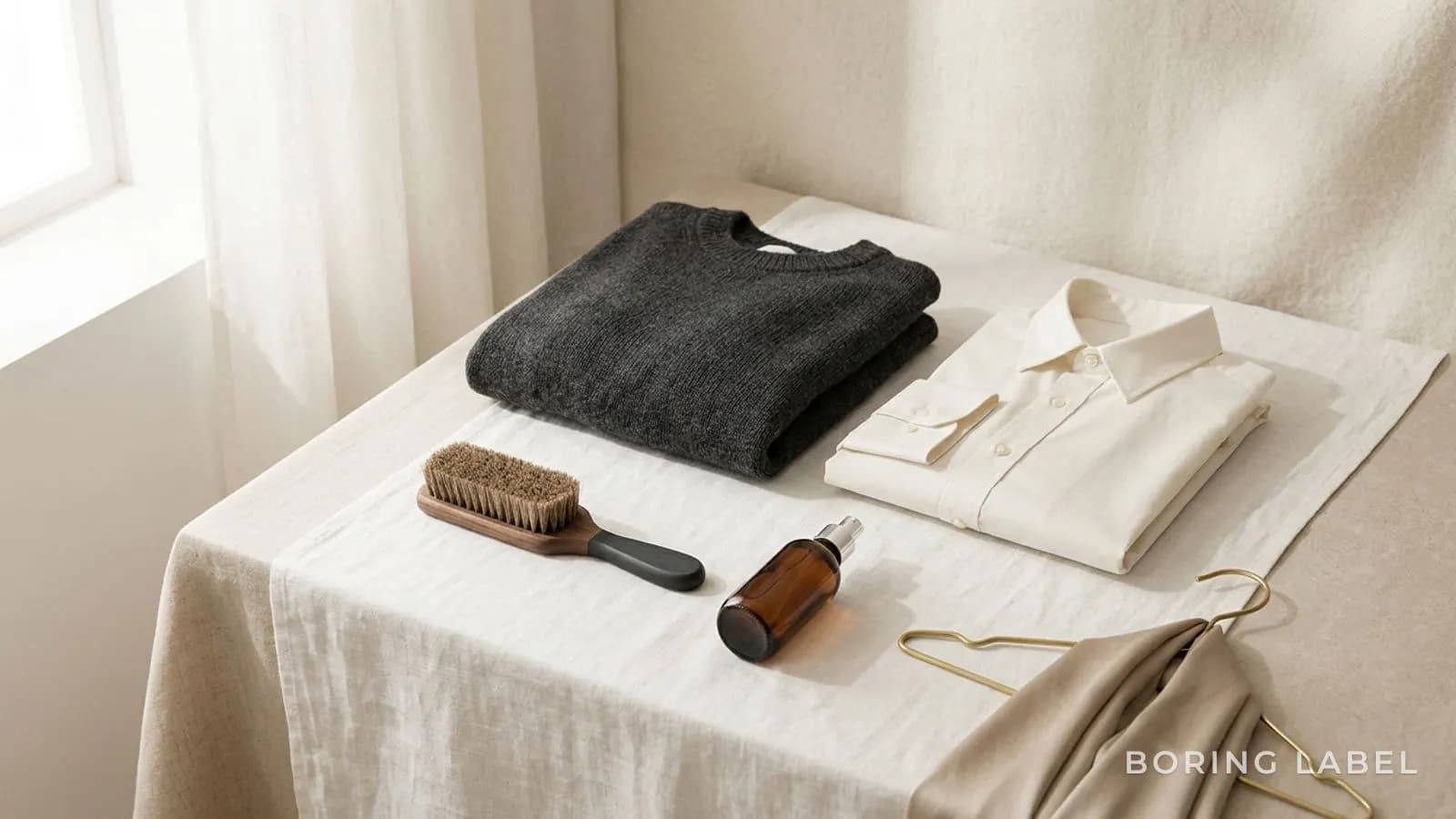
Better is mostly about removing mistakes
The whole industry is built on a single suggestion: buy something new. New tee, new jacket, new shoes, and surely you will look the way the photo promised.
It rarely works, because the thing dragging your outfit down is almost never the absence of a new item. It is a handful of small, fixable errors sitting in the clothes you already own.
This is good news. It means looking noticeably better is a job you can do this weekend, for free, with a wardrobe you already paid for.
The twelve changes below are ordered roughly by impact. None of them ask you to spend money.
A few ask you to throw things away, which is a different and more satisfying kind of action.
We sell t-shirts for a living, so you would expect us to tell you to buy more of them. We are telling you the opposite.
Fix the fit, the colour, and the care of what you have first. If a gap is still there after that, then and only then is it worth filling.
A quick warning before the list: do not try all twelve at once. Pick the two or three that describe your current wardrobe most accurately, do those properly, then come back.
Real change in how you look comes from a few things done well, not a dozen done half-heartedly.
Fix the shoulder seam first
If you only do one thing on this list, do this one. The single most important line on any top is where the shoulder seam sits.
It should land at the edge of your shoulder bone, the corner where the flat top of your shoulder turns and drops into your arm. Not halfway down your bicep.
Not pulled up onto the slope of your neck.
When that seam sits in the right place, everything below it hangs correctly. The sleeve falls straight, the chest sits flat, the body drapes instead of bunching.
When the seam is wrong, no amount of styling rescues the garment, because the foundation is off.
Go to your wardrobe right now and put on five tops. Look only at the shoulder seam in the mirror.
You will find that some land perfectly, some droop two inches down your arm, and some ride up. The ones that droop are the ones making you look smaller, sloppier, and younger than you want.
This is not about size. A shirt can be the correct chest size and still have a badly placed shoulder, because shoulder width and chest width are cut separately.
It is about the cut. Once you know what a correct shoulder looks like on you, you will spot a bad one across a shop floor, and you will stop buying them.
We wrote a full walk-through in the t-shirt fit guide if you want the other checkpoints, but the shoulder is the one that pays off fastest.
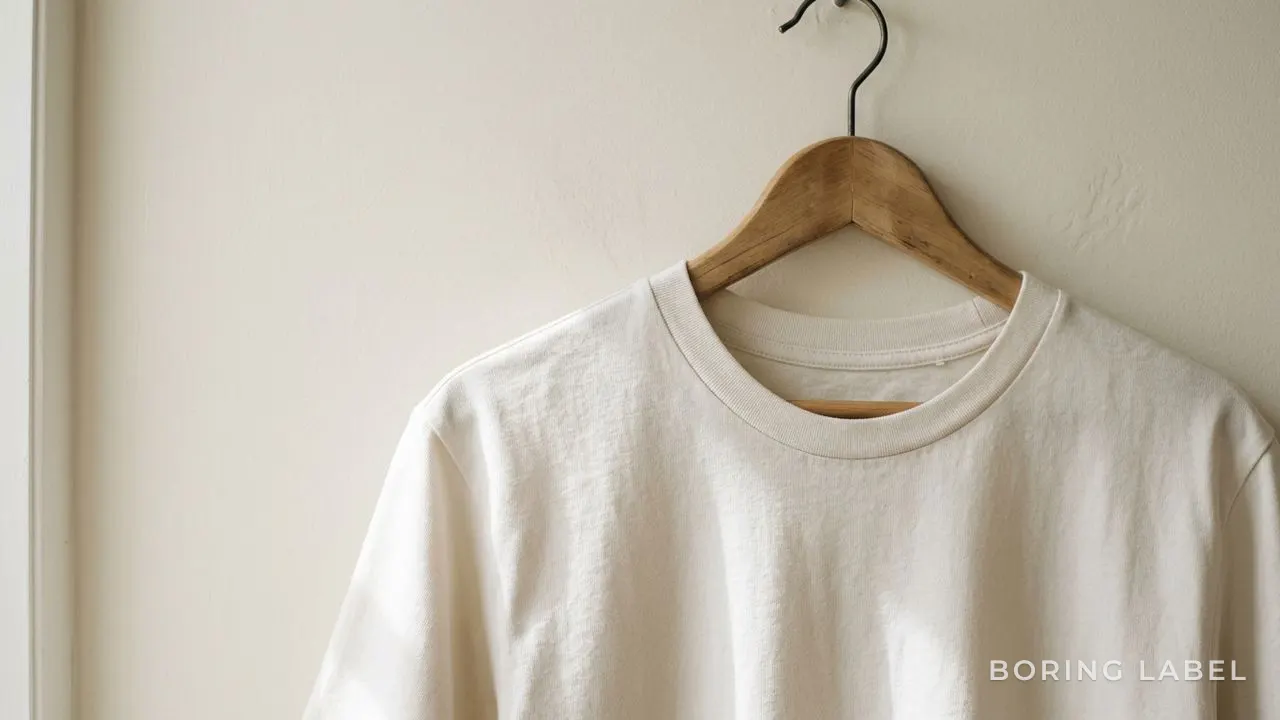
What a wrong shoulder is telling you
- Seam drooping down the arm: the top is too wide or cut for a bigger frame. It will always read as borrowed.
- Seam pulled up toward the neck: the top is too narrow across the shoulders. It will pull and crease when you move.
- Seam sitting right but sleeves too long: salvageable. A tailor can shorten a sleeve cheaply, or you can choose this top only for layering.
Sort your wardrobe by what actually fits
Most people organise their wardrobe by type or by colour. Try organising it once by fit.
Pull everything out and make three piles: fits well, fits badly, in between.
The "fits well" pile is your real wardrobe. It is usually smaller than you expected, often a third of what you own.
The "fits badly" pile is the reason getting dressed feels frustrating: you keep reaching past the good clothes to rediscover, every morning, that the others still do not work.
Here is the move that changes everything. Take the "fits badly" pile out of the cupboard entirely.
Bag it, box it, put it on a high shelf. Do not donate it yet if that feels too final, just remove it from your daily eyeline.
For two weeks you will dress only from the "fits well" pile.
You will look better immediately, because every choice you make is now from clothes that suit you. You will also discover that you do not miss the removed pile at all, which tells you most of it can go for good.
This is the quiet engine behind decluttering your wardrobe: you are not throwing away clothes, you are removing the bad options that were drowning the good ones.
Stop wearing things that are stretched, faded, or pilled
Look closely at the collars of your t-shirts. On a tired tee, the ribbed collar has lost its spring.
It sits wide and wavy instead of hugging the neck. This one detail, more than almost anything else, makes an outfit read as cheap and worn out, even from across a room.
Three forms of wear quietly age every outfit:
| Sign of wear | What it does to the look | Verdict |
|---|---|---|
| Stretched, wavy collar | Reads as old and ill-fitting | Retire it |
| Faded, patchy black or colour | Looks dusty and tired | Retire it or redye |
| Pilled, fuzzy surface | Looks low-quality up close | Defuzz, then assess |
You have been keeping these clothes in rotation because they are "fine" and still technically wearable. They are not fine.
They are the difference between looking put-together and looking like you got dressed in the dark. Retire them from public wear.
They make excellent gym kit or house clothes. If pilling is the issue, a cheap fabric shaver buys most tees a second life, and it is worth understanding why t-shirts pill so you stop buying the ones that do it within a month.
Tuck, or commit to the right length
A tuck is the cheapest styling tool you own, and most people use it badly or not at all. The principle is simple: a defined waist makes you look taller and more deliberate; a top that hangs straight down hides your shape and shortens you.
You do not have to fully tuck. The half-tuck, also called the French tuck, is one corner of the front of your shirt tucked in while the rest hangs free.
It signals intent without looking formal. It works brilliantly with a slightly looser tee over trousers or jeans.
If you hate tucking, then the answer is length. An untucked top should end somewhere around the middle of your fly, no lower.
Anything that reaches your mid-thigh drowns you and makes your legs look short. A top that stops at the right point, worn loose, can look just as sharp as a tuck.
- Full tuck: sharpest, best for higher-waisted trousers and a smart look.
- Half-tuck: relaxed and intentional, the everyday default for most people.
- Untucked, correct length: clean and easy, as long as the hem stops near mid-fly.
- Untucked, too long: the most common mistake, and the one that flattens your whole silhouette.
Sort out your colour palette
Open your cupboard and count the colours. If you see more than five or six, that is probably why so few of your clothes go together.
A wardrobe with too many colours is a wardrobe of orphans: lovely individual pieces that refuse to share an outfit.
The fix costs nothing. Decide on a small core palette and dress from it.
For most people, that is white, black, grey, navy, and one earth tone like olive or beige. Within those, almost everything matches everything, which means almost any combination works.
You do not need to throw out the orange shirt. You just need to recognise that it is a guest, not a resident, and stop building daily outfits around guests.
Spend a week wearing only the core colours and notice how much faster and better your outfits come together. If you want the priority order for building a tee collection that always combines, the essential t-shirt colours lays it out, starting with the colours that do the most work.
Why fewer colours looks richer
It feels backward, but a tighter palette reads as more expensive, not more boring. When colours sit close together, the eye stops getting interrupted and starts noticing texture, fit, and quality instead.
Loud, clashing colour hides good cloth. Quiet, coordinated colour shows it off.
That is the whole logic behind the monochrome outfit, which is just this idea taken to its clean conclusion.
Iron, steam, or at least hang properly
A wrinkled shirt undoes everything else. You can have the perfect fit, the perfect colour, and the perfect tuck, and a creased, crumpled fabric will still make the whole thing look careless.
Crispness reads as effort, and effort reads as respect, for yourself and for whoever you are meeting.
You do not need to become a person who irons every morning. You need to remove the deep creases and the slept-in look.
A handheld steamer is the lazy person's friend here: thirty seconds over a tee while it hangs, and the crumples fall out. No board, no skill, no time.
If even that is too much, fix your storage. Most wrinkles are created in the cupboard, not the wash.
Hang shirts as soon as they dry instead of leaving them folded at the bottom of the basket. Fold knits flat rather than cramming them.
Half the wrinkles in your life come from how you store clothes, not how you wash them.
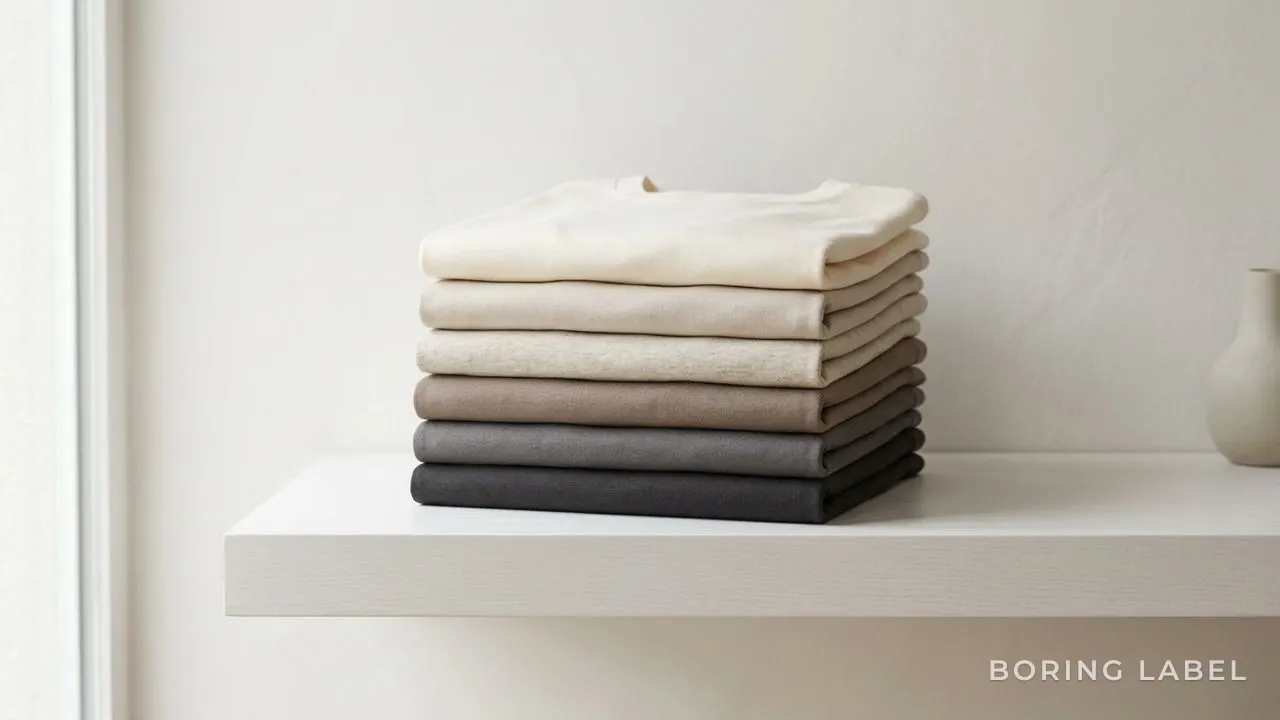
Get the wash right so colours stay deep
Faded black is the quiet killer of a good wardrobe. A black tee that has gone grey-brown looks tired no matter how well it fits.
And the thing is, most of that fading is self-inflicted. Hot water, harsh detergent, and the tumble dryer strip colour out of cotton with brutal efficiency.
The fix is a routine, not a product:
- Wash cold. Hot water is the main culprit for fading and shrinking. Cold cleans normal sweat and wear perfectly well.
- Turn garments inside out. This protects the outer surface from abrasion against the drum, which is what dulls colour and raises pilling.
- Skip the dryer. Heat is the single most destructive force a tee meets. Air-drying alone adds years to a garment's life.
- Use less detergent. More soap does not mean cleaner clothes. It means residue that stiffens fabric and dulls colour.
Do these four things and your blacks stay black, your whites stay white, and your clothes keep the shape and depth they had when new. We go deeper in how to wash t-shirts so they last longer, but those four habits are ninety percent of the result.
This is the rare looking-better tip that also saves you money, because clothes you do not destroy are clothes you do not replace.
Fix your footwear and keep it clean
People look up before they look down, but they judge with both. Scuffed, dirty, broken-down shoes drag an outfit to the floor faster than almost anything, and a clean pair lifts even a plain tee and jeans into something that looks considered.
This is a maintenance problem, not a shopping problem. The shoes you already own probably look worse than they need to.
White sneakers gone grey can be cleaned back close to new with a brush, a little soap, and ten minutes. Leather shoes that look dead come back to life with a wipe and a quick polish.
Laces that have frayed cost almost nothing to replace and instantly freshen the whole shoe.
Match the formality of your shoes to the rest of the outfit and you are most of the way there. Clean white sneakers with everything casual.
A simple leather shoe or boot when you want to look sharper. The specific shoe matters far less than whether it is clean and in good repair.
Mind the small proportions: sleeve, hem, and break
Once the big things are right, a few small lengths separate "fine" from "sharp." These are the details a good tailor obsesses over, and you can spot most of them in a mirror for free.
- Sleeve length on a tee: a short sleeve should end around the middle of your upper arm, not flapping near your elbow. Too long makes the arm look weak and the tee look borrowed.
- Trouser break: the hem of your trousers should rest lightly on your shoes with little or no bunching. A puddle of fabric around the ankle shortens your leg and looks sloppy.
- Jacket and overshirt sleeves: they should stop at the wrist bone, letting a little of whatever is underneath show. Covering your hands ages you a decade.
None of these requires new clothes. Some require a cheap visit to a tailor, which is the highest-return spending in all of menswear and womenswear, far better value than another new top.
A garment that fits your body in these small ways looks more expensive than a pricier garment that does not.
Layer to add depth instead of buying more
A single flat layer, even a perfect one, can look plain. Add one more layer and the same clothes suddenly read as an outfit rather than something thrown on.
An open overshirt over a tee. A crew-neck sweatshirt under a jacket.
A simple piece on top of a simple piece, and the depth does the work.
The trick is that layering multiplies what you already own. Three tops and two overshirts are not five items, they are a dozen combinations.
You are not adding clothes, you are adding outfits, which is exactly what a small wardrobe needs. The same five pieces feel like a much larger wardrobe once you start combining them in twos.
There are only a couple of rules to get right: keep the layers different weights so they sit well together, and keep the lengths sensible so nothing pokes out awkwardly. We lay the whole approach out in layering basics, but you can start tonight by simply putting one thing over another and seeing what happens in the mirror.
Groom the edges: hair, nails, and stubble
Clothes are only half of how put-together you look. The other half is the maintenance around the edges, and it is entirely free.
A great outfit on top of two-weeks-overdue grooming still reads as unkempt, because the eye reads the whole picture, not just the shirt.
The high-impact, zero-cost moves:
- Keep your hairline and neckline tidy. Even between cuts, cleaning up the edges keeps a haircut looking intentional rather than grown-out.
- Keep nails short and clean. People notice hands far more than you think, in meetings, over coffee, everywhere.
- Define your facial hair, or be cleanly shaved. A sharp edge on stubble or a beard signals care; a vague, fuzzy border signals neglect.
- Mind your eyebrows and any stray bits. A small amount of tidying around the edges has an outsized effect.
None of this is vanity. It is the same principle as a clean shoe or a pressed shirt: edges that are looked after make the whole picture read as deliberate.
Effort is the most attractive thing you can wear, and it is free.
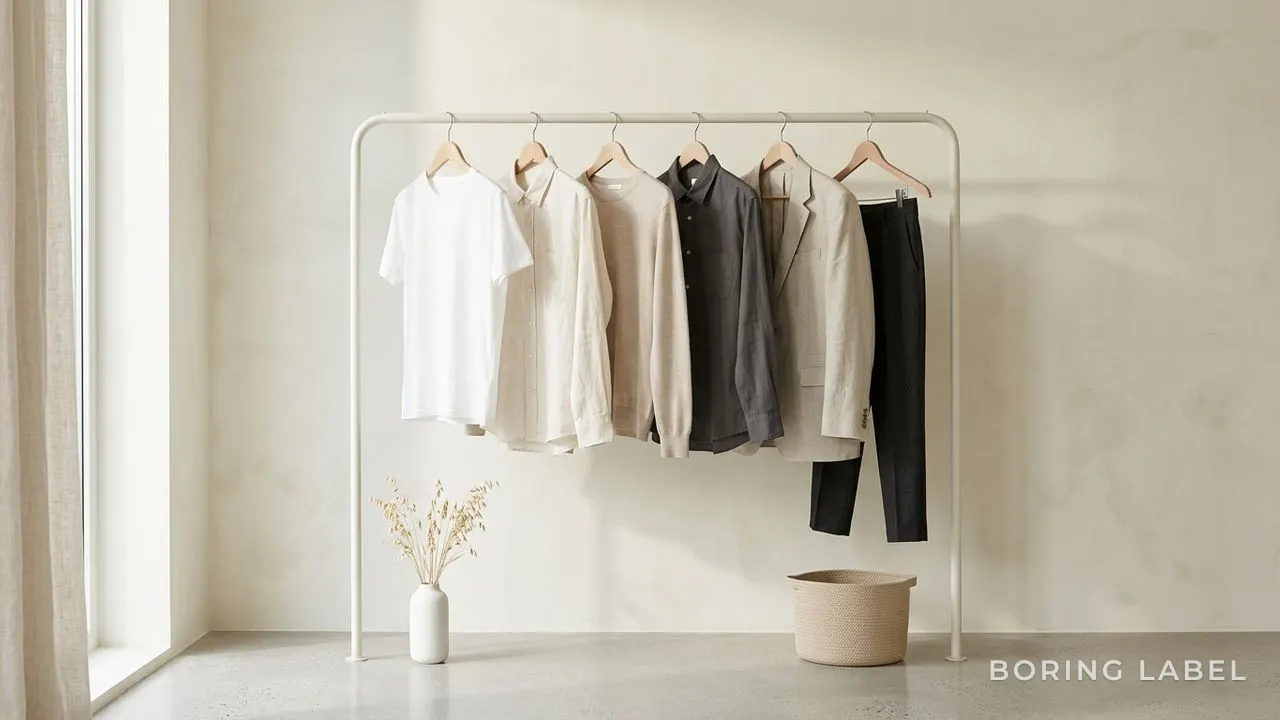
Wear it like you chose it
The last change is the cheapest and, oddly, the most powerful. The same outfit looks completely different on someone who stands up straight and moves with ease than on someone hunched and fidgeting with their clothes.
Posture and ease are part of how you look, and they cost nothing.
Stand tall. Roll your shoulders back and down.
Stop tugging at your hem and adjusting your collar every two minutes, because fiddling broadcasts discomfort, and discomfort is the opposite of looking good. If your clothes fit (and after the steps above, they do), you have no reason to fidget.
Let them sit.
This is the secret that ties the whole list together. People who look effortlessly stylish are not wearing more interesting clothes than you.
They are wearing simple, well-fitting clothes with total ease, as if the decision was made long ago and is no longer interesting. That ease is the look.
You can adopt it today, in clothes you already own.
The takeaway: subtraction beats shopping
Read back over the twelve changes and notice what almost none of them involve: buying anything. You fixed the shoulder, removed the worn-out, tightened the palette, pressed the fabric, washed it right, cleaned your shoes, tidied your edges, and stood up straight.
The wardrobe was always good enough. The problem was the noise sitting on top of it.
This is the opposite of how the industry wants you to think. It would rather you believed that looking better is one purchase away, forever.
It is not. Looking better is mostly a process of subtraction: removing the badly-fitting, the worn-out, the clashing, the careless.
What remains, by itself, looks considered.
Do this honest audit first. Strip your wardrobe down to the things that genuinely fit and suit you, look after them properly, and wear them with ease.
Only after all of that, when you can see a real and specific gap, is it worth buying anything new. And when you do, buy one good thing rather than five cheap ones, because the whole point of this exercise was to escape the cycle of constant replacement, not to feed it.
The best-dressed people you know are not the ones who buy the most. They are the ones who fixed the basics and then stopped fiddling.
Boring Label
Wear the point of the article.
One honest tee. Heavyweight combed cotton, a collar that holds, a fit that actually fits. No logo, no noise.
Shop the round-neck teeFree shipping across India · Easy returns
Keep reading
9 T-Shirt Myths That Cost You Money
A lot of confident t-shirt advice is just wrong. Here are nine myths, debunked.
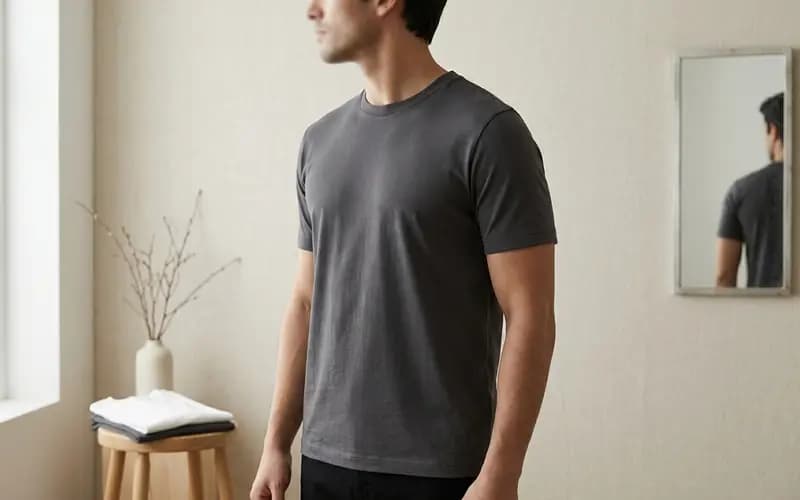
T-Shirt Fit Guide: How a Tee Should Actually Fit
Most tees fail at the shoulder, not the size label. Here is how a t-shirt should actually sit on your body.
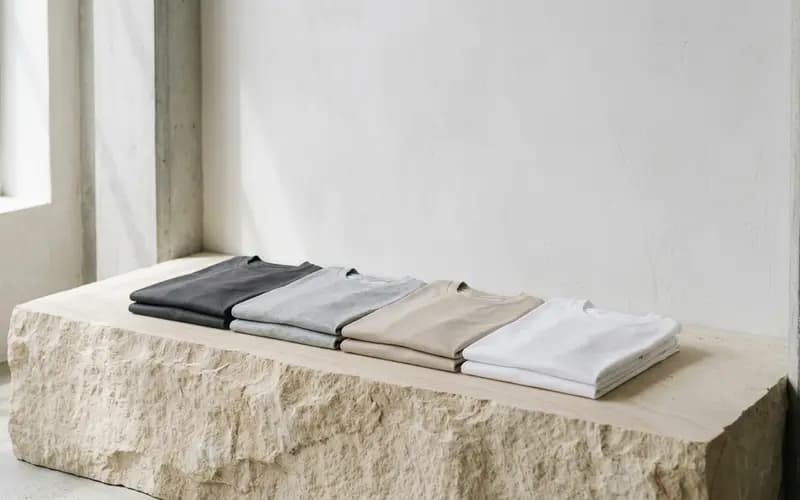
The Essential T-Shirt Colours to Own
Buy these colours in this order and every tee works with everything else you own.
Stay in the loop
New writing, no noise
Occasional notes on fit, fabric, and dressing simply well. No spam, unsubscribe anytime.
Subscribe