Fabric
Bamboo fabric tees: an honest take on the hype
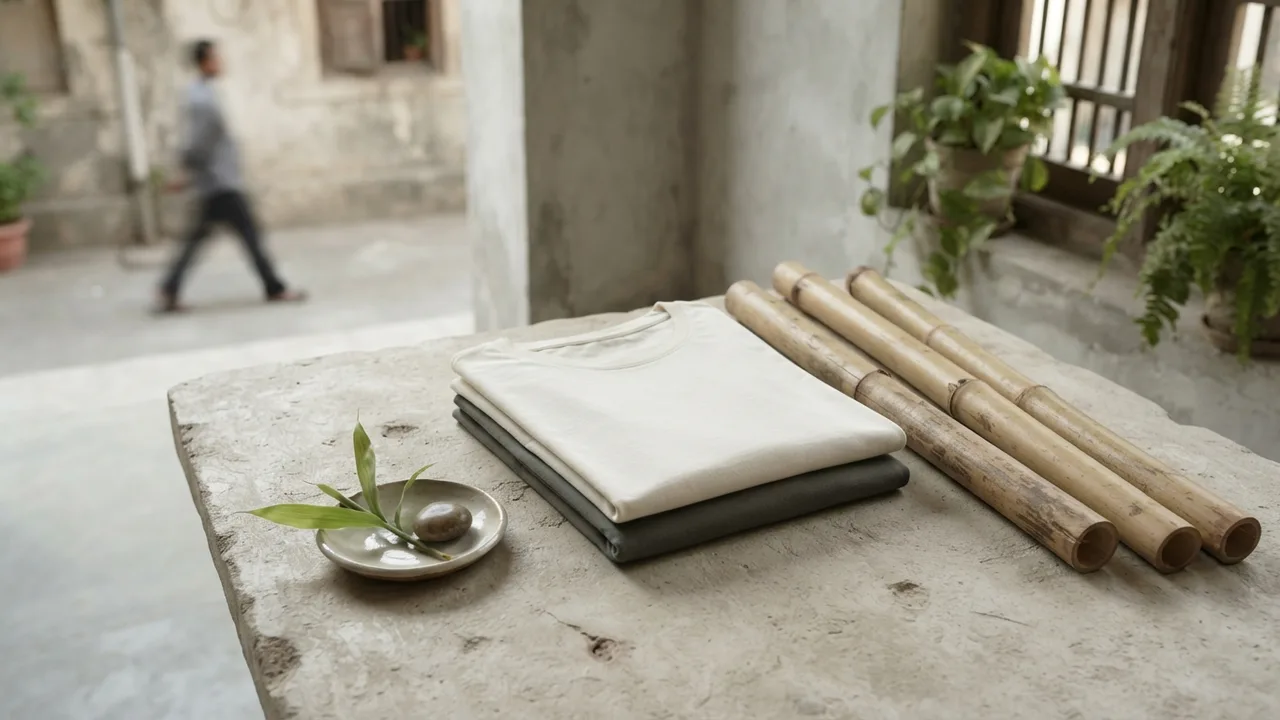
Bamboo t-shirts are mostly viscose rayon once processed. Here is what survives from the original plant and how it stacks up against cotton for daily wear.
Bamboo tees are mostly rayon, and that changes the story
The bamboo t-shirt pitch sounds too good to check. Naturally antibacterial, eco-friendly, silky soft, grown without pesticides.
Most of that marketing describes the bamboo plant, not the fabric in your hands. By the time bamboo becomes fabric, it has almost always been chemically dissolved and regenerated into a fibre called viscose or rayon, and that process erases most of the plant's original properties.
This is not a scam. It is a mislabelling problem that has fooled well-meaning shoppers for over a decade, and it is worth untangling properly before you pay a premium for a tee that is, chemically, closer to modal or standard rayon than to raw bamboo.
How bamboo actually becomes wearable fabric
There are two real paths from bamboo stalk to bamboo fabric, and only one of them is common.
The rare path is mechanical processing, sometimes marketed as "bamboo linen." Bamboo stalks are crushed and combed, similar to how flax becomes linen, without heavy chemical treatment.
This process is labour-intensive, expensive, and produces a coarser, less silky fabric than what most bamboo tees on shelves feel like. Genuine mechanically processed bamboo fabric is rare in mass-market tees because it costs too much to compete.
The dominant path is chemical dissolution, the same basic process used to make rayon from wood pulp. Bamboo pulp is dissolved in a solvent, commonly carbon disulfide in the older viscose process, then extruded through spinnerets to form new fibre strands.
What comes out the other end is viscose rayon. The original bamboo cellulose has been broken down and rebuilt as a new fibre, and almost none of bamboo's natural antimicrobial compounds survive that chemical bath.
What survives the process, honestly
Some benefits do carry through, and it is worth being fair about which ones.
The fibre itself, once spun, does have a genuinely soft, silky hand feel, often compared to a lighter version of modal. That part of the marketing is true.
It also drapes well and has decent moisture-wicking properties compared to standard cotton, similar in behaviour to other regenerated cellulosic fibres. If softness and drape are what you are shopping for, bamboo viscose does deliver.
What does not survive is the antibacterial claim. Independent lab testing, including studies published by the Federal Trade Commission in the United States after multiple bamboo fabric mislabelling cases, found no meaningful antimicrobial benefit in bamboo viscose fabric compared to any other viscose or rayon.
The FTC has fined several companies for exactly this claim, which tells you how widespread the mislabelling has been.
The environmental story is more complicated too
Bamboo as a raw crop is genuinely fast-growing and needs less water and pesticide than cotton per acre, and that part of the pitch holds up well.
The processing step is where the environmental story gets murkier. The traditional viscose process uses carbon disulfide and sodium hydroxide, both of which are hazardous if not properly managed, and older or poorly regulated facilities have a documented history of releasing these chemicals into waterways.
A newer, cleaner process called lyocell processing, used for the fibre branded Tencel, recovers over 99 percent of its solvent in a closed loop and is genuinely far less polluting. Most bamboo fabric labelled simply "bamboo" or "bamboo viscose" is not made this way; the cleaner process is almost always labelled Tencel or lyocell explicitly, regardless of the source fibre.
So the honest environmental read is this: the plant is sustainable, the common processing method is not particularly better than regular viscose, and the label alone will not tell you which process was used.
How bamboo viscose compares to cotton for daily tees
For everyday t-shirt wear in Indian conditions, the practical comparison matters more than the origin story.
| Property | Bamboo viscose | Combed cotton |
|---|---|---|
| Softness out of the pack | ✓ Very soft | ✓ Soft, improves with wash |
| Durability over 50+ washes | ✗ Weaker when wet | ✓ Strong, see our durability test |
| Shrinkage risk | ✗ Higher | ✓ Lower with proper care |
| Genuine antibacterial property | ✗ Marketing myth | ✗ Neither fibre is antibacterial |
| Cost per garment | ✗ Often priced at a premium | ✓ Wide range, better value |
| Wrinkle resistance | ✓ Good | ✗ Wrinkles more, holds shape better |
The durability gap is the one that matters most for anyone building a wardrobe meant to last. Regenerated cellulosic fibres like viscose lose a meaningful amount of tensile strength when wet, which is exactly the state your tee is in during every wash cycle.
Cotton, particularly the kind detailed in our combed vs carded cotton guide, holds its strength wet far better, which is why a well-made cotton tee at the right GSM tends to outlast a bamboo viscose one across the same number of washes.
When bamboo viscose is genuinely the right choice
None of this means skip bamboo fabric outright. It has a real place, just not the place the marketing usually claims.
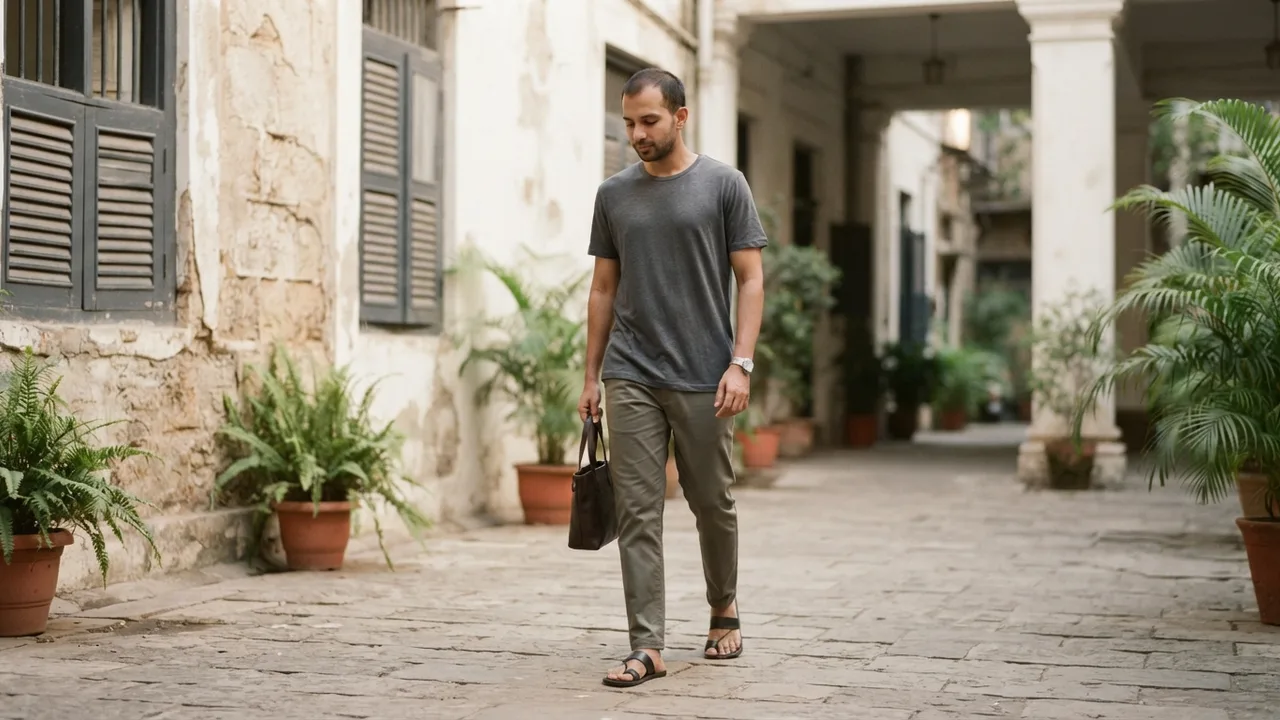
If you want a silky, fluid drape for a going-out shirt or a light layering piece, bamboo viscose delivers that texture better than most cotton weaves can. It is also a reasonable choice for people who find pure cotton slightly stiff and want something with more give.
Just do not buy it expecting antibacterial powers or expecting it to outlast a well-made cotton tee across years of washing. Treat it as a specialty fabric for specific garments, not a wholesale cotton replacement for your daily basics.
How to read the label so you are not misled
A few practical checks before buying.
Look for the actual fibre content on the care label, not the marketing copy on the hangtag. If it says "rayon from bamboo" or "viscose from bamboo," that is the honest, legally accurate description, and it tells you exactly what you are getting.
If the label just says "bamboo" with no fibre category, ask the retailer directly what the fibre content certificate says. Reputable brands will have this on file.
Watch for the word "linen" paired with bamboo. Genuine mechanically processed bamboo linen is rare and usually priced accordingly; if a ₹600 tee claims to be bamboo linen, it almost certainly is not. For a broader primer on decoding fabric labels and spotting inflated claims, our label jargon guide is a useful companion read.
How bamboo compares to other regenerated fibres
Bamboo viscose is not the only fabric made this way, and comparing it to its close cousins clarifies what you are actually paying for.
Standard viscose or rayon, often made from wood pulp rather than bamboo, goes through nearly the same chemical dissolution process. Chemically, generic wood-pulp viscose and bamboo viscose end up remarkably similar once processed, which is part of why the antibacterial claim does not hold up under testing.
Modal, covered in detail in our modal vs cotton vs poly blend guide, is a more refined version of the same regenerated cellulose process, typically made from beech tree pulp, and tends to have better wet strength and less shrinkage than standard viscose or bamboo viscose.
Lyocell or Tencel uses the closed-loop solvent recovery process mentioned earlier, and is the genuinely more sustainable option among regenerated cellulosics, regardless of the source plant. If sustainability is your main reason for considering bamboo fabric, a garment labelled Tencel or lyocell is a more reliable choice than one simply labelled bamboo.
Knowing this hierarchy helps when you are comparing two silky-feeling shirts on a rack and trying to figure out which one is actually the better long-term buy.
Price expectations and where the premium comes from
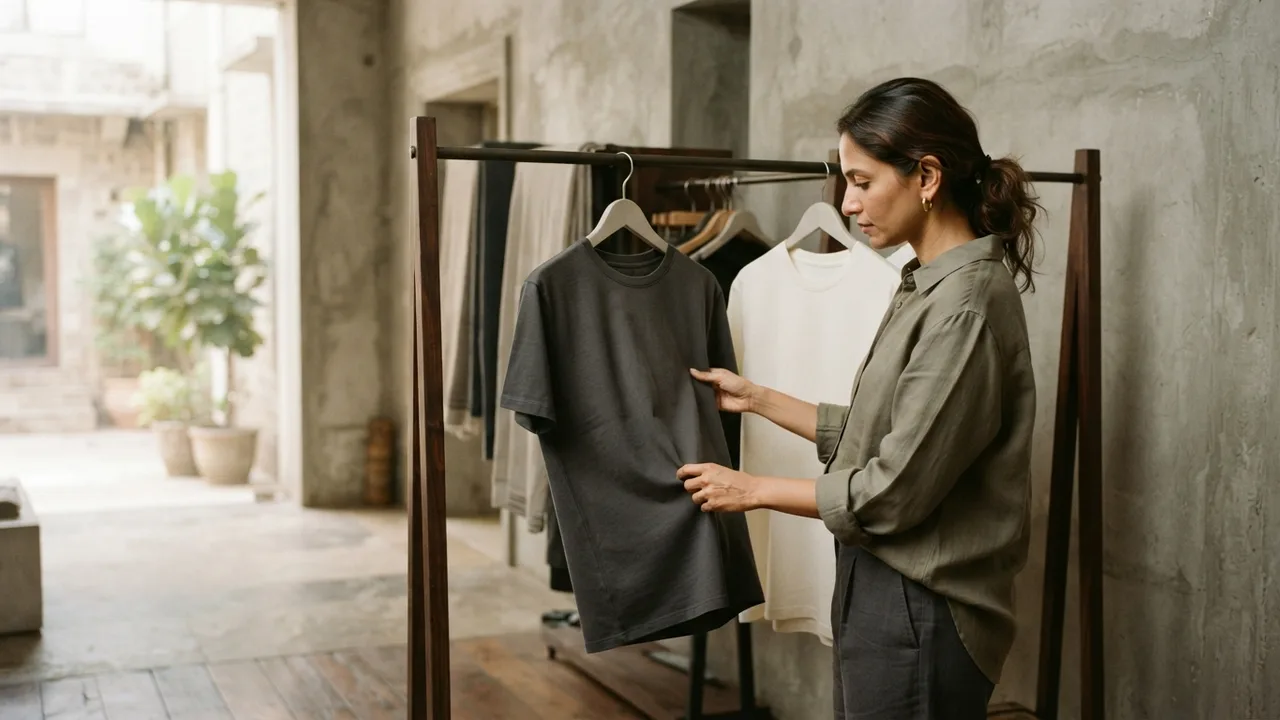
Bamboo viscose tees in Indian retail typically sit in the ₹700 to ₹1,500 range, occasionally higher when marketed heavily around sustainability claims.
Some of that premium is legitimate, tied to slightly higher raw material sourcing costs and more complex processing than basic cotton. Some of it is pure marketing markup riding on the eco-friendly halo the bamboo plant carries, regardless of how it was actually processed into fabric.
A useful gut check: if a bamboo tee costs meaningfully more than a well-made combed cotton tee of similar weight and construction, ask what specifically justifies the gap. If the answer is softness and drape alone, that is a legitimate reason to pay more if those properties matter to you personally. If the answer leans on antibacterial or superior durability claims, treat those specific claims with real skepticism given what the evidence actually shows.
Quick answers to common bamboo fabric questions
Is bamboo fabric actually antibacterial? No, not in any way that survives lab testing once the bamboo has been chemically processed into viscose, despite widespread marketing claims to the contrary.
Is bamboo fabric more eco-friendly than cotton? The raw crop is genuinely low-impact, but the common viscose processing method offsets much of that advantage unless the garment is specifically labelled Tencel or lyocell.
Does bamboo viscose shrink more than cotton? Generally yes, since regenerated cellulosic fibres tend to shrink and lose strength more than well-constructed cotton when washed and dried incorrectly.
What to check before buying your next bamboo tee
A short checklist makes the buying decision faster the next time you are standing in front of a rack of soft, drapey tees claiming bamboo origins.
Check the actual fibre content line on the care label first, since that legal disclosure is more reliable than any hangtag copy. Confirm whether it says viscose, rayon, or lyocell, and treat each differently based on what you now know about processing.
Feel the fabric weight against a comparable cotton tee. If the bamboo option feels noticeably thinner for a similar price, factor that into whether the premium is justified for your specific use case.
Ask the retailer, if buying in person, whether they can confirm the processing method, particularly for anything priced high enough to be marketed as premium sustainable bamboo. A brand confident in its sourcing will usually have an answer ready.
The bottom line
Bamboo t-shirts are, in nearly every case sold today, viscose rayon made from bamboo pulp, not a raw natural fibre with special antibacterial powers. The softness and drape claims are real; the antimicrobial and superior-durability claims mostly are not.
If you like the hand feel, buy it for that reason and treat it as one texture option among several, not an upgrade over well-made cotton. For daily-driver tees that need to survive frequent washing and hold their shape over years, a properly constructed cotton tee, built at the right weight and finished the way our quality standards describe, remains the more dependable choice.
Buy bamboo for how it feels on your skin today. Buy cotton for how your tee will still feel two years from now.
Boring Label
Wear the point of the article.
One honest tee. Heavyweight combed cotton, a collar that holds, a fit that actually fits. No logo, no noise.
Shop the round-neck teeFree shipping across India · Easy returns
Keep reading
Modal vs Cotton vs Poly-Blend: T-Shirt Fabrics
Feel, breathability, sweat, odour, durability and cost - the honest, India-first guide to choosing a t-shirt fabric.
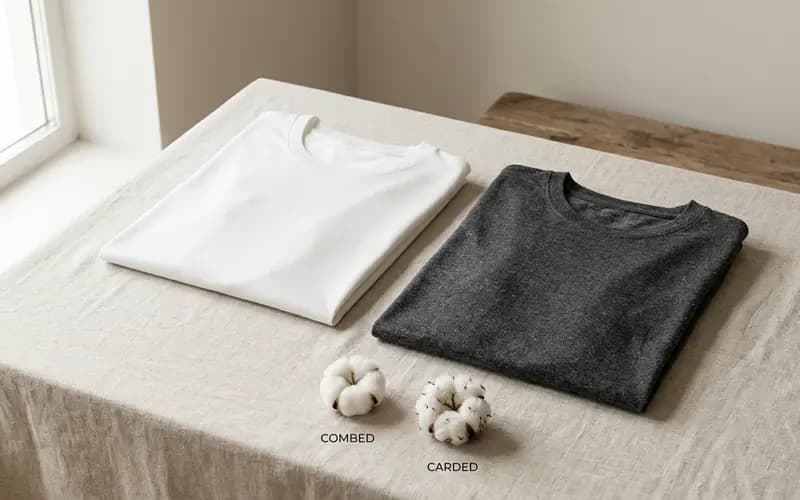
Combed Cotton vs Carded: Why It Matters
One extra step removes the short fibres that make a tee fuzz, pill, and weaken. That step is combing.
T-Shirt Label Jargon Decoded: What Actually Matters
What pre-shrunk, bio-washed, GSM, single jersey and ring-spun really mean - and which terms are quality signals versus marketing.
Stay in the loop
New writing, no noise
Occasional notes on fit, fabric, and dressing simply well. No spam, unsubscribe anytime.
Subscribe