Seasonal
Monsoon Clothing in India
The monsoon punishes the wrong fabrics. Dress for fast-drying and you stay comfortable through it.
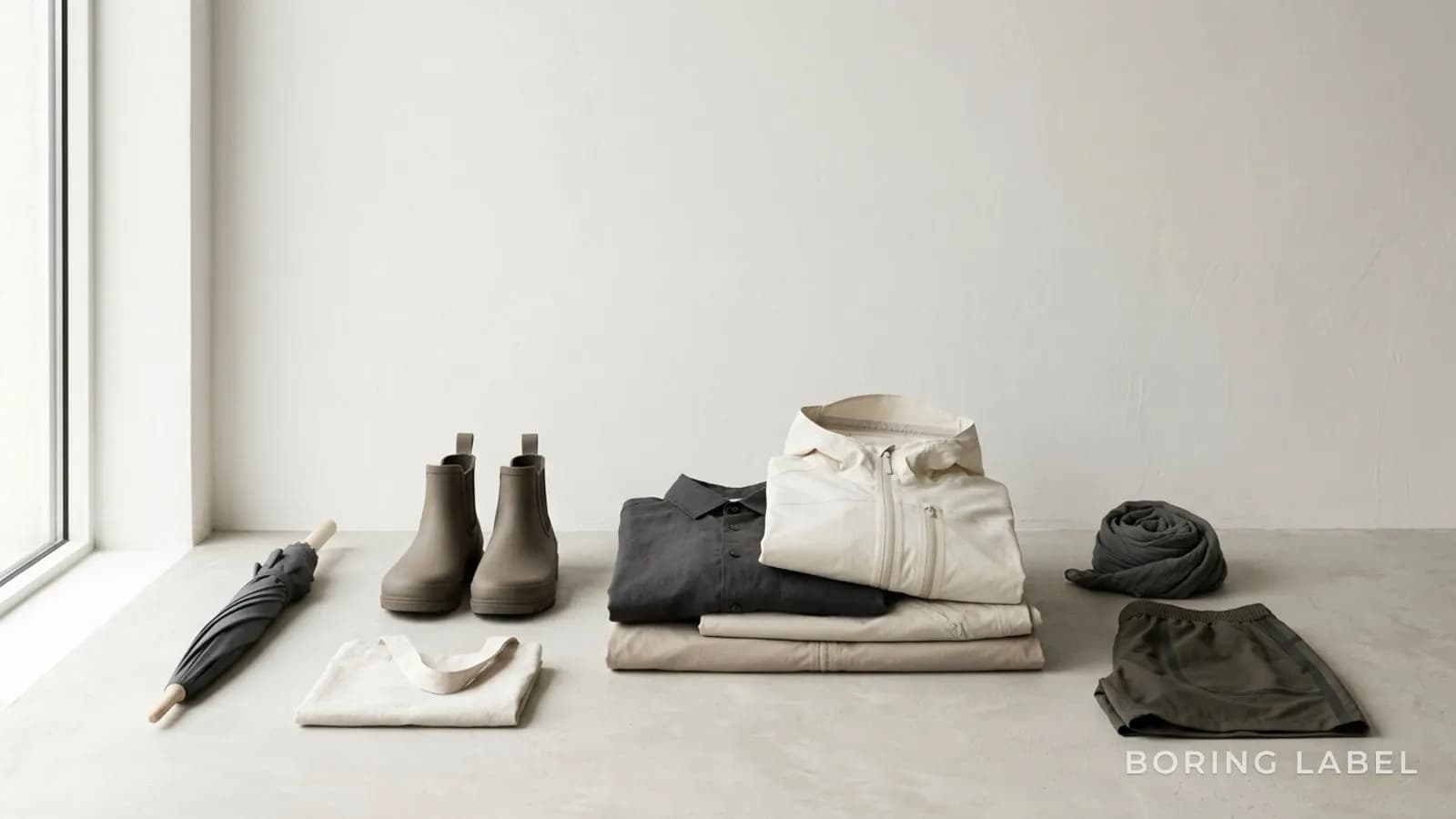
The monsoon is a fabric problem, not a fashion problem
Most people treat the rains as a styling challenge - what colour, what jacket, what shoes. That is the wrong end of the telescope.
The monsoon is, first and last, a fabric problem. The air carries 80 to 95 percent humidity for weeks.
Your clothes get damp, stay damp, and then have to dry in air that is already saturated. A garment that handles that gracefully will feel fine in July.
One that does not will feel clammy by 10am and smell of mildew by the weekend, no matter how good it looks on a hanger.
So before we talk about what to wear, we have to talk about what your clothes are actually doing in that weather. Two things matter more than anything else: how fast a fabric releases water, and how little water it holds in the first place.
Get those two right and the rest of monsoon dressing - colour, fit, layers - becomes easy. Get them wrong and you will spend three months mildly uncomfortable and quietly annoyed.
This guide is built around that single idea. We will rank fabrics by how they behave when wet, give you a fit-and-colour logic that survives splashes and sweat, and end with a short, honest packing list for the season.
Where it helps, we have linked to our deeper pieces on breathable summer fabrics and summer t-shirts for Indian heat, because the monsoon sits right on top of the hot season and most of the same rules carry over with a twist.
What actually happens to a fabric in monsoon air
A dry fabric in dry air is simple. Add humidity and two new forces show up.
The first is absorption. Every fibre holds some moisture even before a drop of rain touches it.
Cotton can hold a surprising amount of water as vapour without feeling wet to the touch - that is part of why it feels cool and comfortable in dry heat. In the monsoon that same property turns into a liability.
The cotton soaks up ambient humidity, then your sweat, then any splash, and it has nowhere to dump that water because the surrounding air is already full.
The second is drying rate, also called wicking and evaporation. This is how quickly a wet fabric moves water to its surface and lets it evaporate.
Synthetics like polyester barely absorb water into the fibre at all; the moisture sits on the surface and the threads, so it evaporates fast. That is why a gym t-shirt dries on the line in an hour and a thick cotton tee takes most of a day.
Put those together and you get the core monsoon trade-off. Natural fibres feel nicer dry but recover slowly when wet. Synthetics feel less luxurious but bounce back fast. The best monsoon wardrobe is not all of one or the other.
It is a deliberate mix, chosen by what each garment has to survive.
There is a third factor people forget: weave and weight. A loose, light weave dries faster than a dense, heavy one made of the same fibre, because air moves through it.
This is where GSM comes in. A 240 GSM cotton tee and a 150 GSM cotton tee are the same material, but the lighter one dries roughly twice as fast and clings far less.
For a full breakdown of why that number matters, our GSM guide goes deep, but the monsoon takeaway is short: go lighter than you would in winter, by a clear margin.
Ranking fabrics for the rains
Here is how the common options actually behave when the air is wet and you are caught in a drizzle on the way to the metro. We have rated each on the things that matter in July, not on how it photographs.
| Fabric | Dries when wet | Holds odour | Feels good on skin | Monsoon verdict |
|---|---|---|---|---|
| Light cotton (knit, 150-180 GSM) | Slow | Low | Excellent | Good for dry-spell days, risky in heavy rain |
| Heavy cotton (220 GSM plus) | Very slow | Low | Excellent | Avoid - stays damp for hours |
| Linen | Fast | Low | Excellent (textured) | Excellent - the classic monsoon natural fibre |
| Polyester | Very fast | High | Average | Useful for commute layers, not all-day wear |
| Nylon | Very fast | High | Poor next to skin | Outer shells and bags, not base layers |
| Modal / rayon | Medium | Medium | Excellent (silky) | Good blended in, weak alone when soaked |
| Cotton-poly blend (60/40) | Fast | Medium | Very good | The quiet workhorse of monsoon dressing |
A few notes on this table, because the ranking hides some nuance.
Linen is the obvious hero and deserves its reputation. Its fibres are hollow and stiff, so the weave stays open and air keeps moving even when the cloth is heavy with water.
It also looks meant to be rumpled, which is a gift in a season where nothing stays crisp. The catch is that good linen is not cheap and it creases like it is being paid to.
If you can live with the wrinkles, it is the most pleasant natural fibre to wear in the rain.
Polyester is the fabric people love to hate, and for everyday wear in the heat they are mostly right - it can feel plasticky and it traps body odour because bacteria love its surface. But in the monsoon its one real talent, fast drying, becomes genuinely valuable.
The smart move is not to wear it head to toe, but to use it where speed matters most: a commute layer you can shrug off at your desk, or a blend.
That blend line is the one to underline. A 60/40 cotton-poly tee gives you most of cotton's comfort with a big chunk of polyester's drying speed.
It is not glamorous and it is rarely talked about, but for the daily grind of a monsoon - office, metro, sudden shower, dry again by lunch - it quietly outperforms both pure options. If you only change one thing about your rainy-season tees, move toward lighter blends.
The fit rules that survive a wet day
Fabric decides how a garment behaves. Fit decides whether you can stand it once it gets damp.
Wet cloth clings, and clinging is uncomfortable and unflattering in equal measure. Three fit rules fix most of it.
Leave the body some air
A tee or shirt that skims the body rather than gripping it will cling far less when damp, because there is a layer of air between cloth and skin doing the drying. This does not mean baggy.
It means a relaxed regular fit rather than a slim one. If you are between sizes in the monsoon, size up, not down.
The same logic applies to trousers: a slightly looser leg dries faster and flaps free of your calves instead of pasting itself to them.
Shorter beats longer
Less fabric means less to get wet and less to dry. A shorter sleeve, a hem that ends at the wrist rather than past it, trousers that break cleanly above the shoe rather than pooling over it - all of these keep you drier simply by giving the rain less to land on.
Cropped and ankle-length trousers are not just a look in the monsoon; they are a practical choice that keeps your hems out of the puddles.
Mind the parts that touch the ground
Long hems, wide cuffs and floor-length anything will wick water up from the pavement like a candle wick. Roll cuffs, choose hems that sit above the splash zone, and accept that this is not the season for sweeping silhouettes.
The people who look composed in the rain are usually the ones wearing slightly shorter, slightly looser clothes than everyone else.
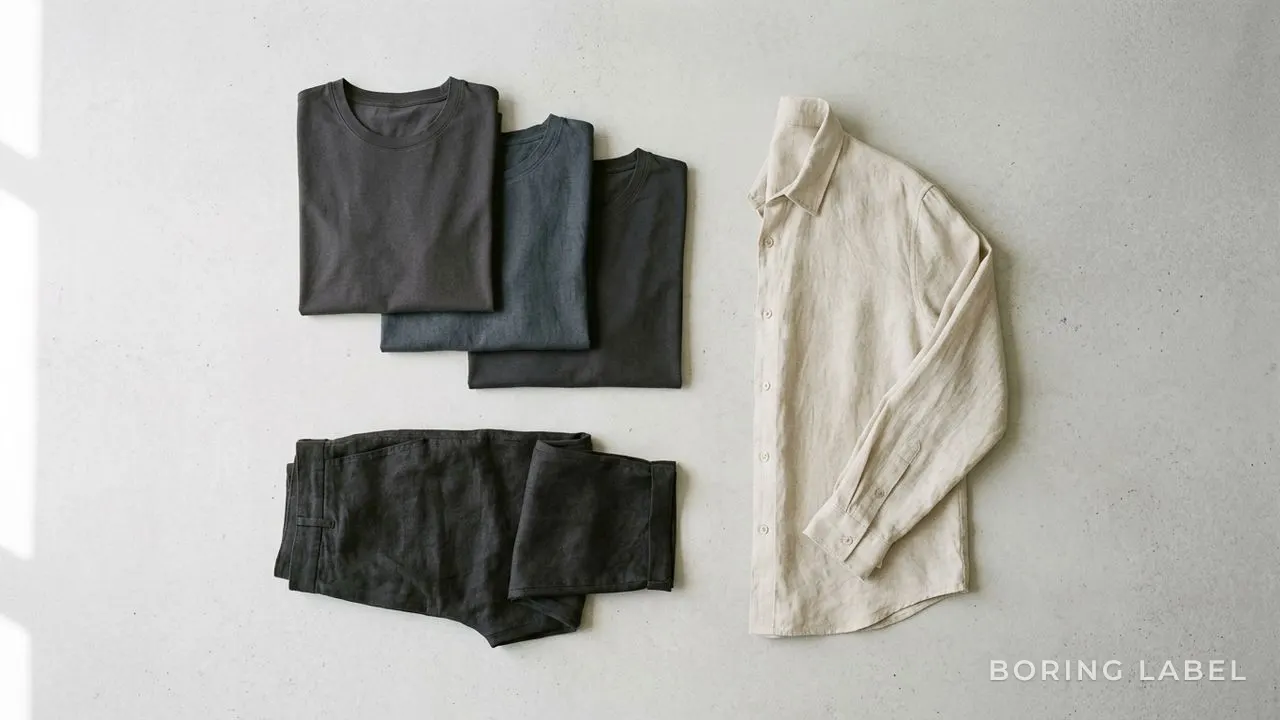
Colour: the quiet thing nobody plans for
Colour in the monsoon is doing two jobs at once, and most people only think about the first.
The obvious job is hiding water and mud. Mid-tones and muddy darks - olive, charcoal, navy, slate, deep brown - hide the inevitable splash from the road far better than pale anything.
A white tee in the monsoon is a brave choice; it shows every drop, and worse, it goes translucent when soaked. If you love white, save it for dry-spell days and keep a darker layer in your bag.
The job people miss is transparency when wet. Light fabrics go see-through when they are soaked, and the lighter the colour, the more obvious it is.
This is the real argument against pale clothes in heavy rain, beyond the dirt. A medium-to-dark tee in a slightly heavier knit stays opaque even when drenched, which matters a great deal more than which exact shade you picked.
There is a third trap: grey and sweat. Heather grey is the casual go-to and the single worst colour for visible sweat patches, which the humidity guarantees.
In the monsoon, dark tones and true white hide sweat; everything in between, grey most of all, broadcasts it.
For a season-proof palette, lean on a tight set of darker neutrals that all work together. If you want the full logic of which colours earn their place in a wardrobe and in what order, our piece on essential t-shirt colours lays it out, but for the rains specifically, prioritise in roughly this order:
- Charcoal or dark grey - hides everything, never looks wrong
- Navy - the formal-friendly dark that pairs with denim and chinos alike
- Olive or deep khaki - reads casual, hides mud, distinctly monsoon
- Black - sharp and hides both mud and sweat, the safest single choice
- A single mid-tone - a slate blue or muted rust to stop everything looking like a uniform
White and pale pastels come last, not because they are bad, but because they are working against the weather rather than with it.
Building the actual monsoon outfit
Now we can put it together. The monsoon outfit is a small system: a base you can sweat in, a layer you can shed when it dries, and accessories that take the abuse so your clothes do not.
The base layer
This is the garment against your skin all day, so comfort wins here. A light, relaxed-fit tee in a cotton-rich blend, mid-to-dark in colour, is the backbone.
It should be light enough to dry through by itself, loose enough not to cling, and dark enough not to embarrass you when a bus drives through a puddle. A well-made round-neck tee in a lighter weight does exactly this job, which is partly why we made it the weight we did - heavy enough to last, light enough to breathe through a wet July.
The shed-able layer
Over that, carry something you can take off the moment you are indoors and dry. An unlined overshirt, a light linen shirt worn open, or a thin technical layer for the commute.
The point is that it does the wet work - the walk to the station, the dash from the auto - and then comes off, leaving your dry base layer to carry the rest of the day. Our guide to layering basics covers how to make these pieces work together rather than just piling on; in the monsoon the same skill is about removing layers cleanly, not adding them.
The things that take the punishment
Shoes, bag and the outer shell. These get soaked so your clothes do not have to.
Quick-dry footwear or sandals beat leather shoes that take days to recover and crack when they do. A water-resistant bag, or at least a dry pouch inside it for your phone and wallet, saves you more grief than any clothing choice.
And one genuinely waterproof outer - a packable shell, not a fashion raincoat that leaks at the seams - earns its space in your bag every single day of the season.
A short, honest monsoon packing list
If you were building a monsoon wardrobe from a clean slate, you would not need much. The season rewards a small, well-chosen set far more than a big one, because everything has to dry between wears and a bloated wardrobe just means more damp cloth hanging around.
Here is a sane core.
- Four to five light tees in mid-to-dark neutrals, cotton-rich blends, relaxed fit. Enough to rotate while others dry.
- Two overshirts or light shirts, one linen, one blend, to layer and shed.
- Two pairs of quick-drying trousers, cropped or ankle-length, in dark or muddy tones. Skip pale chinos until autumn.
- One genuinely waterproof shell, packable, seam-sealed if you can find it.
- One pair of quick-dry shoes or good sandals, plus a backup so you are never putting on wet shoes.
- A dry pouch for electronics, and a microfibre towel that lives in your bag.
That is a complete monsoon kit. Notice how much of it is about drying and protection rather than appearance.
That is the right ratio. The monsoon is not the season to express yourself through clothes; it is the season to dress so cleverly that you can forget about the weather and get on with your day.
Caring for clothes through the wet months
The monsoon is hard on clothes even when you are not wearing them, and a small care routine saves you from the cupboard smell that quietly ruins a whole wardrobe by August.
Never store anything even slightly damp. This is the cardinal rule. A tee that feels almost dry when you fold it will breed mildew in a closed humid cupboard within days, and that smell survives washing.
When in doubt, hang it longer.
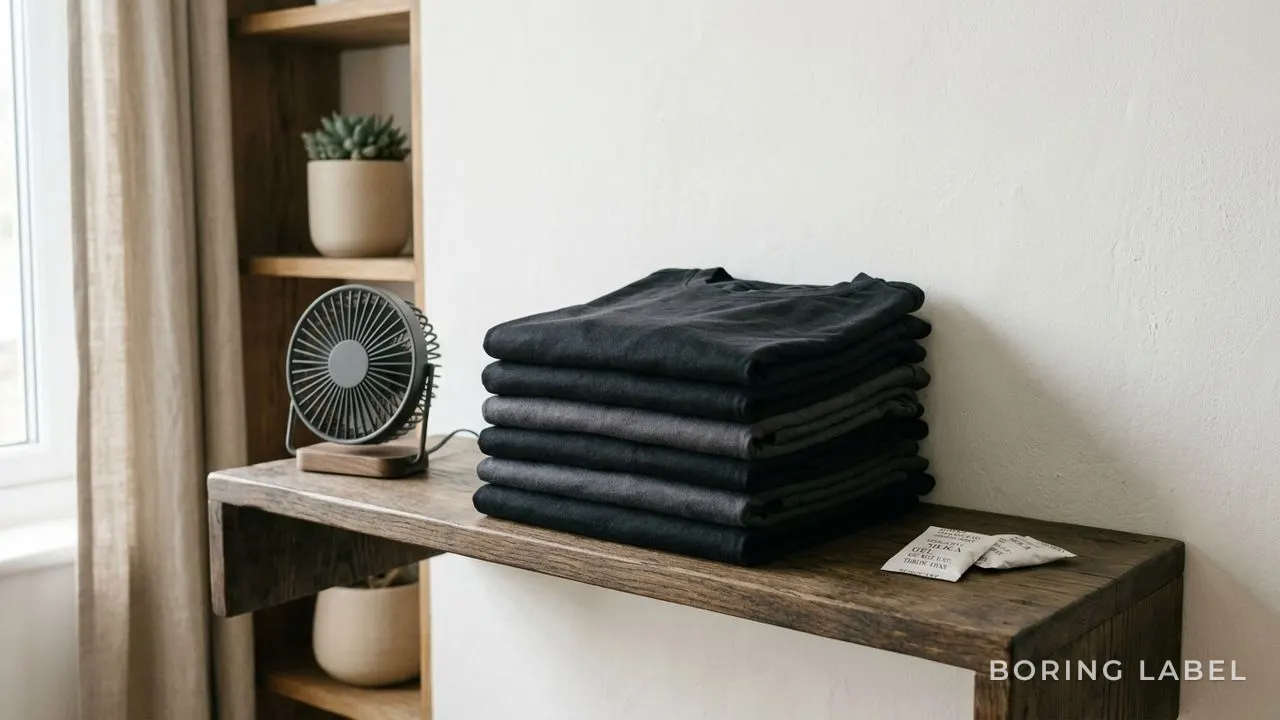
Dry with airflow, not just warmth. With no sun for days, you are drying indoors, and a fan pointed at spaced-out, inside-out garments dries them far faster than a warm closed room, which just steams them.
Wash more often, not less, but wash gently. Humidity means sweat and oils sit in fabric and turn faster, so the wear-it-again logic of cooler months works against you. The fix is frequent but gentle washing - cold water, short cycle - and the full routine lives in how to wash t-shirts so they last longer.
A few silica gel packs in the cupboard finish the job by keeping the closed space dry between wears.
The takeaway: dress for the air, not the outfit
The mistake almost everyone makes in the rains is dressing for how a garment looks dry and hoping it survives wet. The people who stay comfortable do the opposite.
They start from the question no one else asks - what does this fabric do when it is soaked and the air is full of water? - and let the answer pick the cloth, the weight, the colour and the fit.
Do that, and monsoon dressing stops being a daily fight. Light blends over heavy cotton.
Relaxed over slim. Dark over pale.
Shorter over longer. Layers you can shed over a single thing that traps the damp.
None of it is complicated, and none of it requires a wardrobe full of special rain clothes. It just requires thinking about the air first.
The brands and the magazines will try to sell you monsoon collections every June. Ignore most of it.
A handful of light, dark, well-made basics that dry fast will carry you through the season better than any seasonal capsule, and they will still be working for you in the dry months on either side. That is the whole point of buying well in the first place: clothes that do not need a season of their own.
Boring Label
Wear the point of the article.
One honest tee. Heavyweight combed cotton, a collar that holds, a fit that actually fits. No logo, no noise.
Shop the round-neck teeFree shipping across India · Easy returns
Keep reading
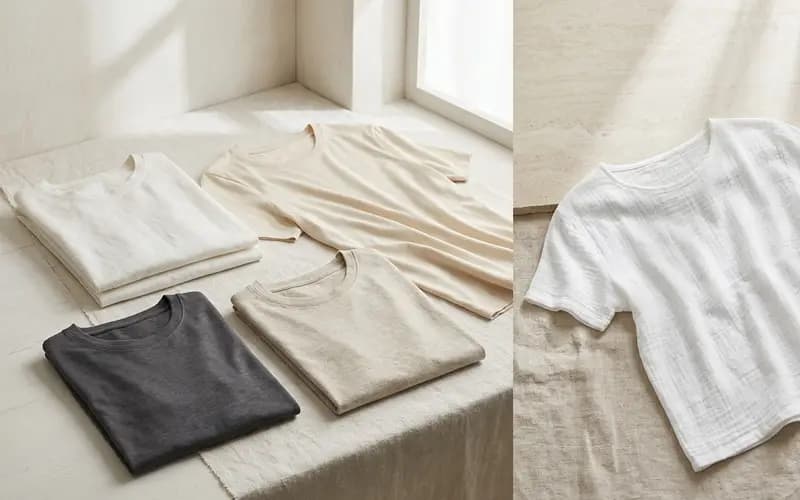
Best Summer T-Shirts for Indian Heat
Indian summer is a stress test for a tee. These fabrics, fits, and colours pass it.
Most Breathable Fabric for Summer (India Guide)
Breathability is not just the fibre. Weave, weight, and finish decide whether a tee cools you or clings.
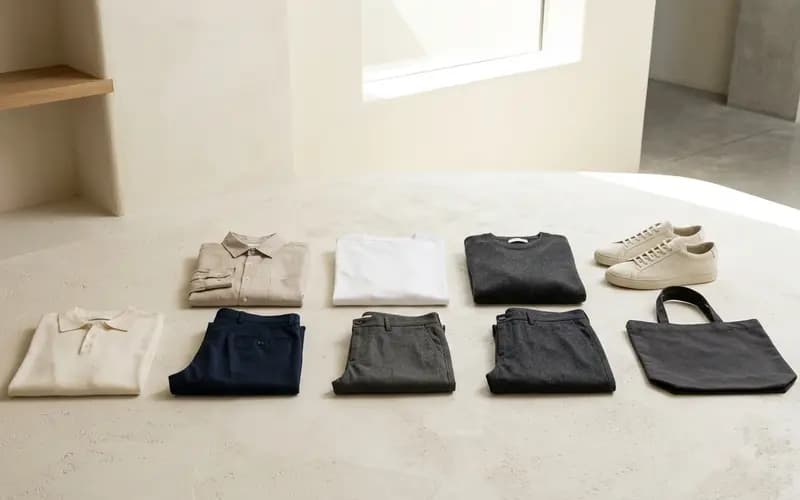
Smart Casual Basics Every Wardrobe Needs
Smart casual confuses people because nobody defines it. Here is the basics list that nails it.
Stay in the loop
New writing, no noise
Occasional notes on fit, fabric, and dressing simply well. No spam, unsubscribe anytime.
Subscribe