Seasonal
The Best Summer T-Shirts
Indian summer is a stress test for a tee. These fabrics, fits, and colours pass it.
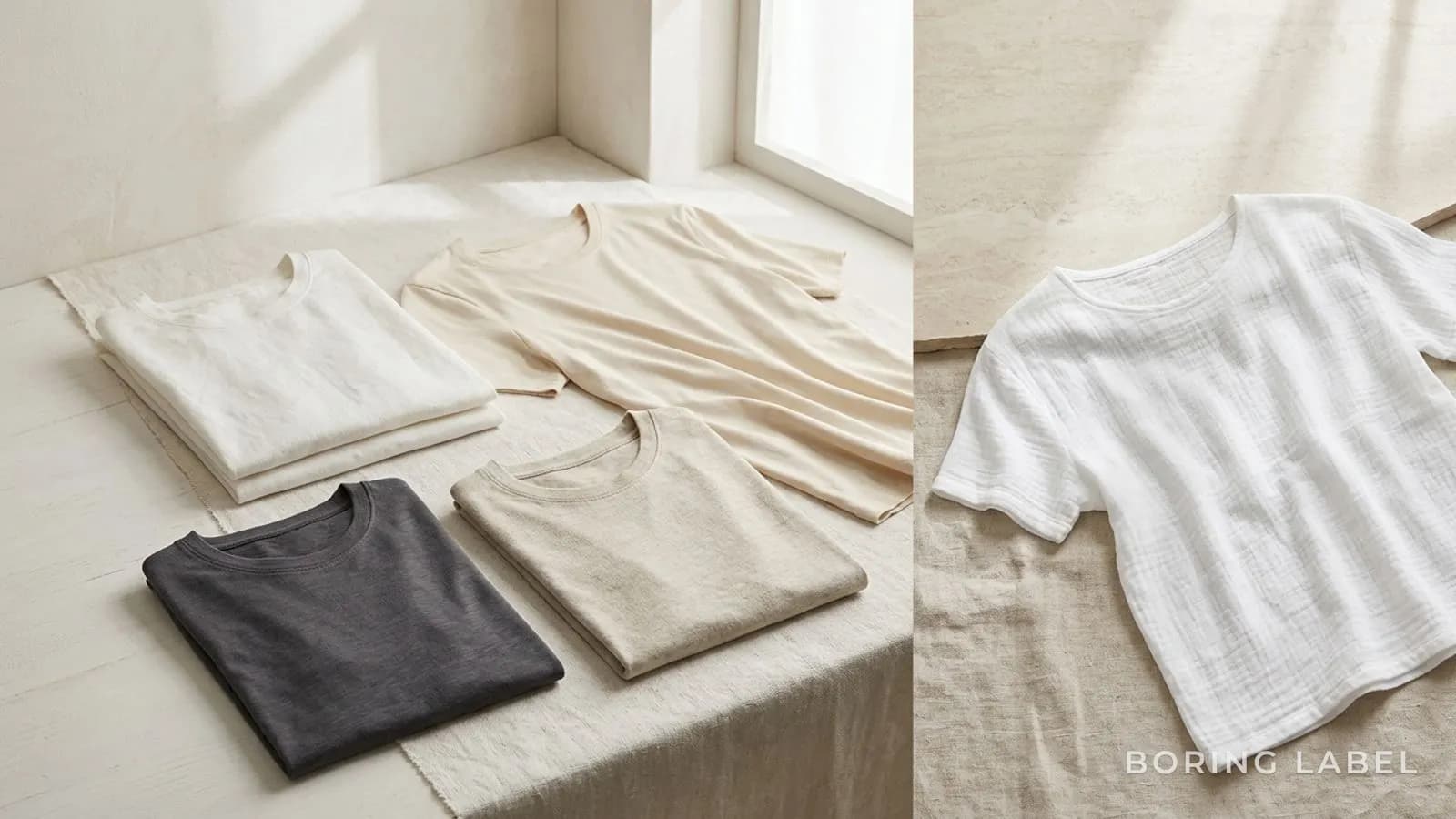
Indian summer is a stress test, and most tees fail it
There is a particular kind of misery in the Indian summer that imported style advice never accounts for. It is two in the afternoon, the air is thick, the back of your tee is soaked through and stuck to you, the colour has gone patchy with sweat, and the fabric that felt fine in the air-conditioned shop now feels like cling film.
The tee did not fail because it was cheap. It failed because it was the wrong tee for forty degrees and humidity.
Summer in most of India is not a season for a t-shirt to look pretty in. It is a stress test.
Heat, humidity, sweat, harsh sun, and constant washing all attack the garment at once, and most tees simply are not built to pass. The ones that do pass share a specific set of properties - in fabric, in weight, in fit, and in colour - and once you know what they are, buying a tee that keeps you comfortable through an Indian summer stops being luck.
This guide is that set of properties. What fabric actually cools you (and which "summer" fabrics are a trap), what weight to look for, the fits that breathe versus the ones that cling, and the colours that survive a sweaty day looking decent. By the end you should be able to walk past every "breezy summer collection" display and judge a hot-weather tee on the three or four things that genuinely matter.
Fabric: the choice that matters most
Everything starts with fibre, because the fabric decides whether sweat moves away from your skin or pools against it. Get this wrong and no fit or colour will save you. Here is how the common options actually perform in real Indian heat, not in marketing copy.
| Fabric | Cooling | Sweat handling | Dries | Summer verdict |
|---|---|---|---|---|
| Cotton (combed) | Very good | Absorbs well | Slow-ish | Best all-rounder for daily wear |
| Linen | Excellent | Good, airy | Fast | Brilliant but creases, less for tees |
| Modal / viscose | Very good | Good, soft | Medium | Great, drapey, can cling when wet |
| Cotton-poly blend | Poor to medium | Traps heat | Fast | Avoid for peak heat |
| Pure polyester | Poor | Repels, gets clammy | Very fast | Worst for comfort, best avoided |
The headline: for an everyday summer tee, good cotton is the answer for most people. It breathes, it absorbs sweat instead of repelling it, it feels soft and natural against hot skin, and it does not develop the clammy, sweaty-plastic feeling that synthetics do. The one knock against cotton - that it dries slowly - is manageable in summer when everything dries fast anyway, and it matters far more in the monsoon than in dry heat.
A few important nuances most "summer fabric" lists get wrong:
- Not all cotton is equal. Combed cotton, where the short fuzzy fibres have been removed, is smoother, stronger, and far more pleasant in heat than rough carded cotton. It also pills less, so it survives the heavy summer washing cycle. The difference is real and worth understanding - see combed cotton vs carded.
- Polyester is the enemy of summer comfort. It is cheap and it dries fast, which is why it ends up in so many tees, but it does not breathe. In heat it traps warmth against your skin and turns clammy the moment you sweat. That "moisture-wicking" sports fabric is built for active cooling through movement and airflow, not for sitting in a humid office. For everyday wear in the heat, avoid it.
- Blends are usually a downgrade, not an upgrade. A cotton-poly blend is sold as "best of both" and usually delivers the breathability problems of polyester with none of cotton's comfort. Read the composition. For summer, the higher the cotton percentage, the better, with pure combed cotton the safe default.
- Linen and modal are genuinely excellent, just with trade-offs. Linen is possibly the coolest fabric there is, but it creases heavily and works better as a shirt than a tee. Modal is wonderfully soft and cool but can cling when wet. Both are great supporting players; cotton remains the everyday hero.
We go deeper on the whole fabric question - weave, finish, and why breathability is not just about fibre - in the most breathable fabric for summer. For this guide, the practical rule is simple: default to good combed cotton, and read the label to make sure it actually is cotton.
Weight: lighter is the whole point
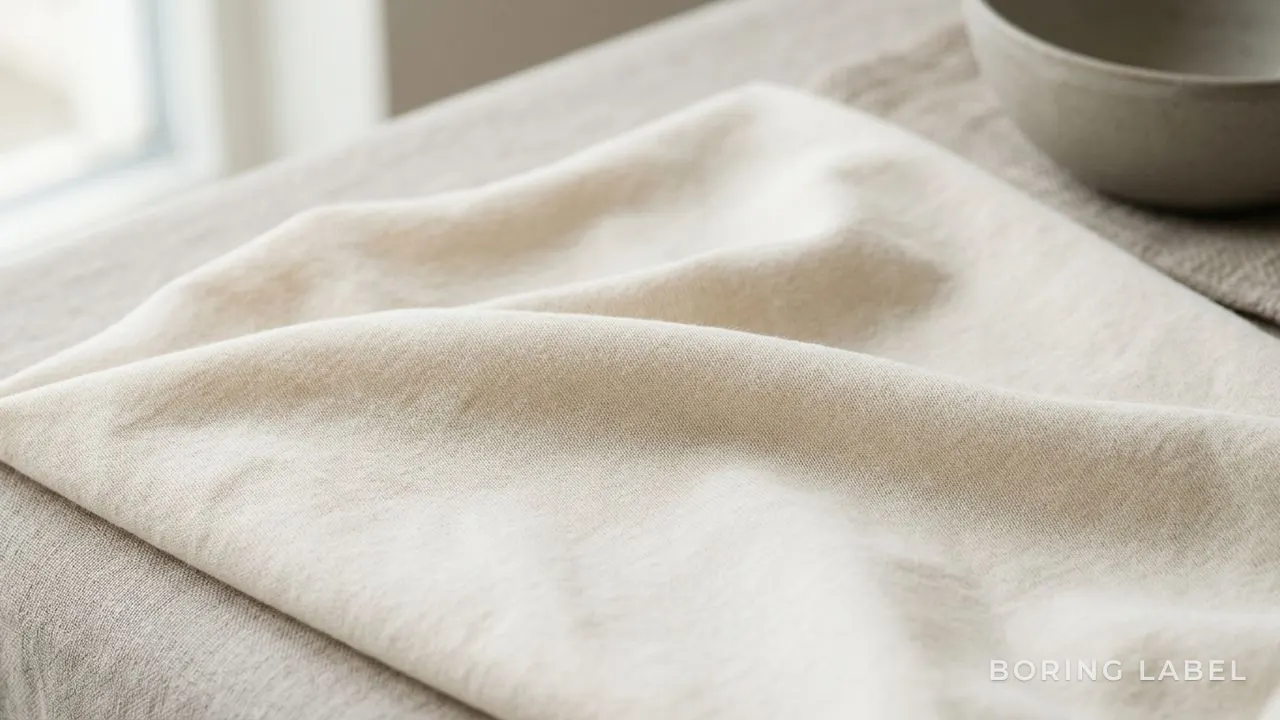
After fibre, weight is the property that decides summer comfort, and it is the one people most often ignore. Fabric weight is measured in GSM - grams per square metre - and it tells you how heavy and dense the cloth is. In summer, this number matters enormously.
A heavy 240 GSM tee might be a beautiful, substantial thing in winter. In a Delhi or Mumbai summer it is a portable sauna.
The denser the fabric, the more it insulates, and insulation is exactly what you do not want when it is forty degrees. For hot weather you want a lighter, more open fabric that lets air and heat pass through.
Here is the practical range for Indian summer:
- 140 to 160 GSM: Light and very breathable. Excellent in peak heat. The trade-off is that lighter cotton can be slightly sheer and shows wear sooner, so quality of construction matters more.
- 160 to 190 GSM: The summer sweet spot for most people. Substantial enough to hang well, hold its shape, and not be see-through, but light enough to breathe properly. If you want one weight to cover the whole Indian summer, this is it.
- 190 to 220 GSM: Getting heavy for peak heat. Fine for an air-conditioned office or cooler evenings, warm for an afternoon outdoors.
- 220 GSM and up: Save it for winter. Too insulating for summer comfort.
Note the tension here: lighter breathes better but a too-thin tee feels cheap and wears out faster, while a slightly heavier one lasts longer but runs hotter. The 160 to 190 band threads that needle, which is why it is the default for a hot-climate everyday tee. There is a full breakdown of what the number predicts about quality and durability in the GSM guide; for summer specifically, just remember that lower GSM means cooler, and somewhere around 170 is the comfortable middle.
Fit: where the air actually moves
You can pick the right fabric at the right weight and still cook, because fit decides whether air can move across your skin at all. A tee that clings traps a layer of hot, damp air against you.
A tee with a little room lets that air circulate and carry heat and moisture away. In summer, the cut is a cooling system.
This does not mean baggy. It means a fit that skims rather than grips, with a few specific things to look for:
- Skims, does not cling. You want the fabric to fall close to the body without sticking to it. A tee tight across the chest and stomach has nowhere for air to go and will show every patch of sweat. A bit of ease is comfort, not sloppiness.
- Set-in shoulders and short-ish sleeves. Sleeves that end around mid-bicep let the arm breathe. A sleeve that grips the bicep is a tiny tourniquet of trapped heat.
- A crew neck that sits clean, not high and tight. A collar strangling your throat in the heat is genuinely uncomfortable. A well-cut round neck sits flat and lets the neck breathe. A good round-neck tee is built to sit exactly this way, which is no small thing when it is the difference between comfortable and stifling all day.
- Length that lets you move air. Long enough to stay tucked or untucked cleanly, not so long and heavy that it clings down your back.
On the oversized question: a relaxed, slightly oversized tee can be excellent in summer precisely because the extra room means more airflow, provided the fabric is light and breathable. A heavy oversized tee just gives you more sauna.
If you go relaxed, go light. The full case on which fit suits which frame is in oversized vs regular fit, but for summer the rule is airflow first: pick the fit that lets the most air move while still looking intentional.
Colour: comfort and dignity
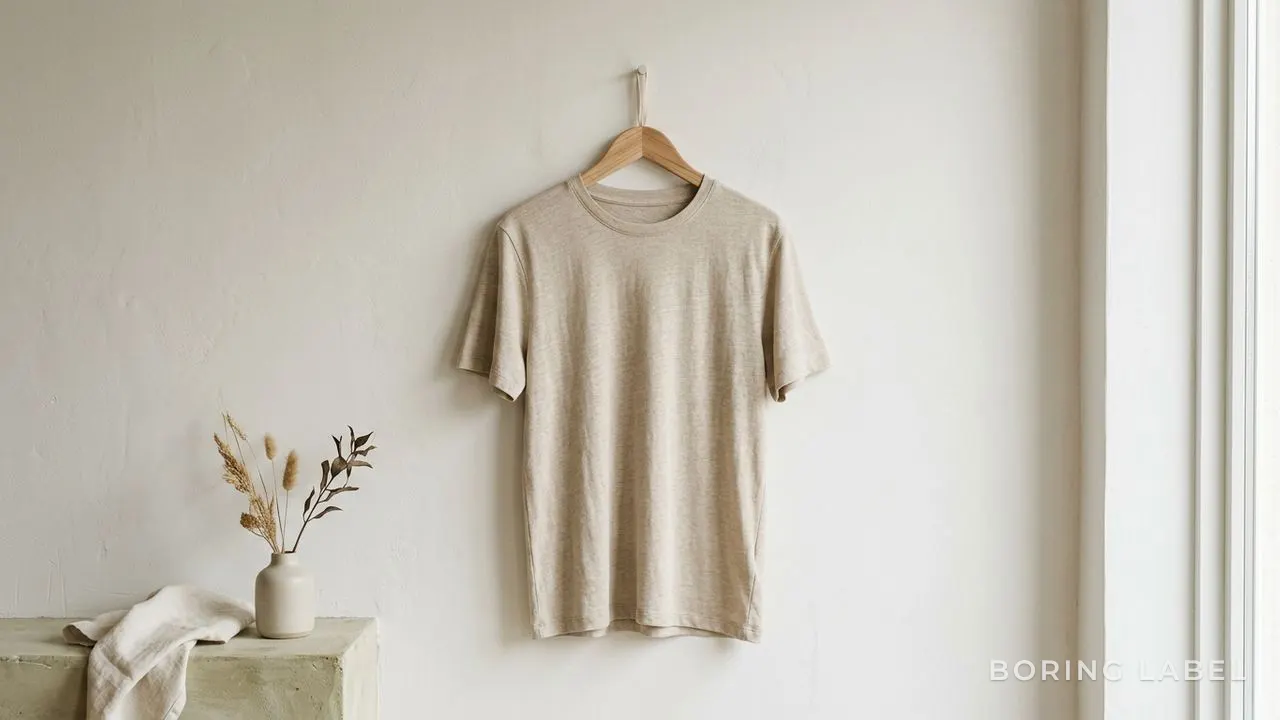
Colour in summer is doing two jobs at once - managing heat and managing the visible evidence of sweat - and the right choice trades these off sensibly.
The heat side
The physics is real but often overstated for clothing. Light colours reflect more sunlight; dark colours absorb more and can run a little warmer in direct sun.
In genuine outdoor heat, lighter shades do have an edge. But the effect is modest for a normal tee in normal use, and it is comprehensively outweighed by fabric and weight.
A light-coloured polyester tee will still cook you; a dark, light combed-cotton one will be comfortable. So treat colour as a secondary lever for heat, not a primary one.
The sweat side - this is the one that bites
Here is the practical problem nobody warns you about: mid-tone colours show sweat worst. A medium grey tee develops dark, spreading patches under the arms and down the back the moment you perspire, and there is no hiding it. Light grey, powder blue, and similar mid-tones are the worst offenders. It is the single most common summer-tee regret.
The colours that handle sweat with dignity:
- White: Sweat barely shows, and it reflects heat. The classic summer colour for good reason. The only catch is it can go slightly translucent when wet, so a decent weight and a vest underneath solve it. Twelve ways to wear it are in how to style a white t-shirt.
- Black and very dark navy: Counterintuitively excellent at hiding sweat, because the wet patches barely contrast against the dark base. They run a touch warmer in direct sun but look composed all day. Keeping black looking deep rather than faded through summer washing takes a little care - covered in black t-shirt outfit ideas.
- Deep, saturated colours: A rich olive, a proper deep blue, a strong rust. Saturated tones hide sweat far better than washed-out pastels.
The shades to be wary of in heat: mid greys, light heathered colours, and pale pastels - all of them broadcast sweat. If you love grey, go either very light or charcoal, and skip the middle.
A sensible summer colour priority, in order:
- White - cool, sweat-friendly, endlessly wearable.
- Black / dark navy - hides sweat best, always sharp.
- One or two deep saturated colours - olive, deep blue, rust - for variety without sweat drama.
That is genuinely all most people need for summer. The fuller logic of which colours to own and in what order is in the essential t-shirt colours.
Care: summer destroys tees, unless you fight back
Summer is brutal on t-shirts, and not only from being worn. The combination of heavy sweat, frequent washing, strong detergent, and line-drying in fierce direct sun ages a tee faster than any other season.
A tee that would last three years in mild use can look tired in one Indian summer if you treat it carelessly. A few habits make the difference between a tee that survives the season and one that does not.
- Wash in cold water. Hot water sets sweat stains, fades colour, and breaks down fibres faster. Cold cleans summer sweat perfectly well and is gentler on everything.
- Turn tees inside out before washing. This protects the outer surface from the abrasion of the machine drum, which is what causes fading and pilling. Costs nothing, helps a lot.
- Treat sweat and deodorant marks promptly. The yellowish stiffening under the arms is partly sweat reacting with aluminium-based antiperspirant. Tackle it early; once set in, it is very hard to remove and will ruin a white tee.
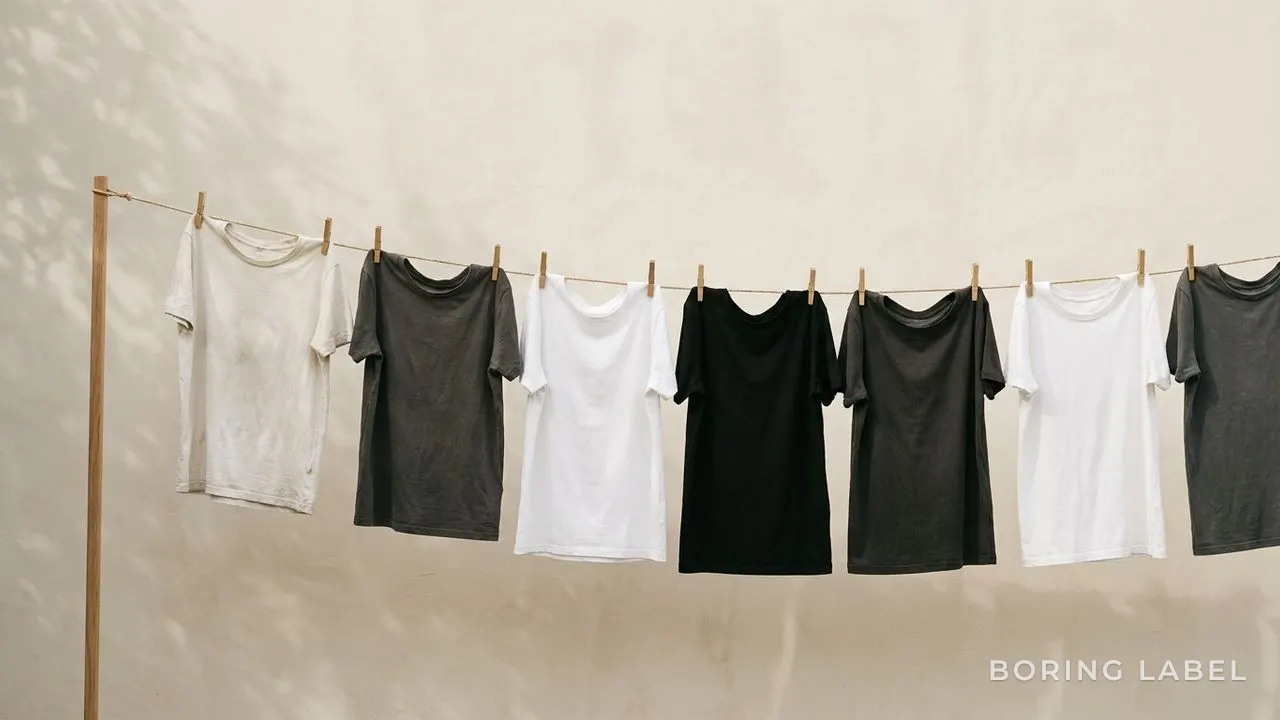
- Dry in shade, not blazing sun. Direct Indian sun is a powerful bleach. It will fade a black tee grey and a coloured tee dull within a season. Dry in shade or indoors and the colour lasts dramatically longer.
- Skip the dryer entirely. Heat from a tumble dryer shrinks and weakens cotton. In summer you do not need it anyway - line-drying in shade is fast and far kinder.
These habits matter more in summer than any other time, and they protect the money you spent choosing a good tee in the first place. The full routine, with the reasoning behind each step, is in how to wash t-shirts so they last longer. Skip it and even the best summer tee will not see a second season.
The weave and finish details that quietly matter
Fibre, weight, fit and colour are the big four, but two smaller properties separate a genuinely good summer tee from a merely adequate one, and almost nobody checks them. They are worth a minute because they cost nothing to look for and make a real difference over a sweaty season.
Weave openness. Two tees can be the same fibre and the same GSM and still breathe very differently depending on how tightly the cloth is knitted. A more open, slightly looser knit lets air pass through; a dense, tightly packed one resists it even at the same weight.
You can feel this by holding the fabric up to the light - a summer-friendly knit shows a faint, even texture, while a dense one looks solid and flat. Single-jersey, the standard t-shirt knit, is the right structure for heat.
Heavier interlock or double-knit fabrics, while lovely and durable, run warmer. For summer, single-jersey in a light, open knit is what you want.
Finish and softness. How a fabric is treated after knitting changes how it sits against hot skin. A well-finished combed-cotton tee feels smooth and cool to the touch; a poorly finished one feels slightly rough or papery, and that roughness becomes irritating against sweaty skin over a long day.
Run the fabric between your fingers - it should feel soft and settled, not stiff or scratchy. Stiffness sometimes washes out, but often it signals a cheaper finish that will also pill and rough up further over the season.
Neither of these will be printed on a label, which is exactly why they are worth checking by hand. A tee that is mostly cotton, around 170 GSM, in a light open single-jersey knit with a soft finish is about as good as a summer tee gets - and you can confirm all four with thirty seconds of touching the cloth.
Summer fabrics ranked, honestly
To make the fabric decision concrete, here is the practical ranking for an everyday summer tee in Indian conditions, with the honest trade-off for each. This is about real daily comfort, not lab numbers.
- Combed cotton (best everyday choice). Breathes, absorbs sweat, feels natural and soft in heat, survives heavy washing. The only real downside is slower drying, which barely matters in dry summer heat. For most people, in most situations, this is the answer and there is no need to overthink it.
- Modal or modal-cotton blend (excellent, slightly premium). Wonderfully soft, cool, and drapey, with good moisture handling. Can cling a little when fully wet, and tends to cost more. A great choice if you want something that feels a notch more luxurious than plain cotton.
- Linen and linen blends (coolest, but high-maintenance). Possibly the most genuinely cooling fabric there is, with a fast-drying, breezy quality. The catch is heavy creasing and a rougher hand, which is why it shines as a shirt more than as a tee. Brilliant for the hottest days if you do not mind the rumpled look.
- High-cotton blends (acceptable compromise). A tee that is mostly cotton with a small amount of elastane for stretch or a little poly for shape can be fine, provided cotton dominates. The more synthetic creeps in, the worse it breathes.
- Cotton-polyester blends (avoid for peak heat). Sold as practical, but the polyester traps heat and turns clammy when you sweat. Fine for mild weather, poor for an Indian afternoon.
- Pure polyester (worst for everyday comfort). Dries fast and costs little, but does not breathe and feels sweaty against the skin in heat. Built for active sport with airflow, not for sitting in a humid room. Avoid for daily summer wear.
The pattern is clear and worth internalising: natural fibres up top, synthetics at the bottom, and the more cotton (or modal, or linen) in the mix, the more comfortable you will be when it is genuinely hot.
A quick summer-tee buying checklist
Pulling it all together, here is what to check on any tee before buying it for hot weather. Run through it in the shop or before you click buy.
- Fabric: Is it mostly or fully cotton, ideally combed? If the label is heavy on polyester, put it back.
- Weight: Is it in the roughly 160 to 190 GSM range? If you cannot find the number, hold it up - it should feel substantial but not dense, and should not be obviously see-through or obviously heavy.
- Fit: Does it skim rather than cling? Can you imagine air moving under it? Is the collar comfortable rather than tight?
- Colour: Is it white, dark, or a deep saturated shade - and not a mid grey or pale pastel that will broadcast sweat?
- Construction: Straight side seams, a collar with body, a neat double-stitched hem. These predict whether it survives summer washing. Many of these are the same things that separate a quality tee from a cheap-looking one, covered in why a t-shirt looks cheap.
Three or four good tees that pass this checklist will serve you better through an entire Indian summer than a drawer full of cheap ones that cling, fade, and show every drop of sweat. As with most clothing, fewer and better wins.
The takeaway: comfort is engineered, not bought by the dozen
The best summer tee is not a style decision, it is an engineering one. It is good combed cotton at a sensible light weight, cut to let air move, in a colour that hides sweat with dignity, and looked after so the brutal season does not destroy it in three months. Get those four things right - fabric, weight, fit, colour - and you will be comfortable through forty-degree afternoons in a tee that still looks composed at the end of the day.
Get them wrong and it does not matter how the tee looked in the shop or how much it cost. A polyester blend in mid grey at a heavy weight will cook you, cling to you, and broadcast every patch of sweat, and no amount of styling rescues it.
So stop shopping for summer tees by the label on the display and start judging them by the cloth in your hand. Mostly cotton, around 170 GSM, a fit that breathes, white or dark or deeply saturated.
Buy a small handful that pass that test, wash them with a bit of care, and the Indian summer stops being a stress test your wardrobe keeps failing. It becomes just another season you are quietly, comfortably dressed for.
Boring Label
Wear the point of the article.
One honest tee. Heavyweight combed cotton, a collar that holds, a fit that actually fits. No logo, no noise.
Shop the round-neck teeFree shipping across India · Easy returns
Keep reading
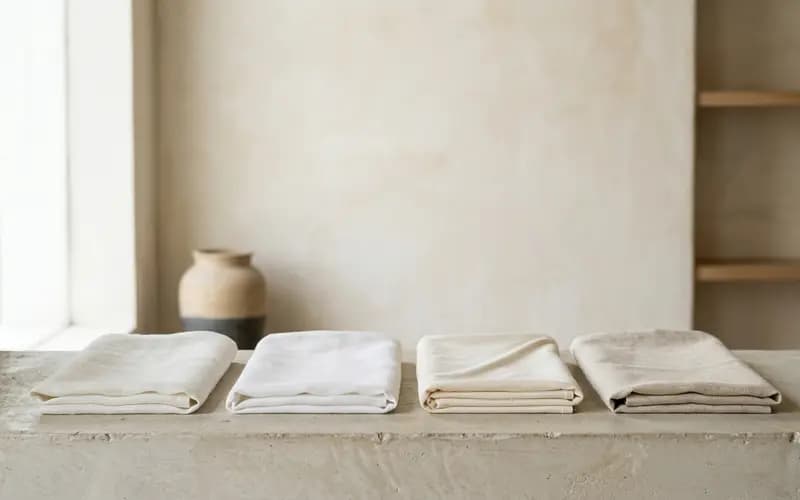
Most Breathable Fabric for Summer (India Guide)
Breathability is not just the fibre. Weave, weight, and finish decide whether a tee cools you or clings.
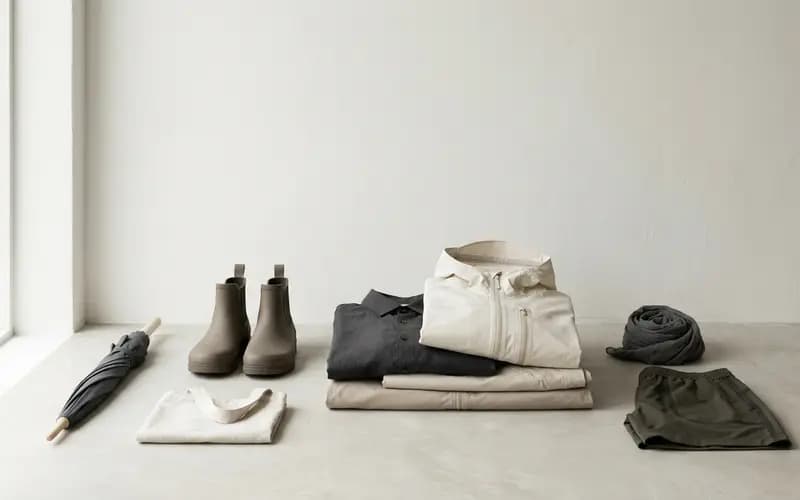
Monsoon Clothing: What to Wear in the Rains
The monsoon punishes the wrong fabrics. Dress for fast-drying and you stay comfortable through it.
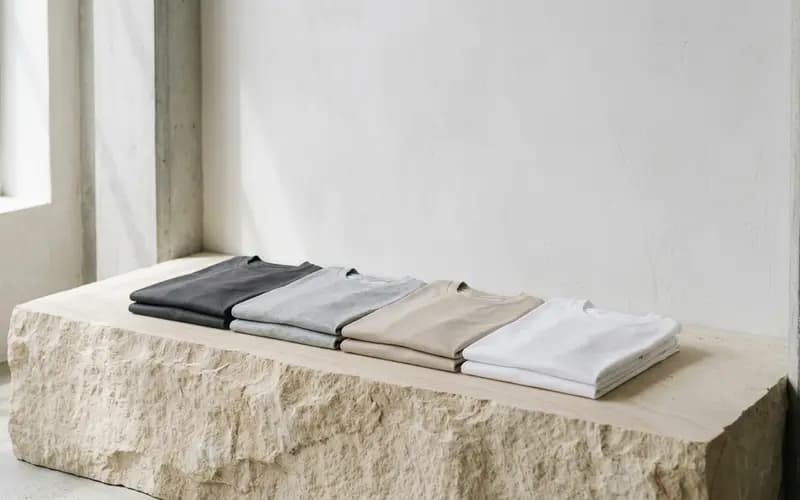
The Essential T-Shirt Colours to Own
Buy these colours in this order and every tee works with everything else you own.
Stay in the loop
New writing, no noise
Occasional notes on fit, fabric, and dressing simply well. No spam, unsubscribe anytime.
Subscribe