Buying
The college starter wardrobe on Rs 3,000
A prioritised Rs 3,000 college wardrobe breakdown that spends most of the budget on versatile tees before anything else.
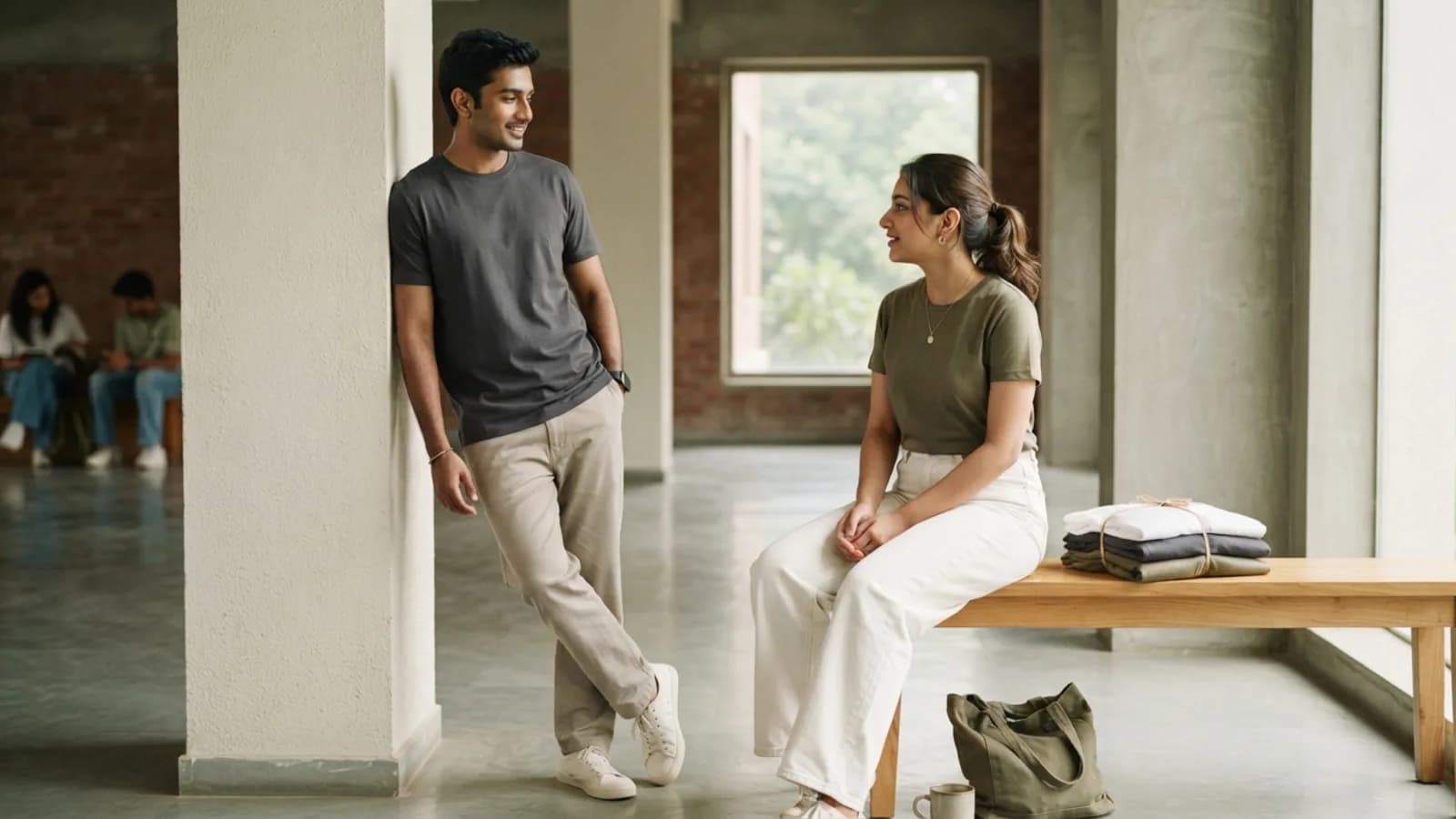
Rs 3,000 is enough, if you spend it in the right order
Most college wardrobe advice online assumes a budget that does not exist for a first-year student living on a monthly allowance or a small stipend. Rs 3,000 sounds tight until you realise most of it is usually spent on the wrong things first.
A single branded hoodie can eat half that budget alone, leaving you with one flashy piece and nothing to wear it with. The smarter approach spends on the base layer first, the pieces you will wear three times a week for the next three years, and treats everything else as optional.
This guide builds a complete starter wardrobe for Rs 3,000, prioritised in the order that actually matters: tees first, then bottoms, then the one layering piece, then footwear care. It assumes you already own some clothes from school; this is about filling real gaps, not starting from zero.
If Rs 3,000 still feels tight once you see the list, our basics under Rs 1,000 guide breaks the same logic down at an even smaller scale.
Why tees should eat half your budget, not the smallest slice
The instinct in a tight budget is to spend on the "statement" piece, the jacket or the one flashy shirt, and treat tees as an afterthought you will pick up cheaply later. This is backward, and it is the single most common wardrobe mistake college students make.
A tee is worn two to three times more often than any jacket or occasion piece across a normal college week. Lectures, the mess, the library, a casual outing, all of it runs through tees, which means the actual cost per wear on a good tee beats almost anything else you could buy.
Our cost-per-wear guide explains this math properly, but the short version for a college budget is this: three well-made tees at Rs 400 each, worn 150 times each over three years, cost about half a rupee per wear. One flashy Rs 1,200 shirt worn ten times before it falls out of rotation costs Rs 120 per wear.
Budget the largest single chunk of your Rs 3,000, roughly Rs 1,200, on three tees in versatile neutral colours. A well-fitted round-neck tee in charcoal, navy, and white covers lectures, casual outings, and layering under a jacket without ever looking repetitive, because nobody clocks the same neutral tee the way they clock the same loud print.
The Rs 3,000 breakdown, piece by piece
Here is a complete allocation, built around versatility rather than novelty.
| Item | Quantity | Approx. spend | Why it earns the spend |
|---|---|---|---|
| Round-neck tees, neutral colours | 3 | ✓ Rs 1,200 | Worn most often, highest cost-per-wear value |
| Basic joggers or straight trousers | 2 | ✓ Rs 900 | Pairs with every tee, works for most college dress codes |
| One overshirt or light jacket | 1 | ✓ Rs 600 | Single layering piece, extends every outfit combination |
| Socks (pack) | 1 pack | ✓ Rs 200 | Cheap to buy right, expensive to ignore |
| Miscellaneous or buffer | - | ✗ Rs 100 | For a belt, safety pin kit, or unexpected repair |
Notice what is missing: a second jacket, a "statement" printed tee, branded sneakers. Those are all real wants, and nothing here says skip them forever.
It says build the base first, with the money you actually have, and add the wants once your allowance or a part-time stipend gives you room. A wardrobe built entirely on wants and nothing on fundamentals is the reason so many students end up wearing the same three "good" outfits on rotation while a cupboard of impulse buys sits untouched.
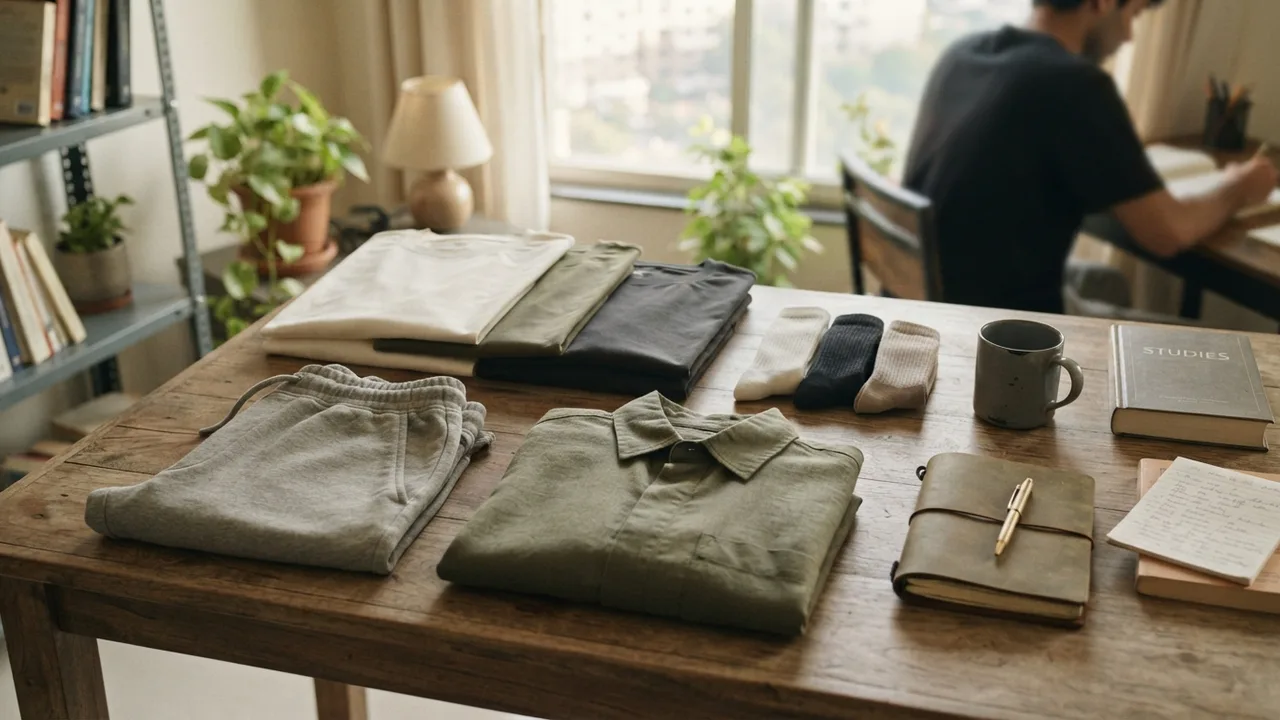
Why three tees is genuinely enough to start
Three tees sounds thin until you count the actual outfit combinations. Three tees times two bottoms times one overshirt, worn open or closed, already gives you a dozen distinct-feeling outfits before anyone notices a repeat.
Our how many t-shirts do you actually need guide runs this math in full, and the answer surprises most people: far fewer than they assume, as long as the colours are chosen to combine rather than clash. Stick to neutrals for these first three, because a bright colour locks you into one or two bottom pairings, while charcoal, navy, and white each work with everything else in the list above.
Add colour later once the base is solid; it is far easier to layer a fourth, more expressive tee onto a working system than to build a system out of pieces that only work alone.
Getting fit right matters more than getting quantity right
A common trap at this budget is buying more, cheaper pieces instead of fewer, better-fitted ones, on the logic that quantity feels safer. It rarely pays off, because a poorly fitted tee gets worn less regardless of how cheap it was, which quietly wastes the money anyway.
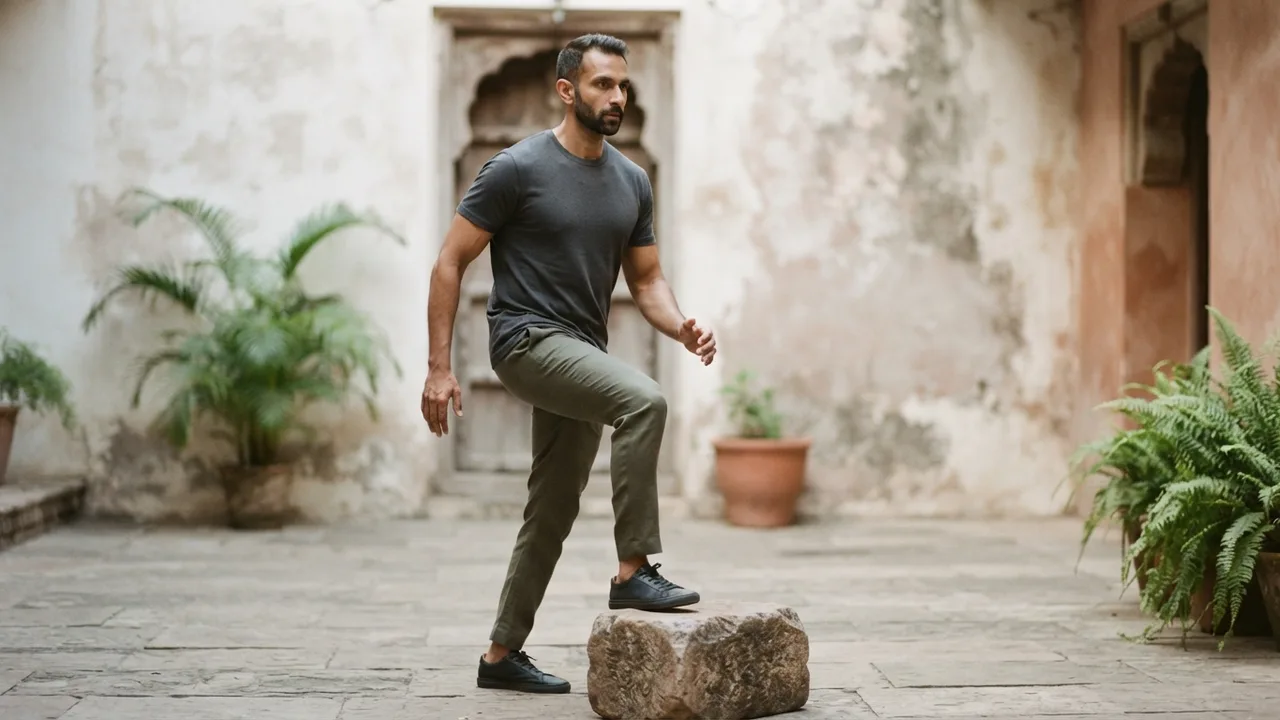
Before buying anything, know your actual size rather than guessing from a size chart; our how to measure your t-shirt size guide takes ten minutes and prevents the single most common cause of a college wardrobe full of tees nobody reaches for. A tee that fits at the shoulder and chest, without pulling or drowning you, gets worn constantly.
One that is slightly wrong in either direction gets pushed to the back of the cupboard within a month, no matter how good the price was.
What to skip entirely at this budget
A few categories are worth actively avoiding on a Rs 3,000 college budget, not because they are bad, but because they are poor value at this stage. Skip printed or graphic tees for now; they read as one specific outfit rather than a base, and you will tire of the print faster than the fabric wears out.
Skip anything marketed heavily on brand logo alone, since you are paying for the print, not the fabric quality underneath it, and campus laundry cycles are hard on cheap prints regardless of brand. Skip a second jacket or hoodie until the tee-and-trouser base is solid; a wardrobe with two jackets and two tees looks far more limited day to day than one with three tees and one jacket, even though the jacket usually costs more.
Making it last through hostel or PG laundry
College laundry is rarely gentle, whether that is a hostel washing machine on a shared schedule or a PG laundry service that does not sort by fabric. A few habits protect the Rs 1,200 you just spent on tees far more than any premium fabric claim on its own.
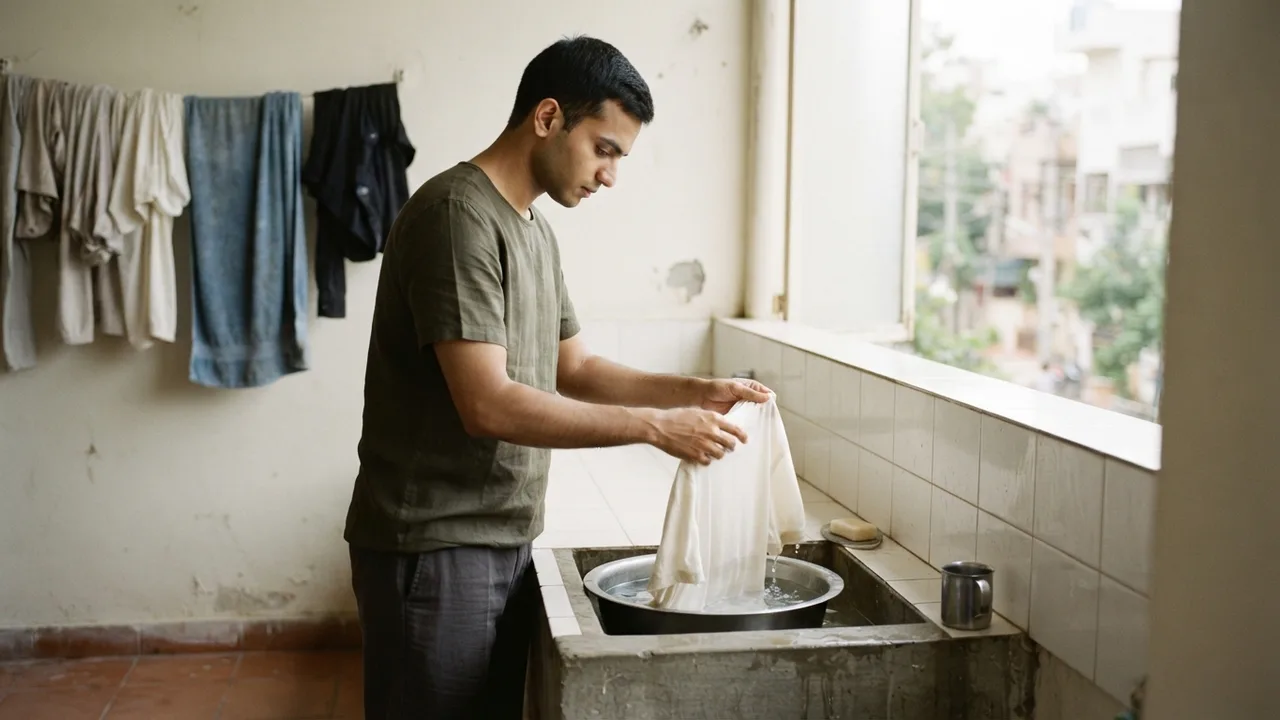
Turn tees inside out before washing to protect the outer surface and any print from friction against zippers and buttons in a shared load. Air dry rather than relying on a hostel dryer when you can, since dryer heat is the single biggest cause of a good tee shrinking or losing shape within its first few months.
Our full routine in how to wash t-shirts so they last longer is written for exactly this kind of shared, imperfect laundry situation, and following even half of it will meaningfully extend how long your three starter tees stay in good rotation.
Building on this base as your budget grows
This Rs 3,000 wardrobe is a starting point, not a final answer, and it is designed to grow cleanly. The next Rs 1,000 you have to spend, whether that comes from a part-time gig, festival gift money, or savings, should go toward a fourth tee in a colour you have been missing, or a second overshirt for variety.
Resist the urge to spend the next windfall on something flashy and unrelated to what you already own; every new piece should combine with at least two things already in the wardrobe, or it is adding cost without adding real outfits. This is the same discipline behind a proper minimalist capsule wardrobe, just starting from a smaller, more constrained place than most capsule guides assume.
Where to actually shop on this budget
!Minimalist editorial photo illustrating resist the urge to spend the next windfall on something flashy and unrelated to what you already own; every new piece should combine with at least two things already in the wardrobe, or it is adding cost without adding real outfits. this is the same discipline behind a proper [minimalist capsule wardrobe, just starting from a smaller, more constrained place than most capsule guides assume., muted neutral tones, soft natural light, premium plain t-shirt context](/images/blog/college-wardrobe-3000/inline-3.webp)
Rs 3,000 stretches further in some places than others, and where you shop matters as much as what you buy. Large fast-fashion chains often price individual tees cheaply, but the fabric quality drops fast after a handful of washes, which quietly defeats the cost-per-wear math this whole guide is built on.
A mid-range direct-to-consumer brand focused specifically on tees, rather than a general fashion retailer carrying everything, tends to offer better fabric quality per rupee, because the entire business is built around getting one category right instead of spreading quality thin across dozens of product lines. Our own round-neck tee sits in exactly this space, priced for a real starter wardrobe rather than a splurge, built to survive hostel or PG laundry rather than a gentle home wash cycle.
Buying two or three tees from one reliable source, rather than one tee each from three different unknown ones, also means consistent sizing across your base wardrobe, which matters more than people expect when you are building outfits around a small, interchangeable set of pieces.
What to do once the first three tees wear out
Nothing in a Rs 3,000 wardrobe is meant to last forever, and knowing when to replace rather than patch a worn tee is its own small skill. A tee that has lost its shape at the collar or gone thin and see-through at the shoulders has stopped doing its job as a base layer, even if it still technically covers you.
Replace one at a time rather than all three together, both for budget reasons and because staggering replacement means you are never without a working base wardrobe while waiting for a new order to arrive. Our guide on tees you never wear is worth a read once your college wardrobe has had a full year to settle, since it will help you spot which of your original three or four tees earned a repeat purchase and which were a size or colour mismatch worth correcting next time.
The takeaway: spend on what you wear most, not what looks best on day one
A college wardrobe built on Rs 3,000 does not need to look thin or feel like a compromise, as long as the money goes to the pieces doing the most daily work. Three well-fitted, well-chosen tees, two versatile bottoms, one layering piece, and decent socks will carry you through more actual days than a smaller pile of flashier, pricier items ever could.
Build the base first, resist the urge to spend on novelty before fundamentals, and let the wardrobe grow from a place that already works rather than one you are constantly trying to patch together.
Boring Label
Wear the point of the article.
One honest tee. Heavyweight combed cotton, a collar that holds, a fit that actually fits. No logo, no noise.
Shop the round-neck teeFree shipping across India · Easy returns
Keep reading
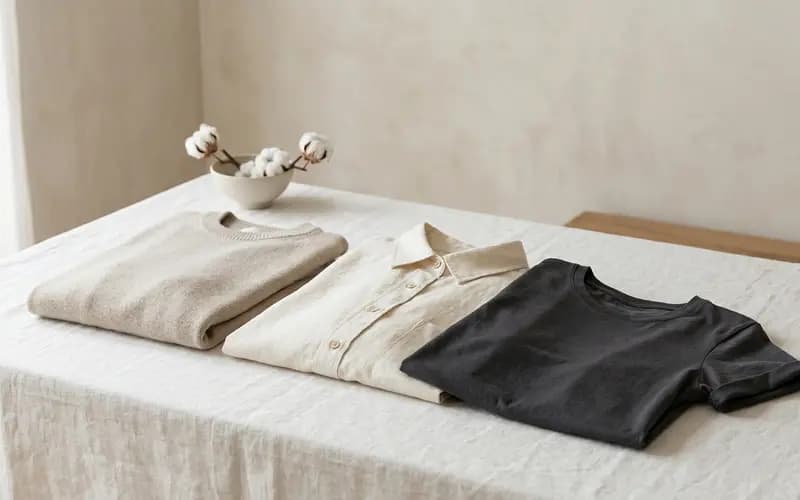
Best Wardrobe Basics Under 1000
Good and cheap is rare but real. Here is where the under-₹1000 basics are actually worth buying.
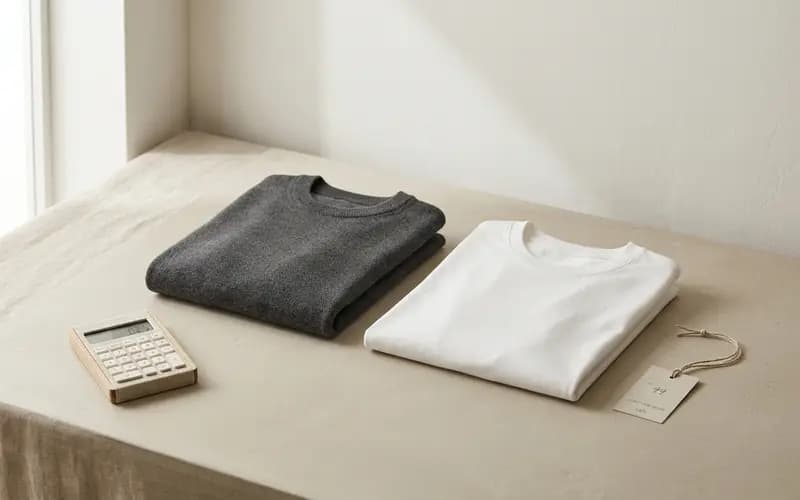
Cost Per Wear: The Only Clothing Maths You Need
The cheapest tee on the shelf is often the most expensive one you will own. Cost-per-wear explains why.
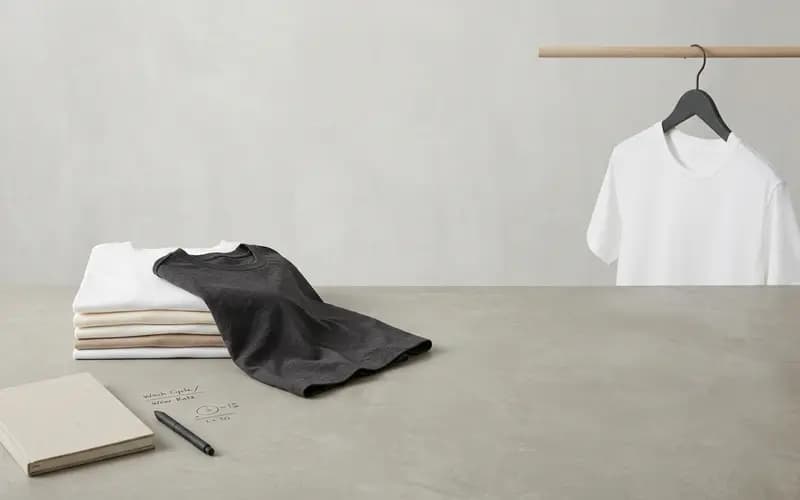
How Many Plain T-Shirts Does a Man Need?
Do the laundry maths, land on your real number, and discover why repetition beats variety in the drawer.
Stay in the loop
New writing, no noise
Occasional notes on fit, fabric, and dressing simply well. No spam, unsubscribe anytime.
Subscribe