The Only Tee You Need
Supima Round Neck
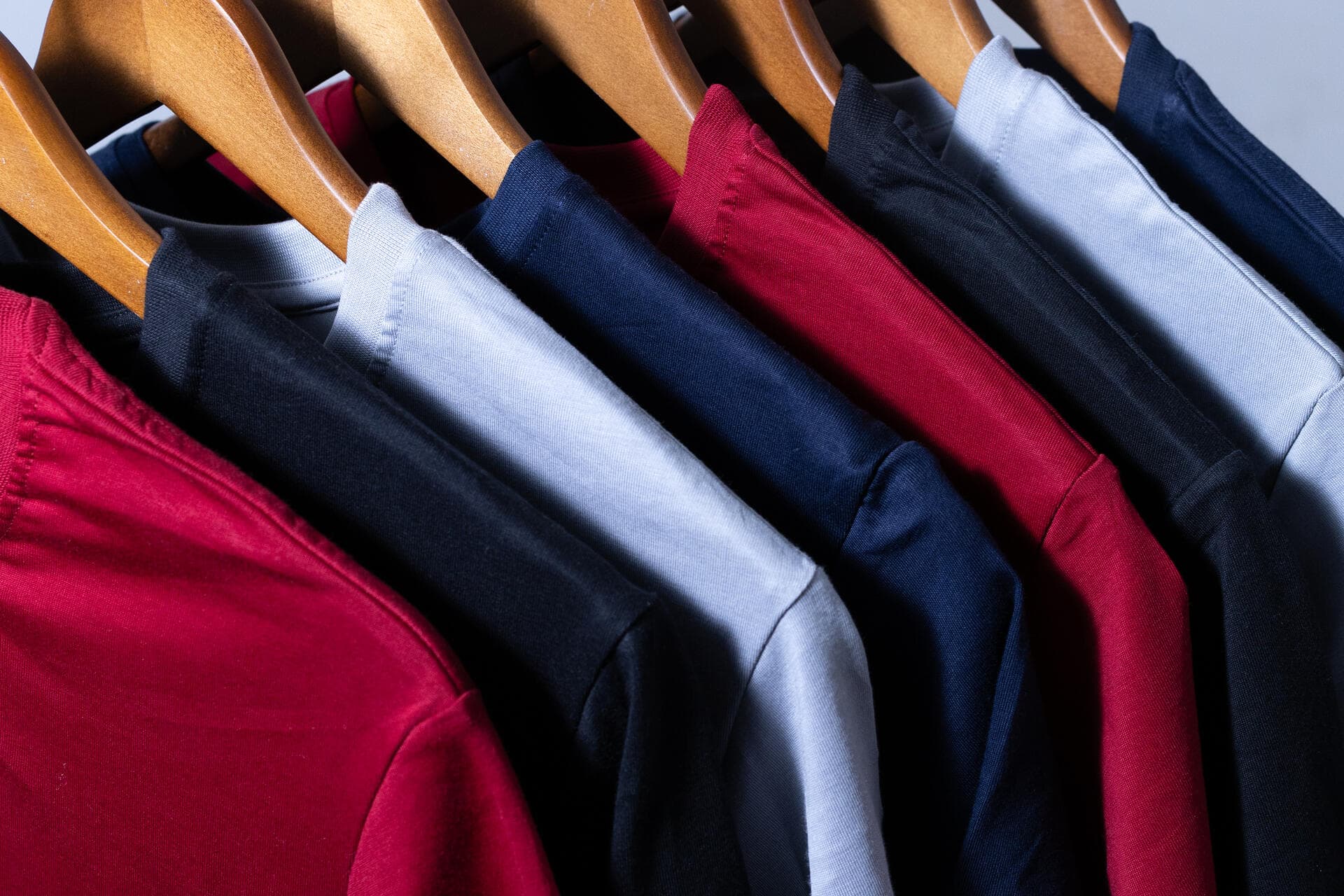
Natural vs Synthetic · Performance Context · Honest Assessment
Supima Cotton vs
Nylon.
Nylon was the first fully synthetic fibre, developed by DuPont in 1935. It is one of the most durable fabrics ever made — resistant to abrasion, stretching, and tearing in ways natural fibres cannot match. It is also hydrophobic, heat-trapping, and petroleum-derived. For performance applications — bags, swimwear, activewear — nylon is outstanding. For a daily t-shirt against skin in India's climate, it is the wrong tool.
Nylon's durability is real and unrivalled for performance applications. As a daily t-shirt fabric, it fails on comfort, breathability, and skin feel — the properties that matter most.
Shop Supima T-Shirts →₹1,299 on Amazon · Free returns
At a Glance
The comparison, summarised.
Six dimensions rated on a ten-point scale. No weighting, no bias — just fibre science.
Dimension
Supima Cotton
Nylon
Softness
Durability
Colour Retention
Breathability
Sustainability
Value (cost-per-wear)
Softness
Durability
Colour Retention
Breathability
Sustainability
Value (cost-per-wear)
Side by Side
The strongest synthetic versus the finest natural.
Different materials built for different purposes.
Hover over any rating bar for details.
Softness
Natural cotton with smooth, skin-appropriate feel. No synthetic texture.
Nylon ranges from smooth to rough depending on the weave and denier. Modern fine-denier nylon is softer than older formulations but retains a distinctly synthetic feel against skin.
Durability
Long-staple fibres resist pilling and maintain structure through 150+ wash cycles.
Nylon is one of the most abrasion-resistant materials in textiles. It resists tearing, maintains strength through hundreds of wash cycles, and does not pill. Durability is nylon's definitive advantage.
Colour Retention
Smooth natural fibre surface with excellent dye stability.
Nylon holds colour well under most conditions but can yellow under UV exposure, particularly whites and light colours. Acid dyes used for nylon can fade in alkaline detergents.
Breathability
Natural moisture management for India's hot, humid climate.
Nylon is hydrophobic — it repels rather than absorbs moisture, trapping heat and sweat against the skin. In India's climate, wearing nylon as a t-shirt becomes uncomfortable quickly. This is the fundamental drawback for casual daily wear.
Sustainability
Natural, biodegradable cotton from regulated US farmland.
Nylon is petroleum-derived, non-biodegradable, and releases microplastics in every wash. Production is energy-intensive. Recycled nylon (Econyl) addresses some concerns but remains a synthetic polymer with a long environmental footprint.
Value (cost-per-wear)
Years of comfortable daily wear at a reasonable per-wear cost.
Nylon's durability is excellent but is wasted on a garment you do not want to wear daily due to discomfort. High durability with low wearability does not produce good cost-per-wear.
The Supima Advantage
Built for the body, not the lab.
Nylon is engineered to last. Supima is grown to feel right.
01
Hydrophobic in a Humid Climate
Nylon's moisture-repelling properties — an advantage for activewear and swimwear — become a liability in everyday wear. In Mumbai in July, a nylon t-shirt traps body heat and sweat, making it significantly less comfortable than cotton in identical conditions.
02
The Microplastic Problem
Every wash of a nylon garment releases thousands of microplastic fibres into water systems. Cotton biodegrades within months in appropriate conditions. Nylon persists for centuries. The environmental difference is categorical, not incremental.
03
Durability Without Purpose
A nylon t-shirt that lasts 10 years is impressive engineering. But if the comfort level means you only wear it when nothing else is clean, its practical lifespan is poor regardless of its physical durability. Durability that serves wearability is the right metric.
04
Skin Chemistry
Natural cotton fibres are pH-neutral and chemically inert against skin. Synthetic fibres can interact with skin chemistry — nylon in particular can cause contact reactions in sensitive individuals. For a daily-wear garment, natural fibre is the lower-risk choice.
Common Questions
Supima vs Nylon — answered.
Why the most durable fabric isn't right for everyday t-shirts.
No. Sustainability is not just about garment lifespan. Nylon is petroleum-derived, non-biodegradable, sheds microplastics, and requires energy-intensive production. A Supima tee lasting 5 years with a natural fibre has a lower lifetime environmental footprint than nylon despite shorter absolute durability.
More Material Comparisons
See how Supima cotton compares to other popular fabrics.
Related glossary terms:
Experience It
The difference isn't marketing.
It's in the fibre.
Cotton breathes. Nylon doesn't. In India's climate, that is not a detail — it is the whole story.
Free returns · 30 washes guaranteed · ₹1,299
Shop Supima T-Shirts →Available on Amazon India