The Only Tee You Need
Supima Round Neck
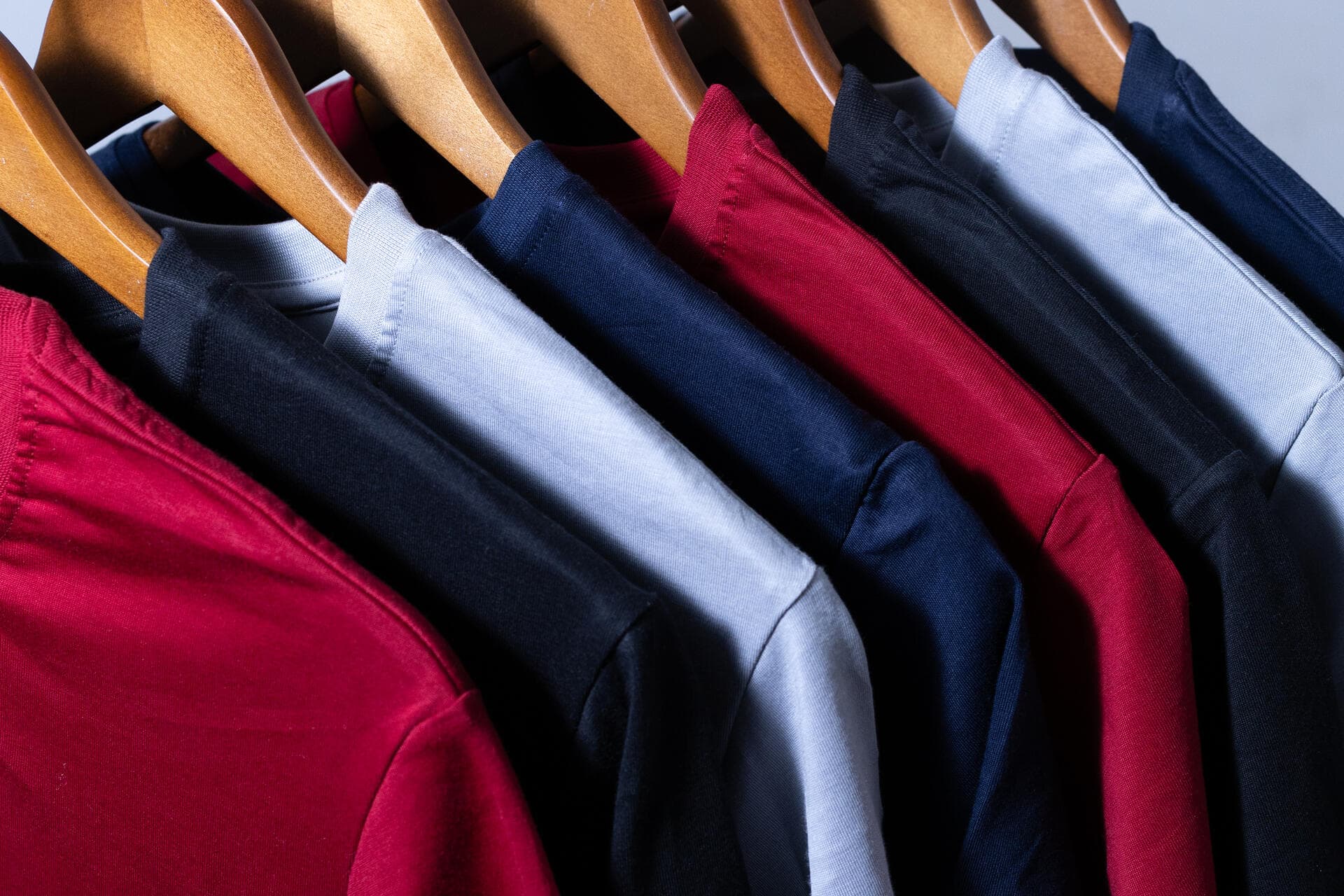
Natural Fibre Comparison · Summer Wear · Honest Trade-offs
Supima Cotton vs
Linen.
Linen is one of the world's oldest textiles — spun from flax plant fibres and worn in ancient Egypt for its breathability in extreme heat. Modern linen is experiencing a revival as a premium summer fabric. In breathability, linen genuinely excels. Its trade-offs are roughness, structure loss, and wrinkling behaviour.
Linen is the champion of breathability. Supima answers in softness, wash resilience, and year-round versatility. They are different tools for different contexts.
Shop Supima T-Shirts →₹1,299 on Amazon · Free returns
At a Glance
The comparison, summarised.
Six dimensions rated on a ten-point scale. No weighting, no bias — just fibre science.
Dimension
Supima Cotton
Linen
Softness
Durability
Colour Retention
Breathability
Sustainability
Value (cost-per-wear)
Softness
Durability
Colour Retention
Breathability
Sustainability
Value (cost-per-wear)
Side by Side
Ancient flax versus California cotton.
Two natural fibres with complementary strengths.
Hover over any rating bar for details.
Softness
Consistently smooth from first wear through extended use. No roughness, no break-in period required.
Linen's natural texture is characteristically textured and somewhat rough, softening with each wash. High-quality Italian linen becomes notably softer over time, but rarely approaches cotton-level smoothness.
Durability
Long-staple cotton fibres resist pilling and maintain structure under regular washing.
Linen is exceptionally strong — flax fibres are stronger than cotton by weight. Linen garments can last decades with appropriate care. This is a genuine linen strength.
Colour Retention
Smooth uniform fibre surface with excellent dye uptake and retention.
Linen's irregular natural fibre surface creates uneven dye distribution — the characteristic 'linen look.' Colours appear somewhat muted and fade more visibly than cotton.
Breathability
Excellent natural moisture management for warm climates.
Linen breathes better than any cotton. The hollow flax fibre structure creates exceptional airflow, making linen the gold standard for breathability in extreme heat. We won't pretend otherwise.
Sustainability
Regulated US cotton farming with certified supply chain.
Flax is one of the most sustainable crops — requires little water, minimal pesticides, and produces a fully biodegradable fibre. European linen (particularly Belgian and French) carries the highest sustainability credentials.
Value (cost-per-wear)
Year-round versatility and consistent wash performance.
Premium linen prices are high. The material is seasonally appropriate in India (excellent in summer, less comfortable in cooler months). Year-round utility is more limited than cotton.
The Supima Advantage
Where Supima answers linen's limitations.
Linen excels in breathability. Supima excels where linen falls short.
01
Wrinkling and Maintenance
Linen wrinkles dramatically — this is structural, not a quality defect. For casual summer wear it is accepted. For professional or smart-casual contexts, linen requires ironing after almost every wear. Supima holds its appearance through the day.
02
The Softness Threshold
Linen softens over its lifetime, but rarely reaches the smooth hand feel of premium cotton. New linen can feel scratchy against sensitive skin. This matters for a t-shirt worn directly against the body without an undershirt.
03
Year-Round Wearability
Linen is excellent for 8–10 months of the Indian year but becomes cold and rigid in winter. Supima's natural fibre properties make it comfortable across a wider temperature range.
04
Wash-and-Wear Simplicity
Supima requires no special care. Machine wash cold, hang dry, wear. Linen needs more deliberate handling — cold water, gentle cycle, and typically requires ironing. The care overhead matters for daily-use garments.
Common Questions
Supima vs Linen — answered.
An honest comparison of two premium natural fibres.
On raw breathability in extreme heat, yes — linen is unmatched. But in practice, the wrinkling, rougher texture, and limited colour options of linen mean many people prefer cotton for daily t-shirt wear even in summer.
More Material Comparisons
See how Supima cotton compares to other popular fabrics.
Related glossary terms:
Experience It
The difference isn't marketing.
It's in the fibre.
After wash thirty, a Supima tee still holds its colour, its shape, and its softness. The comparison is not hypothetical — it is in the fabric.
Free returns · 30 washes guaranteed · ₹1,299
Shop Supima T-Shirts →Available on Amazon India