The Only Tee You Need
Supima Round Neck
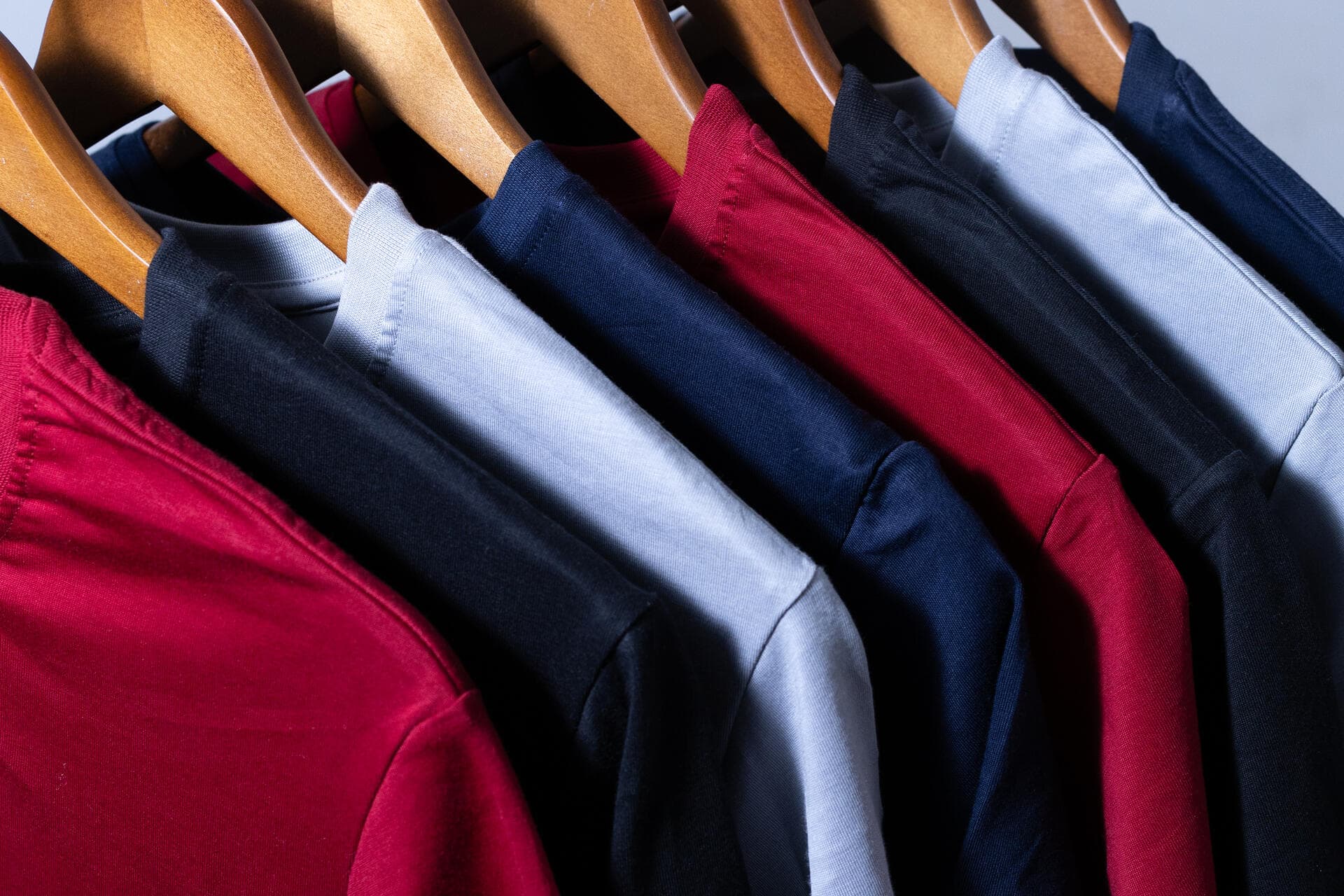
Natural vs Semi-Synthetic · Sustainable Fibre · Daily Wear Performance
Supima Cotton vs
Tencel (Lyocell).
TENCEL Lyocell, produced by Lenzing AG, is widely regarded as the most sustainable manufactured fibre available at scale. Made from wood pulp (primarily eucalyptus or beech) using a closed-loop solvent process that recovers 99%+ of chemicals, it is a genuine environmental achievement. It is also exceptionally smooth, breathable, and biodegradable. Its durability profile is where it gives ground to Supima.
TENCEL is the most credible eco-story in manufactured fibre. Supima wins on durability and wash resilience. If sustainability is the primary criterion, TENCEL deserves serious consideration.
Shop Supima T-Shirts →₹1,299 on Amazon · Free returns
At a Glance
The comparison, summarised.
Six dimensions rated on a ten-point scale. No weighting, no bias — just fibre science.
Dimension
Supima Cotton
Tencel (Lyocell)
Softness
Durability
Colour Retention
Breathability
Sustainability
Value (cost-per-wear)
Softness
Durability
Colour Retention
Breathability
Sustainability
Value (cost-per-wear)
Side by Side
Eucalyptus versus California cotton.
The most sustainable manufactured fibre versus the most sustainable natural fibre.
Hover over any rating bar for details.
Softness
Extra-long staple natural fibre with smooth, consistent surface from first wear through thirtieth.
TENCEL lyocell has a characteristically smooth, slightly silky hand feel from its nanofibril structure. Initial softness is comparable to Supima. This is a genuine TENCEL strength.
Durability
Long-staple natural fibres maintain strength under mechanical washing stress for 150+ cycles.
Lyocell fibres have moderate wet strength relative to cotton. TENCEL garments can develop surface fibrillation (a subtle fuzz) under friction and may pill more than premium cotton over extended use.
Colour Retention
Excellent and consistent dye uptake across the garment's lifespan.
TENCEL accepts dye well and colours are generally vibrant. Some fibrillation over time can slightly affect surface colour appearance.
Breathability
Natural moisture management for warm climate comfort.
TENCEL's nanofibril structure creates exceptional moisture management — absorbing and releasing moisture faster than cotton. Breathability is a genuine TENCEL advantage.
Sustainability
Natural, biodegradable, regulated US farming. Long garment lifespan reduces per-wear resource cost.
Lenzing's closed-loop production process, eucalyptus sourced from certified sustainable forests, full biodegradability, and verifiable chain of custody make TENCEL the current gold standard for sustainable textile fibre production.
Value (cost-per-wear)
Long-term durability amortises the premium price effectively.
TENCEL garments are often priced similarly to Supima but have shorter practical lifespans under daily wear due to fibrillation and pilling tendencies.
The Supima Advantage
Where natural fibre durability prevails.
TENCEL is the sustainability leader in manufactured fibre. Supima leads in long-term structural integrity.
01
Fibrillation Under Friction
TENCEL's nanofibril surface structure creates its softness but also creates susceptibility to fibrillation — the formation of fine surface fuzz — under repeated mechanical friction. This is most visible at wash cycles 20–40. Supima does not exhibit this behaviour.
02
Wash Stability
Cotton fibres maintain dimensional stability better than lyocell under agitated washing. TENCEL garments can soften past the point of structure over time, particularly at collars and hems. The drape that feels luxurious at first can feel limp later.
03
TENCEL's Genuine Achievement
We will say it plainly: Lenzing's TENCEL production process is one of the most impressive achievements in sustainable textile manufacturing. The 99%+ solvent recovery rate, certified forest sourcing, and full biodegradability are not marketing claims — they are documented and audited.
04
The Use Case Split
For consumers who prioritise environmental impact above all and are willing to replace garments more frequently, TENCEL is a well-reasoned choice. For a single all-purpose t-shirt that performs consistently for years, Supima's durability advantage is meaningful.
Common Questions
Supima vs TENCEL — answered.
Two premium fibres with different strengths.
Yes, comparably. Both have smooth, refined hand feels. TENCEL has a slightly silkier quality on first touch; Supima maintains its texture integrity longer. The initial softness comparison is genuinely close.
More Material Comparisons
See how Supima cotton compares to other popular fabrics.
Related glossary terms:
Experience It
The difference isn't marketing.
It's in the fibre.
TENCEL has earned its sustainability credentials honestly. For daily durability through years of wear, Supima remains our answer.
Free returns · 30 washes guaranteed · ₹1,299
Shop Supima T-Shirts →Available on Amazon India