The Only Tee You Need
Supima Round Neck
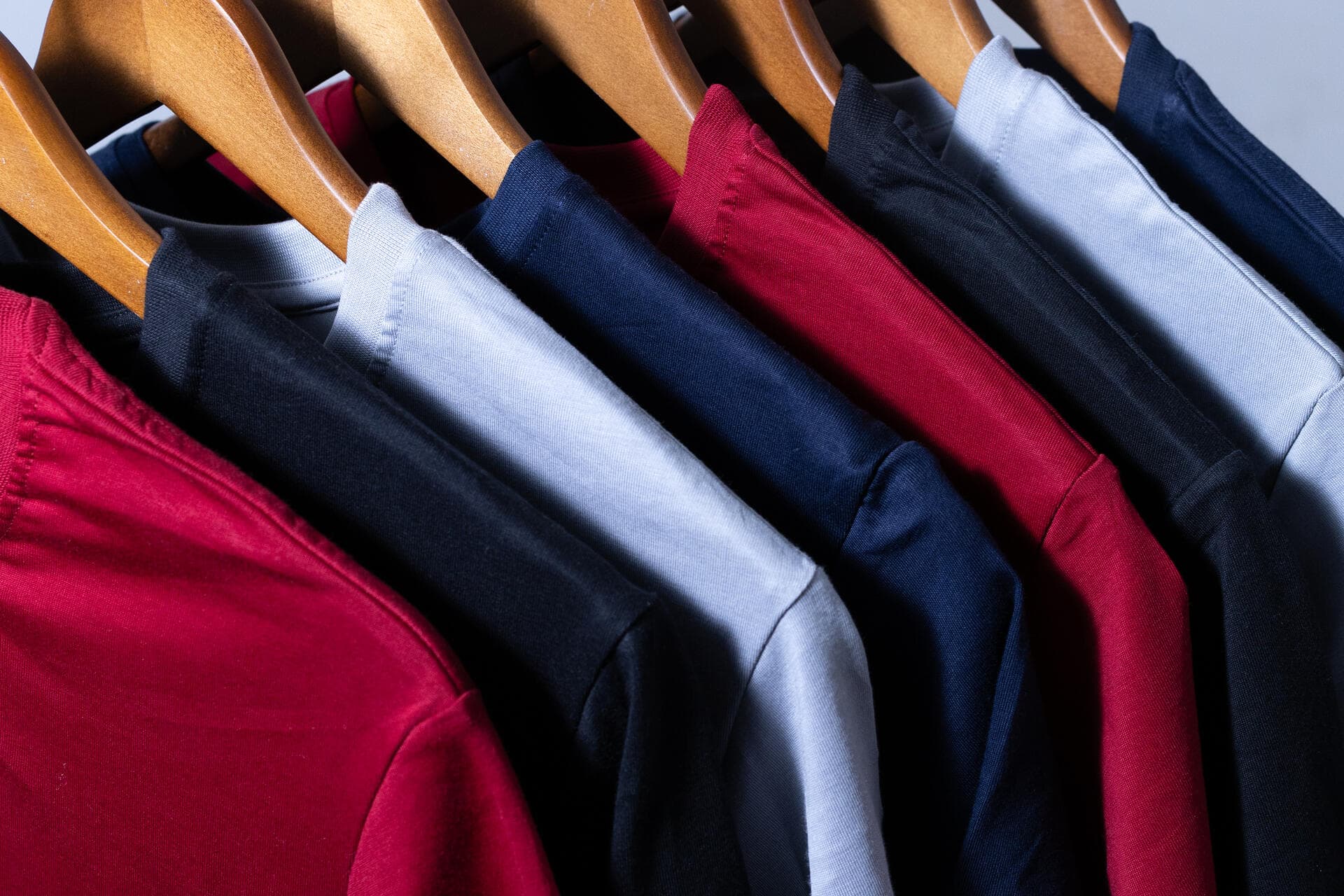
Natural vs Semi-Synthetic · Processing Reality · Wear Performance
Supima Cotton vs
Viscose (Rayon).
Viscose (also sold as rayon) is the oldest manufactured cellulosic fibre, invented in the 1880s as a silk alternative. Made from dissolved wood pulp extruded into fibre, it produces a light, fluid fabric that drapes beautifully. What the labels rarely say is that viscose uses a chemically intensive production process and produces a fibre with significant wet-strength limitations.
Viscose's drape and initial softness are genuine. Its durability under real-world washing conditions is not. For a daily t-shirt, the durability gap is the defining factor.
Shop Supima T-Shirts →₹1,299 on Amazon · Free returns
At a Glance
The comparison, summarised.
Six dimensions rated on a ten-point scale. No weighting, no bias — just fibre science.
Dimension
Supima Cotton
Viscose (Rayon)
Softness
Durability
Colour Retention
Breathability
Sustainability
Value (cost-per-wear)
Softness
Durability
Colour Retention
Breathability
Sustainability
Value (cost-per-wear)
Side by Side
The original manufactured fibre versus nature's long-staple cotton.
Viscose has real qualities. It also has real limitations rarely acknowledged in marketing.
Hover over any rating bar for details.
Softness
Natural long-staple cotton with consistent smooth texture across the garment's life.
Viscose is notably soft with a fluid, silk-like drape. This is a genuine quality of the fibre — the chemical processing creates very fine, smooth fibres.
Durability
Long natural fibres maintain structural integrity through 150+ wash cycles.
Viscose loses 40–70% of its tensile strength when wet — every wash cycle stresses the fibre significantly. This leads to stretching, thinning, and structural failure faster than any cotton. Viscose garments have among the shortest practical lifespans of any apparel fabric.
Colour Retention
Excellent and stable colour across the garment's lifespan.
Viscose accepts dye readily but bleeding and fading are common issues, particularly with high-saturation colours. The fibre's instability when wet contributes to colour migration.
Breathability
Natural cotton moisture management.
Viscose breathes well and feels cool against skin. Moisture management is comparable to cotton in comfortable conditions.
Sustainability
Natural, biodegradable, regulated farming with certified supply chain.
Conventional viscose production uses carbon disulfide — a toxic solvent — with significant chemical waste. The wood pulp source is often not from certified sustainable forests. Short garment lifespan increases textile waste. Viscose is among the least sustainable textiles at scale.
Value (cost-per-wear)
Long lifespan means the premium price is well amortised.
Viscose garments are often inexpensively priced but have very short practical lifespans. The cost-per-wear equation is poor despite low purchase prices.
The Supima Advantage
Durability is the dimension viscose cannot win.
The drape is real. The longevity is not.
01
Wet Strength Is Not a Minor Issue
Viscose at 40–70% of dry-state strength when wet means every wash cycle is a structural stress event. Over 20 washes, this manifests as stretched collars, thinning fabric, and deformed garment shape. This is not a quality-tier issue — it is inherent to the fibre chemistry.
02
The Environmental Cost
The viscose process typically uses carbon disulfide, a toxic compound requiring careful waste management. Production facilities in many countries lack adequate controls. The environmental cost of viscose — factoring in chemical production, waste treatment, and short garment lifespan — is high.
03
Drape vs Structure
Viscose's fluid drape makes it excellent for flowing garments — dresses, blouses, loose shirts. For a structured t-shirt that maintains its shape through daily wear and washing, this drape becomes looseness. Cotton holds structure better.
04
The Frequency of Replacement
The typical viscose t-shirt under regular washing lasts 12–18 months before showing significant degradation. A Supima tee maintained properly lasts 5+ years. The cumulative cost of viscose replacement adds up.
Common Questions
Supima vs Viscose — answered.
An honest look at rayon's qualities and limitations.
Cost. Viscose is cheap to produce relative to natural fibres and creates a product with premium aesthetics — soft, drapey, silk-like. For fashion brands optimising for margin and visual appeal on the rack, viscose delivers. For consumers seeking durability, it does not.
More Material Comparisons
See how Supima cotton compares to other popular fabrics.
Related glossary terms:
Experience It
The difference isn't marketing.
It's in the fibre.
Wear a Supima tee for a year. Wash it forty times. See what it looks like. That is the comparison that matters.
Free returns · 30 washes guaranteed · ₹1,299
Shop Supima T-Shirts →Available on Amazon India