The Only Tee You Need
Supima Round Neck
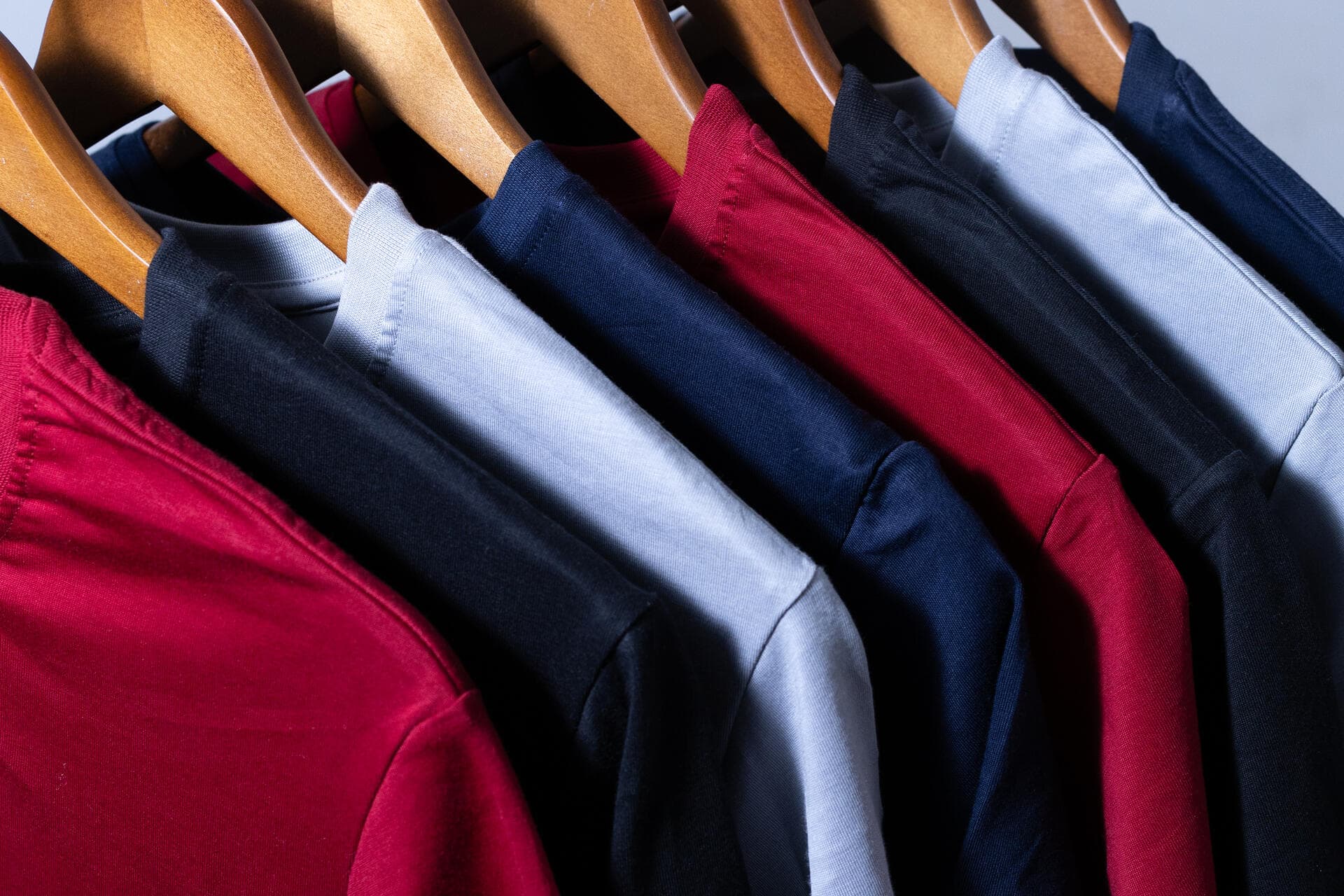
Single Fibre vs Blend · Composition Transparency · What You're Actually Wearing
Supima Cotton vs
Tri-Blend.
Tri-blend fabric typically combines cotton (50%), polyester (25%), and rayon/viscose (25%), though exact ratios vary by brand. The combination is designed to deliver cotton's breathability, polyester's shape retention, and rayon's softness in a single fabric. The reality is a compromise that introduces polyester's heat-trapping and rayon's wet-strength limitations without reaching the peaks of any single premium fibre.
Tri-blend is an affordable compromise that works adequately. Supima is a singular material that works excellently. Compromise has its place; this tee is not where we make it.
Shop Supima T-Shirts →₹1,299 on Amazon · Free returns
At a Glance
The comparison, summarised.
Six dimensions rated on a ten-point scale. No weighting, no bias — just fibre science.
Dimension
Supima Cotton
Tri-Blend
Softness
Durability
Colour Retention
Breathability
Sustainability
Value (cost-per-wear)
Softness
Durability
Colour Retention
Breathability
Sustainability
Value (cost-per-wear)
Side by Side
A blend of compromises versus a single standard.
Three average fibres averaged together rarely produce one exceptional fabric.
Hover over any rating bar for details.
Softness
Single fibre type, 38–40mm long-staple, consistently smooth surface throughout the garment's life.
Tri-blend is undeniably soft on first touch — the rayon component contributes fluid drape and the cotton adds natural feel. The combination creates a fabric many people find very comfortable initially.
Durability
Long-staple cotton maintains structure and resists pilling through extended washing.
Tri-blend durability sits between its constituent fibres. The rayon component weakens when wet, limiting overall wash resilience. Typical tri-blend tees develop pilling and thinning within 20–40 wash cycles.
Colour Retention
Uniform single-fibre surface with consistent, stable dye uptake.
Blended fabrics present multiple fibre types to dye at once, each accepting colour differently. This creates inherent inconsistency — the heathered look tri-blends are known for is a product of this inconsistency, not a design choice.
Breathability
Natural cotton moisture management, suitable for warm climates year-round.
The polyester component (typically 25%) reduces breathability below what 100% cotton provides. In Indian summer conditions, this is perceptible — blended fabrics feel slightly warmer than pure cotton.
Sustainability
Natural, biodegradable, single-fibre construction with certified farming.
Blended fabrics containing polyester shed microplastics and are difficult to recycle. The mix of natural and synthetic fibres makes end-of-life textile processing significantly harder than single-fibre garments.
Value (cost-per-wear)
Higher purchase price with superior longevity and consistent performance.
Tri-blend is typically priced below Supima but above basic cotton. Given shorter lifespan under washing and the aesthetically limited 'heathered' look, the medium-term value equation is not compelling.
The Supima Advantage
Why we chose singular excellence over compromise.
The philosophy of a blend is averaging. Our philosophy is different.
01
Blending Introduces Constraints
Every fibre added to a blend introduces its limitations alongside its strengths. Tri-blend gets rayon's softness — and rayon's wet-strength problem. It gets polyester's shape retention — and polyester's heat trapping. You cannot blend around the weaknesses without also blending away the strengths.
02
The Heathered Look Is a Dye Limitation
Tri-blend's characteristic heathered, marled appearance is not a deliberate design choice — it is the visual result of different fibre types accepting dye at different rates. It looks intentional. It is actually a compromised dye process presented as an aesthetic.
03
Recycling Dead-End
Mixed-fibre garments cannot currently be mechanically recycled at scale. Polyester fibres and cotton fibres require different recovery processes. The tri-blend t-shirt will go to landfill. Pure cotton is biodegradable and is compatible with cotton textile recovery systems.
04
Consistency Across the Wardrobe
A 100% Supima tee washes and wears predictably — the same properties from the first wash to the fiftieth. Tri-blends, with three different fibre behaviours under heat and agitation, can behave inconsistently across wash cycles and even across garments from the same brand.
Common Questions
Supima vs Tri-Blend — answered.
Understanding what blended fabric actually delivers.
No, you are not. Tri-blend is genuinely comfortable on first wear — the rayon and fine polyester components produce a notably soft, lightweight hand feel. Where the difference emerges is at wash twenty and beyond, when the rayon component's durability limitations become visible.
More Material Comparisons
See how Supima cotton compares to other popular fabrics.
Related glossary terms:
Experience It
The difference isn't marketing.
It's in the fibre.
We chose singular excellence over compromised averages. One fibre. One standard. One result.
Free returns · 30 washes guaranteed · ₹1,299
Shop Supima T-Shirts →Available on Amazon India