The Only Tee You Need
Supima Round Neck
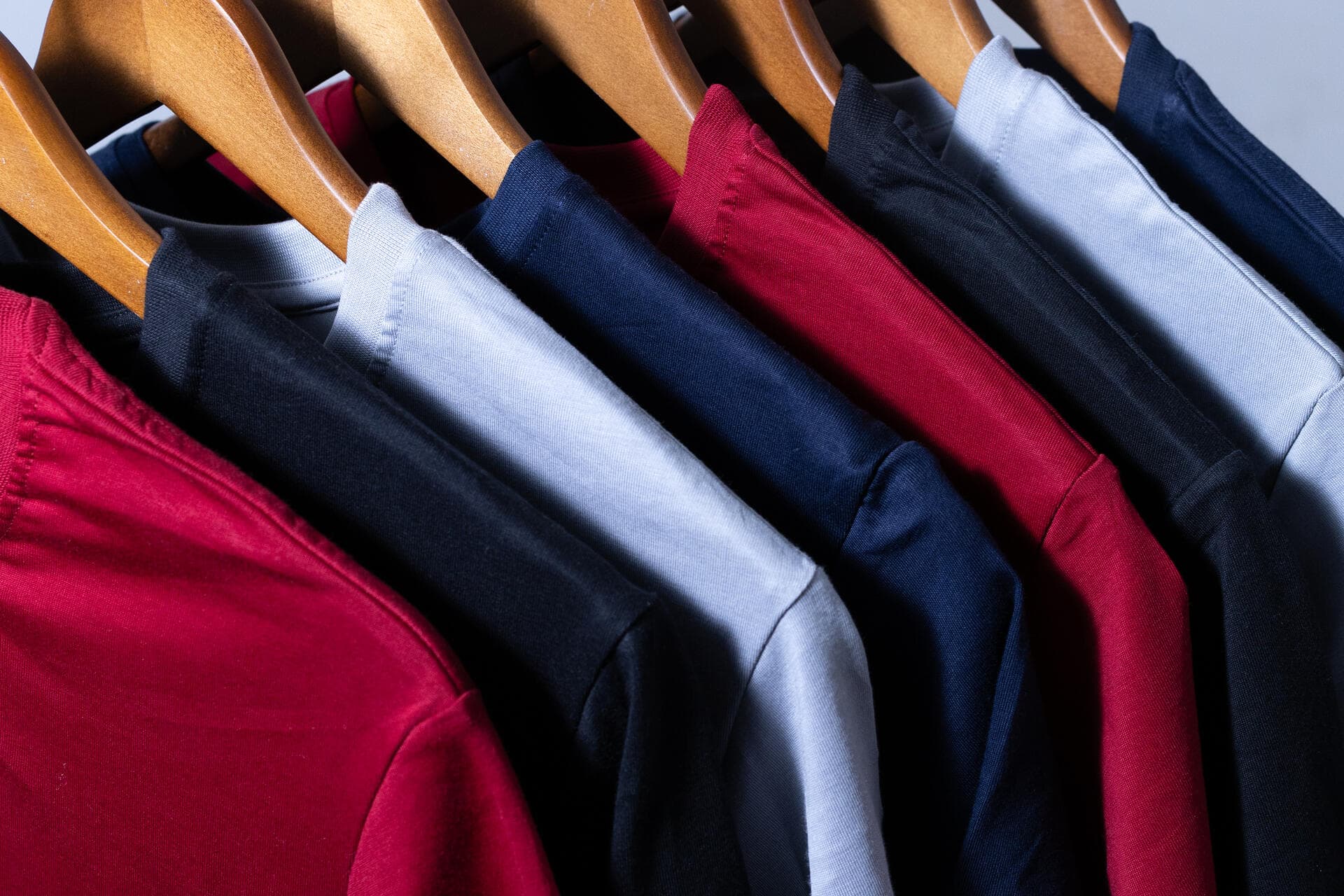
Premium Cotton vs Sustainable Cotton · Fibre Quality vs Farming Method
Supima Cotton vs
Organic Cotton.
Organic cotton is grown without synthetic pesticides or fertilisers, under certification standards like GOTS or OCS. It addresses real environmental concerns about conventional cotton farming. What organic certification speaks to is the farming method — not the fibre length. Most organic cotton uses standard staple lengths (20–28mm), producing garments with similar quality properties to regular cotton.
Organic cotton solves the farming problem. Supima solves the fibre quality problem. The two address different questions, and the best choice depends on which question matters most to you.
Shop Supima T-Shirts →₹1,299 on Amazon · Free returns
At a Glance
The comparison, summarised.
Six dimensions rated on a ten-point scale. No weighting, no bias — just fibre science.
Dimension
Supima Cotton
Organic Cotton
Softness
Durability
Colour Retention
Breathability
Sustainability
Value (cost-per-wear)
Softness
Durability
Colour Retention
Breathability
Sustainability
Value (cost-per-wear)
Side by Side
Method versus material.
Organic certification addresses how cotton is grown. Supima certification addresses what it is.
Hover over any rating bar for details.
Softness
Extra-long staple fibres (38–40mm) produce measurably smoother yarn. This is a fibre-length advantage, not a farming-method advantage.
Organic certification does not specify fibre length. Most organic cotton uses conventional staple lengths, producing fabric with similar tactile properties to regular cotton — comfortable but not luxuriously soft.
Durability
Longer fibres produce stronger yarn with better pilling resistance across 150+ wash cycles.
Standard staple organic cotton has similar durability to conventional cotton — adequate but not exceptional. Pilling and thinning occur on similar timescales.
Colour Retention
Smooth long-staple fibre surface accepts and holds dye consistently.
Organic cotton holds colour comparably to standard cotton. The organic certification does not affect the fibre's dye affinity.
Breathability
Natural cotton breathability, well-suited to India's climate.
Organic cotton breathes comparably to conventional cotton. No significant breathability advantage from the farming method.
Sustainability
Regulated US farming with water management standards. Longer garment lifespan reduces lifetime environmental cost.
This is where organic cotton earns its position. Eliminating synthetic pesticides and fertilisers significantly reduces water contamination, soil damage, and farmer health risks. GOTS-certified organic cotton is the most rigorously audited option.
Value (cost-per-wear)
Longer lifespan reduces per-wear cost despite premium upfront pricing.
Organic cotton carries a premium over conventional cotton but typically has similar lifespan. The cost premium is for farming method, not durability.
The Supima Advantage
Superior fibre quality at every stage of wear.
You can have principled farming or exceptional fibre. The two are not mutually exclusive — they address different parts of the equation.
01
Fibre Length Is Not a Farming Decision
Organic certification specifies what cannot go on the field. It does not specify how long the cotton fibres must be. Supima's extra-long staple standard (38–40mm) is a quality specification that organic cotton can meet or miss entirely.
02
The GOTS Certification Difference
For consumers prioritising sustainability, GOTS-certified organic cotton is genuinely the most rigorously audited option. We respect this standard. If organic certification is your primary criterion, that is a principled position.
03
Garment Lifespan as Sustainability
A Supima t-shirt lasting 5+ years with 150+ wash cycles has a lower per-garment resource cost than a shorter-lived organic cotton tee replaced every 18 months. Durability is a form of sustainability, particularly in a world drowning in textile waste.
04
What You Feel Wearing It
The smoothness difference between short-staple and long-staple cotton is perceptible to every wearer. Organic certification does not change the tactile experience. If daily comfort matters alongside your environmental values, fibre length is still the relevant variable.
Common Questions
Supima vs Organic Cotton — answered.
A frank comparison of quality and sustainability priorities.
Technically yes — there is no inherent conflict between growing extra-long staple cotton organically. In practice, certified organic Supima is rare because the combined supply chain requirements are complex. Most certified organic cotton uses standard staple lengths.
More Material Comparisons
See how Supima cotton compares to other popular fabrics.
Related glossary terms:
Experience It
The difference isn't marketing.
It's in the fibre.
We are honest about the trade-offs. Supima delivers on quality. If organic farming is your priority, we respect that — and we still think you should feel the Supima difference at least once.
Free returns · 30 washes guaranteed · ₹1,299
Shop Supima T-Shirts →Available on Amazon India