Fit
Oversized vs Regular Fit
One drapes, one frames. Neither is 'better' — it depends on your frame and what you wear it with.
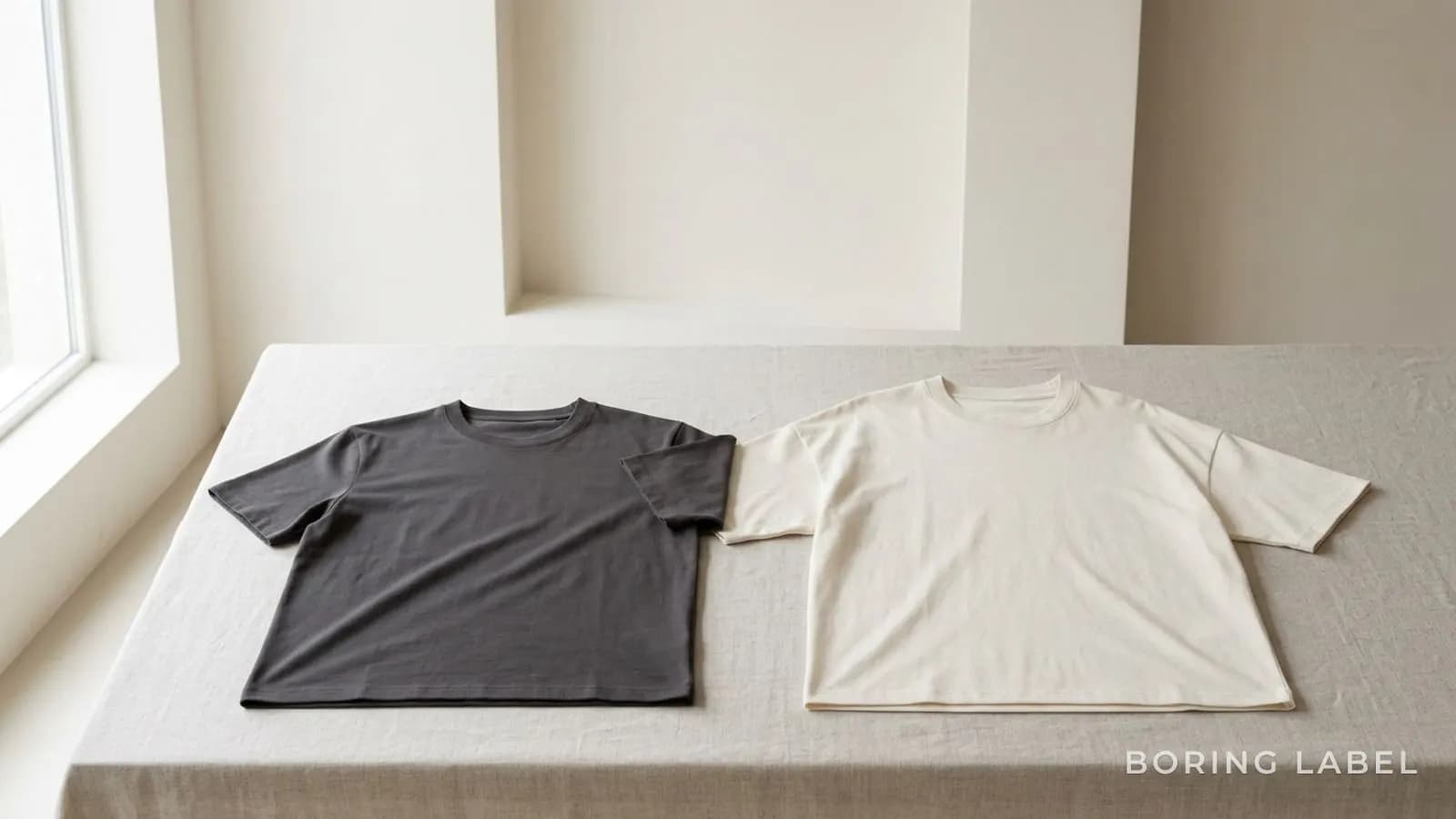
Two silhouettes, two jobs
There is no winner here, so let us kill that idea up front. Oversized and regular fit are not better or worse than each other; they do different jobs.
A regular fit frames your body - it follows your shoulders and torso and presents your actual shape. An oversized fit drapes - it hangs off the shoulders and turns your shape into a soft, relaxed column.
One is structure. The other is flow.
The mistake most people make is treating "oversized" as "regular fit, but I bought it bigger." It is not.
A real oversized tee is cut differently: the shoulder seam is dropped on purpose, the body is wider through the chest and hem, and the proportions are designed to look intentional when loose. Buying a size up in a regular cut just gives you an ill-fitting regular tee.
The seams land in the wrong place, the sleeves flap, and the whole thing reads as a mistake rather than a choice.
So the real question is not "which is better." It is "which job am I trying to do, on this body, with this outfit, in this weather."
That is what this piece answers - with a clear comparison, body-type guidance, and the proportion rules that keep oversized from tipping into sloppy.
If you want the underlying mechanics of how any tee should sit - shoulder seams, taper, hem - start with our t-shirt fit guide. This piece builds on it to compare the two silhouettes directly.
The core differences, side by side
| Feature | Regular fit | Oversized fit |
|---|---|---|
| Shoulder seam | Sits at the bony corner of your shoulder | Dropped deliberately down the upper arm |
| Body width | Skims the torso with light taper | Wide and boxy through chest and hem |
| Length | Lands around mid-zip | Often longer, past the hip |
| Sleeve | Ends on the bicep, follows the arm | Wider, often longer, hangs loose |
| Overall read | Sharp, put-together, classic | Relaxed, fashion-led, casual |
| Best with | Tucked or untucked, smart-casual | Untucked, streetwear, layering |
| Flatters | Most builds; shows your frame | Lean and tall frames most easily |
| Risk if wrong | Looks too tight or too small | Looks like you borrowed it |
Read that table as a map, not a verdict. Both columns describe well-executed versions of each silhouette.
The failure modes live in the bottom two rows, and that is where most of the decision actually happens.
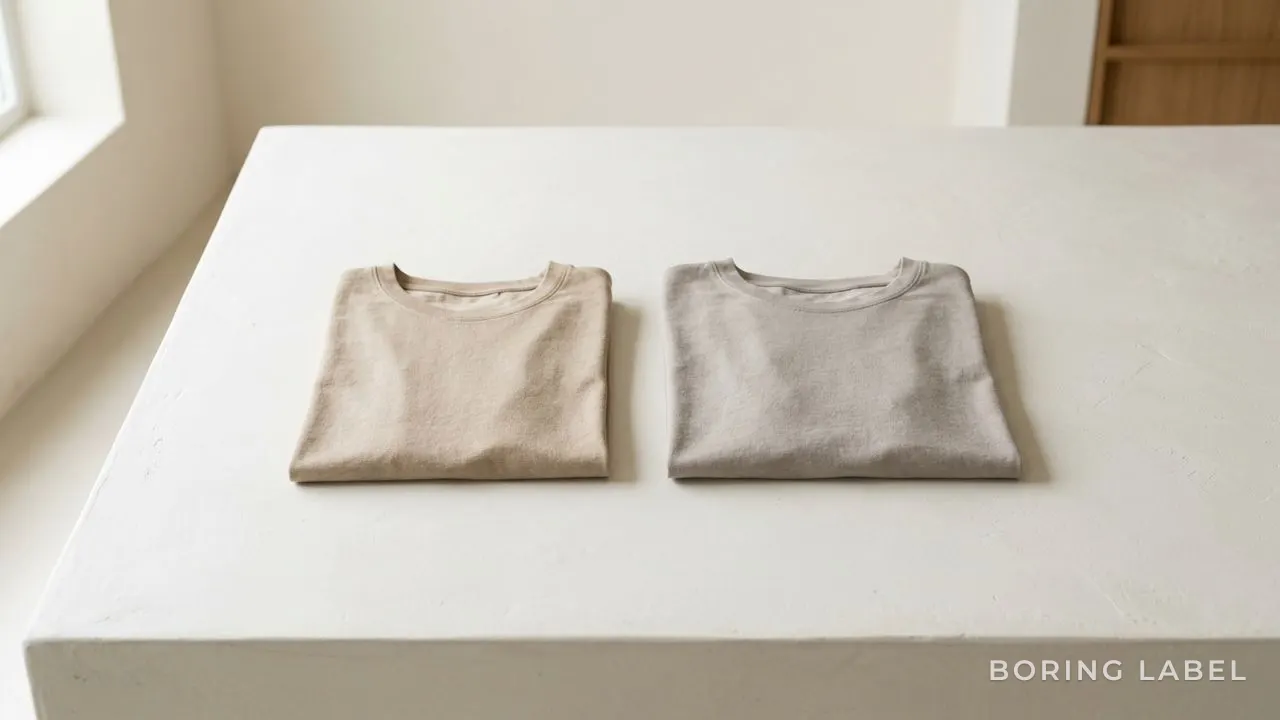
Regular fit: the safe, sharp default
Regular fit is the workhorse. It suits the widest range of bodies, dresses up and down without complaint, and never looks like a fashion gamble.
If you own one t-shirt silhouette, it should be this one.
Why it works on almost everyone
Because it follows your frame, a regular fit presents whatever shape you have rather than hiding or exaggerating it. The shoulder seam sits at the corner, the body skims with a little taper, and the eye reads a clean vertical line.
On a lean person it suggests a build without clinging. On a heavier person it skims without gripping.
On a broad person it shows the shoulders off. There is a reason it is the default - it has the fewest ways to go wrong.
Where regular fit shines
- Smart-casual settings. Office, dinner, anywhere you want to look considered. A regular tee under a jacket or overshirt is a complete outfit.
- Tucking. A regular fit at the right length tucks cleanly. Oversized tees mostly do not.
- Layering under structure. A trim base under a blazer, cardigan, or shirt keeps the layers from bulking up.
- When in doubt. If you are unsure what an occasion calls for, a clean regular-fit tee is almost never wrong.
The one way it fails
Regular fit goes wrong when people buy it too small in pursuit of "fitted." A tee with pull lines across the chest and a hem that rides up is not fitted - it is too small.
Fitted means it follows your shape with a couple of centimetres to pinch, not that it grips like a swim top. If you cannot raise your arms without the hem climbing to your ribs, size up.
Oversized fit: relaxed, but only when intentional
Oversized has gone from streetwear niche to mainstream default for a chunk of younger Indian shoppers, and for good reason - in heat, a loose, airy tee that does not cling is genuinely comfortable. But oversized has a much narrower margin between "considered" and "sloppy" than regular fit does, and that margin is all about proportion.
What makes oversized look intentional
The difference between a stylish oversized tee and a tee that is just too big is whether the proportions were designed to be loose. A proper oversized cut has:
- A dropped shoulder seam that sits cleanly on the upper arm, not sagging halfway to the elbow.
- A body that is wide but still has a defined hem, so it reads as a shape rather than a sack.
- A length that is deliberate - long enough to look relaxed, short enough not to swallow you.
- Sleeves that are wider but still end at a sensible point, not flapping past the elbow.
When those are right, oversized looks like a decision. When you just buy a regular tee two sizes up, the seams land wrong, the length is accidental, and it reads as ill-fitting.
Same looseness, completely different effect.
The proportion rule that saves oversized
Loose on top demands something to balance it. The reliable formula is loose top, fitted bottom, or the reverse - never loose on loose.
An oversized tee with slim or tapered trousers looks intentional because the contrast frames the volume. The same tee with baggy joggers and chunky trainers can read as shapeless unless every piece is deliberately styled.
If you are new to the silhouette, pair an oversized tee with something fitted below and you have removed most of the risk.
A few more rules that keep oversized sharp:
- Front-tuck the hem. Tucking just the front into your waistband defines your waist and stops the tee reading as a tent. It is the single most effective oversized styling move.
- Mind the sleeve. If the sleeve hits below the elbow, the tee is too big even for oversized. A small cuff roll fixes a borderline case.
- Keep the shoe clean. Oversized already adds volume up top; a low, clean shoe keeps the silhouette from getting heavy everywhere.
We go deeper into these in our guide to styling an oversized t-shirt, but the loose-top-fitted-bottom rule alone will carry you most of the way.
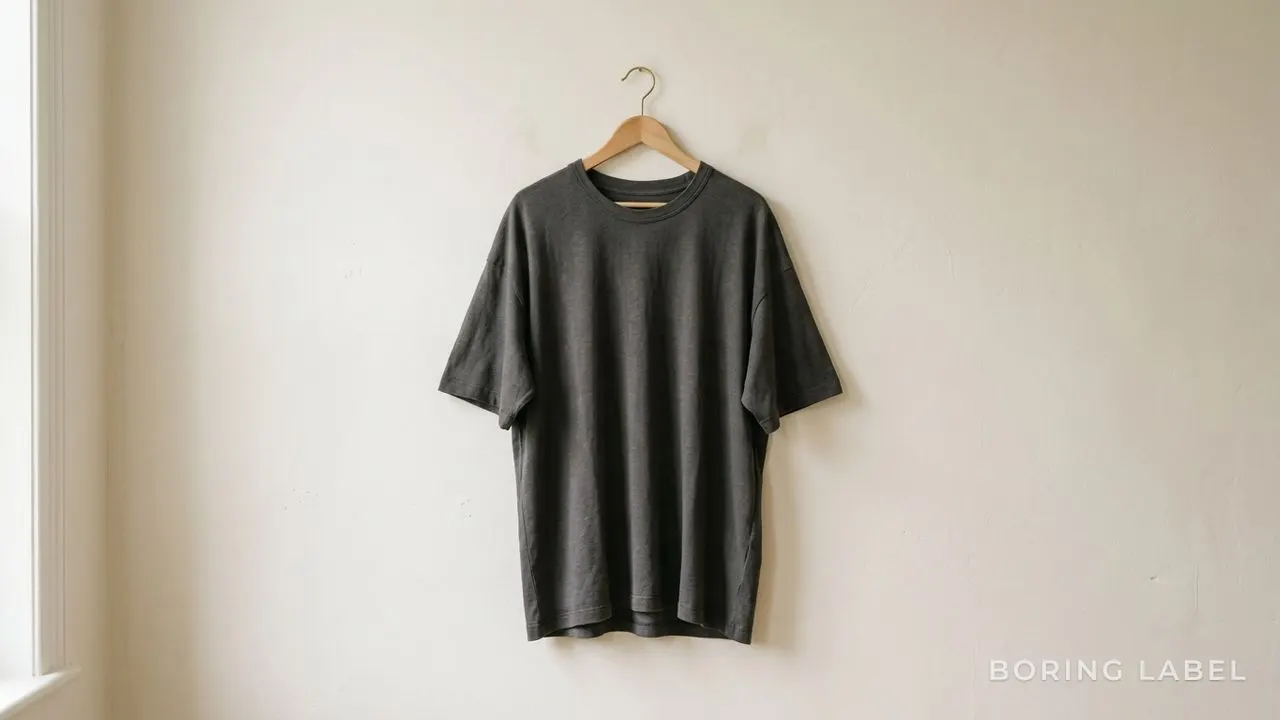
Which suits your body
This is where the decision gets personal. The same tee that flatters one frame can drown another.
Lean or tall
You have the easiest time with oversized. A drape needs a frame to hang from, and lean or tall bodies give it that without disappearing.
Oversized adds welcome visual weight to a slim frame and stops you looking like a coat hanger. Regular fit also works beautifully and is the smarter pick for anything dressed-up.
You genuinely get to choose based on the occasion.
Average build
Both work; lean on the occasion. Regular fit for smart-casual and anything where you want to look pulled-together; oversized for weekends, heat, and relaxed days.
The one caution: oversized on an average build needs the front-tuck and the fitted bottom more than it does on a tall frame, or the volume can read as bulk.
Broad or muscular
Regular and athletic fits are your friends; full oversized is the trickiest. A big oversized tee on a broad frame can add width you do not need and read as simply large rather than stylishly loose.
If you want the relaxed look, go for a relaxed regular fit - a touch looser than standard but still following the shoulder - rather than a true drop-shoulder oversized. Show the shoulders you have; do not bury them.
Shorter frames
Oversized is the highest-risk silhouette for shorter people because the extra length and volume eat your proportions and shorten the legs visually. If you love the look, choose oversized cuts made on a shorter body length, and always front-tuck to reclaim some waist.
Regular fit at a correct, mid-zip length is the safer and usually more flattering default.
The India factor: heat changes the maths
In a Mumbai or Chennai summer, a tee's job is partly to keep you sane. That tilts the decision in ways that pure aesthetics do not.
A looser cut - whether a relaxed regular or a true oversized - lets air move across your skin instead of trapping it, which genuinely feels cooler than a tee plastered to your back. So in peak heat, "a bit looser" is not just a style choice, it is a comfort one.
That said, the fabric and weight matter as much as the cut here; a heavy oversized tee in 40-degree humidity is still a sauna. For the full picture on staying cool, see our notes on breathable fabric for summer - cut and cloth work together, and getting one right while ignoring the other does not help.
The practical takeaway for Indian weather: in deep summer, err slightly looser than you would in a cooler climate, and prioritise a lighter, breathable fabric in either silhouette. A clean regular fit in a good summer-weight cotton will outperform a heavy oversized tee on a hot day, every time.
What each silhouette does to your proportions
Beyond comfort and occasion, the two cuts physically change how tall, broad, or balanced you read at a glance, and understanding that gives you a lever most people never touch.
A regular fit holds your natural proportions and presents them cleanly. The eye travels in an uninterrupted line from shoulder to hem, your waist is implied, and your height reads as it actually is.
This is why regular fit photographs so reliably and why it is the safe pick for anything where you want to look sharp without thinking about it.
An oversized fit deliberately distorts proportion, and that can work for you or against you. The volume up top widens the upper body and the longer hem lowers your visual centre of gravity.
On a tall, lean frame that distortion is flattering, because it adds presence to a body that might otherwise read as thin and stretched. On a shorter or broader frame the same distortion compounds what is already there, widening the wide and shortening the short.
The front-tuck exists precisely to claw back a waistline and undo some of that distortion, which is why it is non-negotiable on oversized for most people who are not tall and lean.
The practical lesson is that silhouette is a proportion tool, not just a comfort choice. If you want to look taller and sharper, regular fit at a clean mid-zip length does it.
If you want presence and ease and you have the frame to carry it, oversized delivers that. Knowing which effect you are reaching for turns the choice from a coin flip into a decision.
A simple way to decide
Strip it down to three questions:
- What is the occasion? Smart or dressed-up leans regular. Casual, weekend, or heat leans oversized or relaxed.
- What is your frame? Lean and tall can go either way easily. Broad, muscular, or shorter is safer in regular.
- What is below the waist? If your bottom half is fitted, oversized works. If it is also loose, default to regular or you risk looking shapeless.
If two of the three point one way, go that way. If they are split, regular fit is the lower-risk answer almost every time - which is exactly why it remains the default for anyone building a small, reliable wardrobe.
A quick scoring exercise
If you want to remove the last of the guesswork, give each silhouette a score out of three on the questions above and see which wins. Smart occasion, broad or shorter frame, loose bottom half - each of those is a point for regular.
Casual day, lean or tall frame, fitted bottom half - each is a point for oversized. Tally them.
Most people who do this honestly discover their wardrobe should lean roughly seventy percent regular, thirty percent oversized, which is a sensible split to build toward rather than buying five oversized tees on impulse and owning nothing that dresses up.
The mistakes that ruin both silhouettes
Before you commit to either cut, it helps to know the specific ways each one gets ruined, because the failure modes are different and the fixes are different.
Regular fit, ruined
The classic regular-fit error is buying for the chest and ignoring the shoulder. A tee can fit your chest perfectly and still sit wrong because the shoulder seam droops onto your upper arm, which instantly drains the sharpness that is the entire reason to wear a regular cut.
The second error is the opposite of the look people think they are buying: sizing down to look "fitted," ending up with pull lines and a collar that gaps, and calling it slim when it is simply too small. A regular fit earns its keep by looking effortless.
The moment it looks like effort - straining here, drooping there - it has lost the plot.
Oversized, ruined
Oversized fails in three predictable ways. The first is buying a regular tee a size or two up and assuming the looseness alone makes it oversized; it does not, because the seams and proportions were never designed for it, so it just reads as a tee that does not fit.
The second is loose-on-loose: an oversized tee over baggy bottoms, with no fitted point anywhere, which erases your shape entirely and reads as shapeless rather than relaxed. The third is length creep, where an oversized tee that is also too long swallows the hips and shortens the legs.
Each of these is avoidable. Buy a tee actually cut as oversized, anchor it with something fitted below, and watch the length.
Do those three things and the silhouette behaves.
The fabric trap that catches everyone
Both silhouettes share one trap: thin fabric. A flimsy, low-weight tee clings to the body in a regular fit and collapses into a sad droop in an oversized one.
The cut you chose barely matters if the cloth cannot hold a line. A regular fit needs enough weight to skim rather than cling; an oversized fit needs enough body to drape in clean folds rather than hang limp.
This is why two tees of the same cut and size can look completely different on, and why weight - measured as GSM - deserves as much of your attention as the silhouette. If you have ever bought the "right" fit and still felt the tee looked cheap, the fabric is almost always the culprit, and the GSM guide explains exactly what to look for.
A year-round wardrobe split
Because you are dressing through Indian seasons rather than a single climate, the regular-versus-oversized balance shifts across the year, and it pays to plan for it rather than buy reactively.
In the hottest months, lean toward looser cuts in light fabrics - a relaxed regular or a true oversized in a breathable, summer-weight cotton keeps air moving and sweat off your back. In the cooler months and indoors with strong air-conditioning, a trim regular fit comes into its own, because it layers cleanly under an overshirt or light jacket without bulking up.
The monsoon adds its own wrinkle: you want fabrics that dry fast and cuts that do not cling when damp, which again tilts slightly toward the looser end. None of this means owning four separate wardrobes.
It means holding a core of well-fitting regular tees and a smaller set of relaxed ones, then reaching for whichever the day's weather and plans call for. A small, deliberate set used this way beats a large, random one every time.
Build the regular fit first
If you are starting a basics wardrobe and can only get one silhouette right, make it the regular fit. It covers the most situations, flatters the most bodies, and never looks like a gamble.
Add oversized once your regular-fit game is solid and you have a sense of proportion. A wardrobe built on well-fitting regular tees - something like our round-neck tee in a couple of core colours - gives you a base that oversized pieces can play against, rather than a pile of loose tees with nothing to anchor them.
To make sure either silhouette actually fits the way it should once you have chosen, measure a tee you already love and match the numbers - the method is in how to measure your t-shirt size.
The takeaway
Oversized versus regular is not a contest, it is a casting decision. You pick the silhouette for the role: regular fit to frame your body and look sharp, oversized to drape and look relaxed.
Both are right when they are well-cut and well-matched to your frame; both look wrong when they are bought a size off and styled on autopilot.
The trap to avoid is thinking oversized just means bigger. It does not.
It means differently cut, deliberately proportioned, and balanced with something fitted. Respect that and oversized becomes a genuine style tool.
Ignore it and you are just wearing a tee that does not fit.
Most people, most of the time, are best served by getting their regular fit perfect and reaching for oversized as a deliberate change of pace. Master the default, then break it on purpose.
That is the whole game.
Boring Label
Wear the point of the article.
One honest tee. Heavyweight combed cotton, a collar that holds, a fit that actually fits. No logo, no noise.
Shop the round-neck teeFree shipping across India · Easy returns
Keep reading
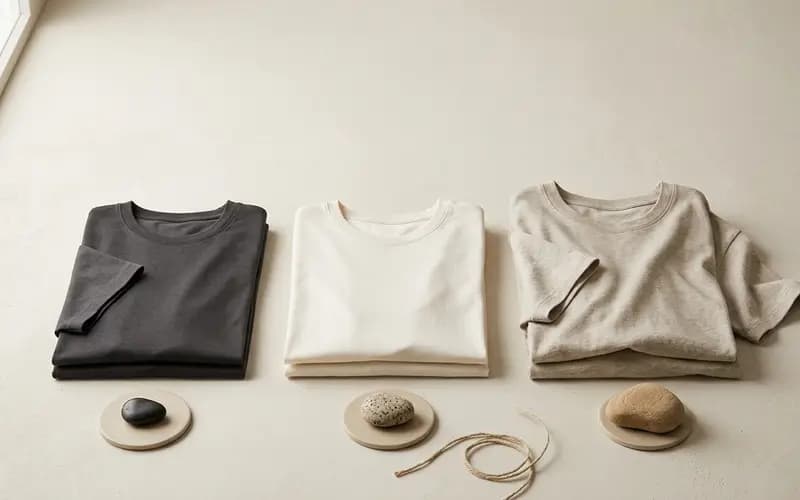
Slim vs Relaxed vs Regular Fit: Pick by Body Type
Stop blaming your body for a bad tee. A simple decision tree for picking slim, regular, or relaxed by your actual build.
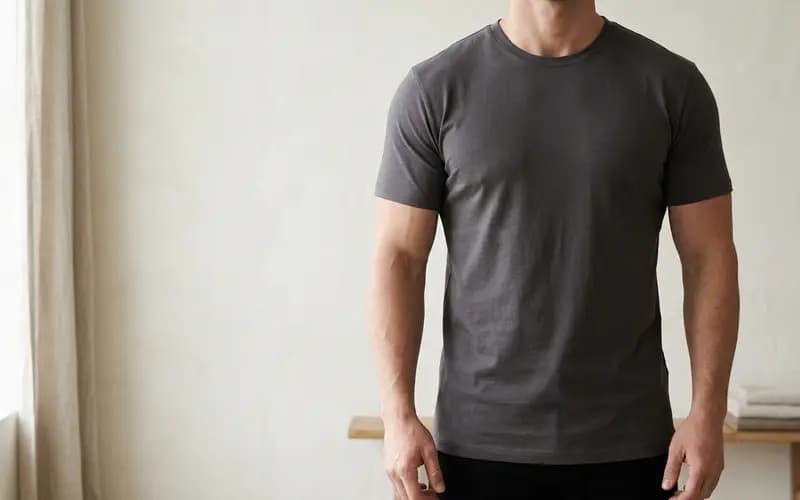
Best T-Shirt Fit for Broad Shoulders & Gym Build
Why most tees pull at the chest and balloon at the waist on a muscular build, and exactly what to look for instead.
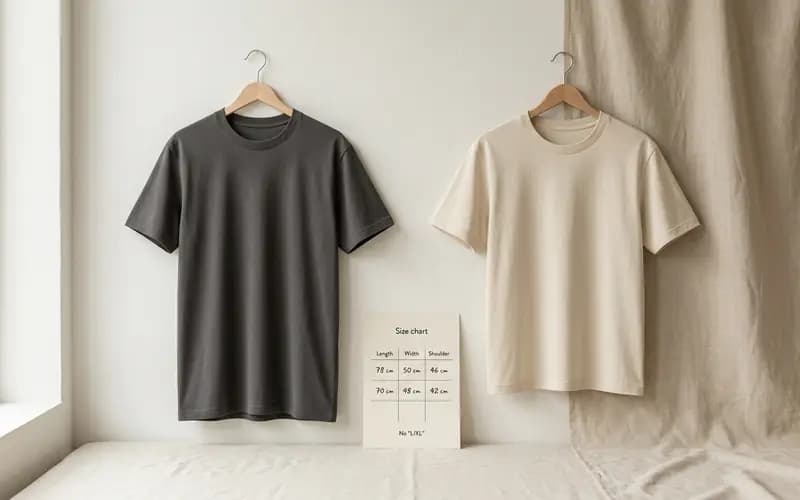
T-Shirt Fit for Tall and Short Men: Length Guide
Why the same size fails tall and short men in opposite directions - and how four measurements fix it.
Stay in the loop
New writing, no noise
Occasional notes on fit, fabric, and dressing simply well. No spam, unsubscribe anytime.
Subscribe