Fit
Slim vs Relaxed vs Regular Fit: How to Choose by Your Body Type
Stop blaming your body for a bad tee. A simple decision tree for picking slim, regular, or relaxed by your actual build.
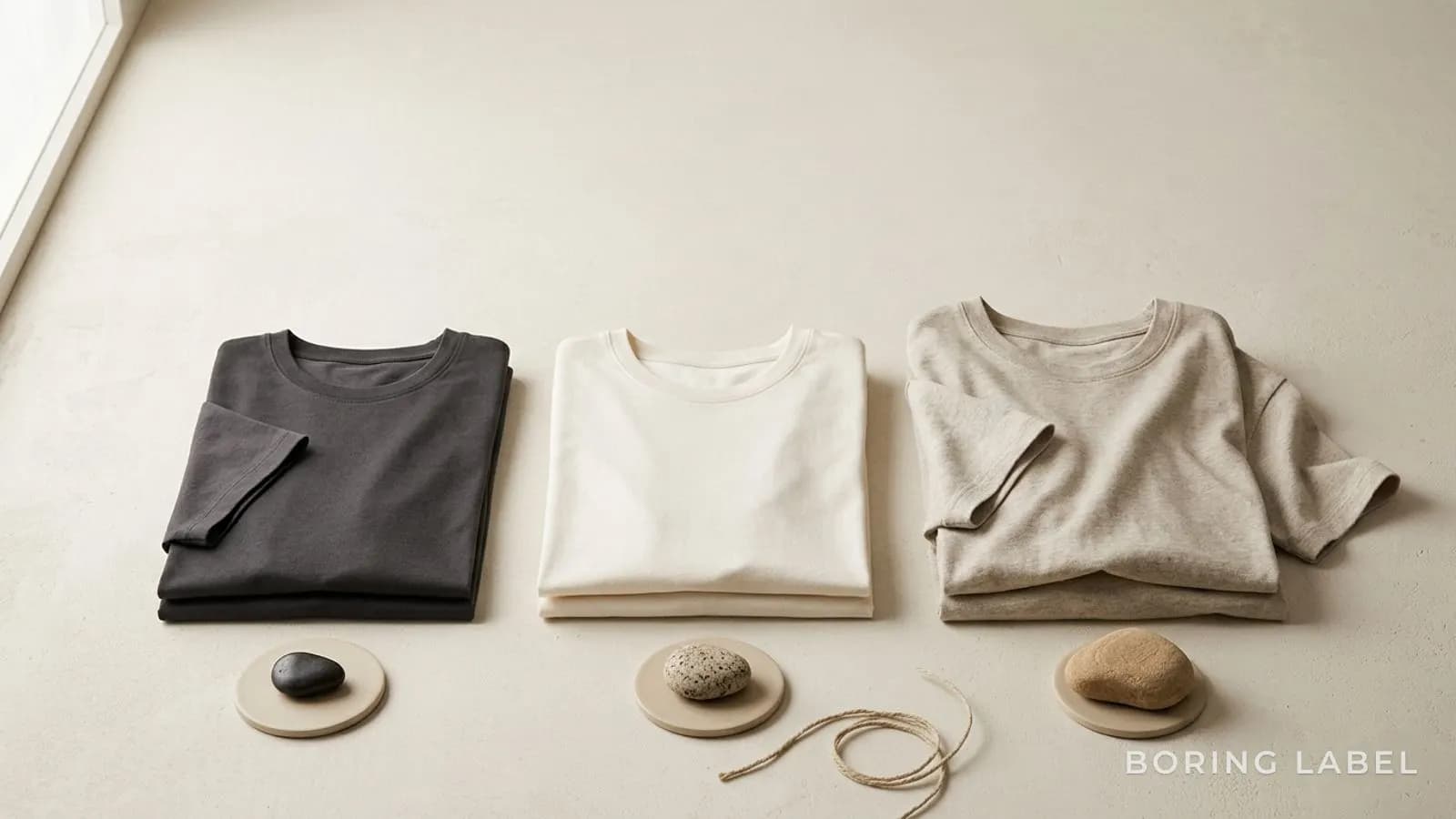
The Fit, Not the Body, Is Usually the Problem
Stand in front of a mirror in a tee that does not work and the instinct is to blame yourself. The shoulders look soft, the midsection reads heavier than it is, the whole thing hangs wrong.
So you reach for the next size down, or you start thinking about the gym. Both reactions skip the actual culprit, which is almost never your body.
It is the cut.
A tee has only a handful of decisions baked into it - how wide the shoulder is, where the shoulder seam lands, how much room there is through the chest and waist, and how long the body runs. Get those four right for your particular build and an ordinary plain tee flatters you.
Get them wrong and even an expensive tee in a beautiful cotton looks cheap on you, because it is fighting your proportions instead of working with them. The label on the rack says slim, regular, or relaxed, and most people pick one based on a vague sense of what they "should" wear rather than what their frame actually is.
This guide is a decision tree, not a fashion lecture. By the end you will know which of the three fits suits your build, where each one goes wrong, and - the part nobody tells you - why a well-cut regular or relaxed tee is the safest, most flattering choice for the majority of Indian builds, far more often than slim.
We will start with what these words actually mean, because the same three labels mean wildly different things across brands.
What Slim, Regular, and Relaxed Actually Mean
The words are not standardised. One brand's slim is another's regular, and "relaxed" can mean anything from gently roomy to nearly oversized.
So before you can choose, you need to translate the labels into the thing that actually matters: ease. Ease is the gap between your body measurement and the garment measurement.
A little ease drapes; no ease clings; a lot of ease hangs loose. Fit is really just a decision about how much ease to build in, and where.
Here is the honest translation, recognising that these are tendencies, not laws.
| Fit | Ease through chest and waist | Shoulder seam | Reads as | Tends to suit |
|---|---|---|---|---|
| Slim | Minimal - close to the body, follows your shape | Sits right on the shoulder bone, sometimes inside it | Sharp, deliberate, athletic | Lean and lean-muscular builds with a defined waist |
| Regular | Moderate - skims the body, drapes straight down | Sits at the edge of the shoulder | Classic, easy, unfussy | Most builds - the safe default |
| Relaxed | Generous - clear room through chest and waist | At or slightly past the shoulder edge | Calm, comfortable, modern | Fuller midsections, broad frames, anyone who wants ease |
Notice that the difference between the three is mostly ease, plus where the shoulder seam falls. That second point matters more than people realise and we will come back to it, because a shoulder seam in the wrong place can ruin a tee that is otherwise perfectly sized.
There is a fourth category beyond relaxed - oversized - which is a deliberately loose, dropped-shoulder silhouette that is a style choice rather than a fit-for-your-body choice. It deserves its own treatment, and we cover where it works and where it does not in oversized versus regular fit.
For this guide, we are staying inside the three fits that are about flattering your actual frame: slim, regular, relaxed.
The One Measurement That Decides Everything: Shoulder to Waist
Most fit advice online quietly assumes one body: broad shoulders tapering to a narrow waist - the classic V-taper. If that is your build, almost anything works and slim fit will look great.
But that is not the most common build, in India or anywhere. So instead of starting with "what look do I want", start with the one ratio that actually decides which fit flatters you: how your shoulder width compares to your waist.
You do not need a tape measure for this. Stand relaxed in front of a mirror and look at your silhouette honestly.
- Shoulders clearly wider than your waist, with a visible taper. You have the V-shape. This is the build slim fit was designed for, and you have the most freedom of anyone.
- Shoulders and waist roughly the same width - a fairly straight up-and-down line. This is extremely common. Often called a rectangle or oval build. Your job is to create a little shape, not to cling.
- Waist wider than your shoulders, or a fuller midsection with narrower or sloping shoulders. Also very common, and the build most poorly served by slim fit. Your job is to skim and let the fabric fall clean, never to wrap tight around the widest part of you.
Hold that self-assessment in mind, because the rest of this guide hangs off it. The single biggest fit mistake is choosing slim because it sounds flattering, when your shoulder-to-waist ratio is calling for regular or relaxed.
Slim fit does one thing: it traces your outline. If your outline already tapers, that is wonderful.
If your outline is straight or fuller in the middle, tracing it just announces exactly that. A slightly looser cut, by contrast, replaces your outline with the garment's clean vertical drape - and a clean vertical line is flattering on every build.
If you want the underlying numbers behind shoulder, chest, and length, our t-shirt fit guide lays out the general measurements, and how to measure your t-shirt size shows you how to read a tee you already own so you can buy by the measurements rather than the label. This article sits on top of those: once you know the numbers, this is how you choose between the three fits for your specific frame.
Slim Fit: Sharp on the Right Build, Unforgiving on the Wrong One
Slim fit is the most rewarding and the most punishing of the three. When it works, nothing else looks as crisp.
When it does not, nothing else looks as awkward, and there is no hiding it because the whole point of slim is that it shows your shape.
How slim reads on different builds
On a lean or lean-muscular build with a defined waist, slim fit is the obvious winner. It follows the taper you already have, the sleeves sit clean on the arm without bagging, and the body skims the torso without a wrinkle of excess fabric pooling at the waistband.
It looks intentional and modern, and it photographs sharp. This is the build the cut was made for.
On a straight, rectangular build, slim is workable but risky. Because there is no taper for the tee to follow, a slim fit can read slightly flat or boxy-tight - it clings without creating shape, which is the worst of both worlds.
It can work if the cut has a touch of taper built in, but it asks a lot of the garment and of you.
On a fuller-midsection build, slim fit is the wrong call almost every time. Tight fabric across the stomach pulls horizontal stress lines, draws the eye straight to the widest point, and can ride up through the day.
It does the opposite of what you want. This is the single most common fit mistake we see, and the fix is simply going up a notch in ease, to regular or relaxed.
Where slim goes wrong even on the right build
Even if slim suits your frame, it has failure modes worth naming:
- Sleeves that strangle the arm. Slim sleeves that are too tight bite into the bicep and leave a red line. The sleeve should be close, not constricting.
- The cling-at-the-waist trap. If the tee grips the lower torso and you can see the outline of the waistband through it, it is too slim, full stop, regardless of your build.
- Length problems. Slim fits are often cut shorter. Too short and it rides up when you raise your arms; this is worth checking before you commit.
- Buying down a size to "look slimmer". Going a size smaller does not make you look leaner. It makes the tee look small on you, which reads as the opposite. A tee that fits cleanly always looks better than one that is straining.
Slim fit is a precision instrument. Use it when your build is built for it, and resist the urge to use it as a corrective - it never corrects, it only reveals.
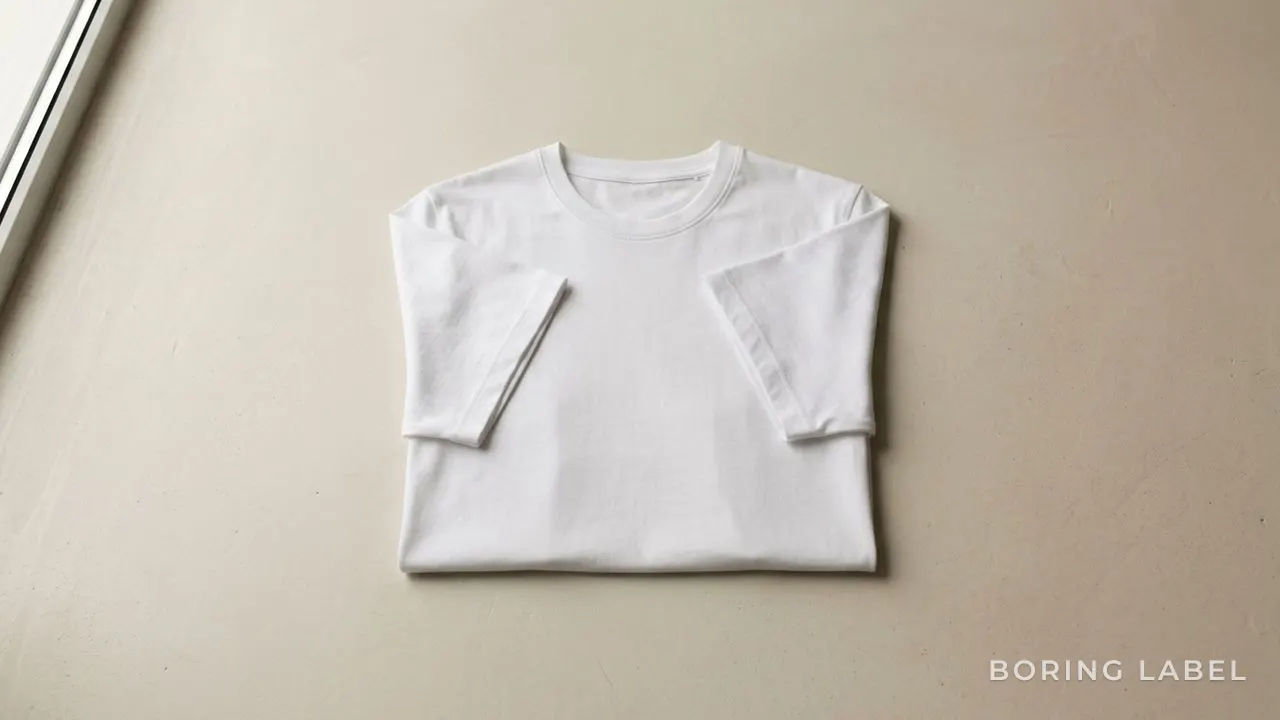
Regular Fit: The Default That Flatters Almost Everyone
If you remember one thing from this guide, make it this: regular fit is the right answer far more often than people assume. It is not the boring middle option.
It is the cut that quietly works on the widest range of bodies, which is exactly why it has been the default for plain tees for decades. A well-cut regular tee is the most democratic garment in menswear and womenswear alike.
Why regular is so forgiving
Regular fit builds in a moderate amount of ease - enough to skim the body and drape straight down from the chest, without clinging to whatever is underneath. That straight vertical drape is the secret.
Instead of tracing your outline like slim does, a regular tee gives the eye a clean, uninterrupted line from shoulder to hem. A clean vertical line is universally flattering: it lengthens, it tidies, and it does not editorialise about your midsection one way or the other.
On a V-taper build, regular fit looks relaxed and confident - slightly less sharp than slim, but easier and more versatile. On a straight build, it is ideal, because the gentle drape adds the suggestion of shape that the body itself does not provide.
On a fuller-midsection build, regular fit is often the sweet spot: enough room to skim past the stomach without tightness, but not so much fabric that you look like you are swimming in it. It is the fit that asks the least of your body and gives back the most.
Getting regular fit right
The thing that separates a great regular tee from a sloppy one is not the ease through the body - it is the shoulder. A regular fit should still have its shoulder seam sitting right at the edge of your shoulder, where the arm meets the torso.
That single seam, placed correctly, is what keeps a regular tee looking deliberate rather than baggy. When the body has easy drape but the shoulder is precise, you get the calm, expensive look.
When the shoulder slips down the arm, the same tee suddenly reads as too big.
This is much of why a thoughtfully cut round-neck tee in a true regular fit works on so many people: the shoulder is engineered to sit where it should, and the body is given just enough ease to drape clean without hanging loose. Regular fit done properly is not the absence of a decision - it is a very deliberate balance, and it is the balance that suits the most builds.
It is also the most versatile fit you can own, which matters if you are trying to build a small, hard-working wardrobe rather than a pile of single-use clothes. A clean regular tee tucks into trousers for a smart-casual look, layers cleanly under a shirt or jacket without bunching, and stands alone with jeans - all from the same garment.
Slim is harder to layer because it adds no room for what goes underneath, and relaxed can look untidy tucked in. Regular sits in the middle and does all three jobs, which is exactly what you want from a basic that has to earn its place.
If you are thinking in terms of a tight, considered wardrobe, the regular-fit tee is the spine of it - the piece you reach for most and notice least.
If you have ever pulled on a regular-fit tee and felt it looked cheap or shapeless, the problem was usually one of two things: the shoulder seam was in the wrong place, or the fabric was too thin to drape and instead clung. Weight matters as much as cut here - a tee with the right GSM for the Indian climate has the body to fall in a clean line rather than draping limply against you.
Relaxed Fit: Comfort That Still Looks Considered
Relaxed fit is the most misunderstood of the three. People hear "relaxed" and picture something sloppy or shapeless, the tee you wear when you have given up.
Cut well, it is the opposite. A good relaxed fit is calm, modern, and quietly flattering - it has become the default for a lot of people who realised that clinging was never doing them any favours.
What relaxed actually offers
Relaxed fit takes regular fit and adds a measured amount of room through the chest and waist - generous, but not the deliberately dropped, oversized silhouette that is its own separate thing. The body skims well clear of you and falls in a soft, clean column.
For a fuller build, this is genuinely the most flattering option of the three: nothing grips, nothing pulls, and the eye reads a calm vertical line rather than the shape of your torso. For a broad or larger frame, the extra room simply lets the tee breathe and move with you.
There is also a comfort argument that matters more in India than in cooler places. A relaxed fit sits away from the skin, which means more airflow and less of the damp-cling problem that any tee develops in peak summer humidity.
We get into the fabric side of staying cool in breathable fabric for summer, but the cut plays its own part: a tee that is not pressed against you is simply cooler to wear when it is 38 degrees and humid. There is a real limit here worth stating honestly - in extreme humidity, even a relaxed cotton tee will eventually cling once you have been sweating long enough, because cotton holds moisture.
A looser fit delays that and keeps you comfortable longer, but no cut defeats physics entirely. What it does buy you is more good hours before the cling sets in, which on a long summer day is the difference that matters.
Relaxed fit has also quietly become the more current look, which is worth knowing if you care about not appearing dated. For most of the last two decades, slim was the fashionable default and roomier cuts read as old-fashioned.
That has flipped. Easy, draping silhouettes now read as modern and considered, while very tight tees can read as trying too hard or stuck in an earlier era.
You do not have to chase trends to benefit from this - it simply means the comfortable choice is also, for once, the contemporary one, so you are not trading style for ease.
Where relaxed goes wrong
Relaxed fit fails in one direction: too much. The line between relaxed and accidentally-oversized is thinner than it looks, and crossing it changes the whole effect.
- The shoulder gives it away. In a proper relaxed fit, the shoulder seam still sits at or very close to the edge of your shoulder. Once that seam slides well down your upper arm, you are no longer in relaxed territory - you are in oversized, which is a style, not a flatter-my-build choice.
- Length and proportion. Relaxed tees that are also too long start to look like a nightshirt. The hem should sit around the middle of your hip, roughly where it would on a regular fit.
- Pairing it loose-on-loose. A relaxed tee with equally loose, wide trousers reads as shapeless overall. Relaxed up top wants something cleaner on the bottom to balance it.
Get the shoulder and the length right, and relaxed fit gives you the rare combination of being the most comfortable option and one of the most flattering. For many fuller and broader Indian builds, it is the fit that finally makes a plain tee feel right.
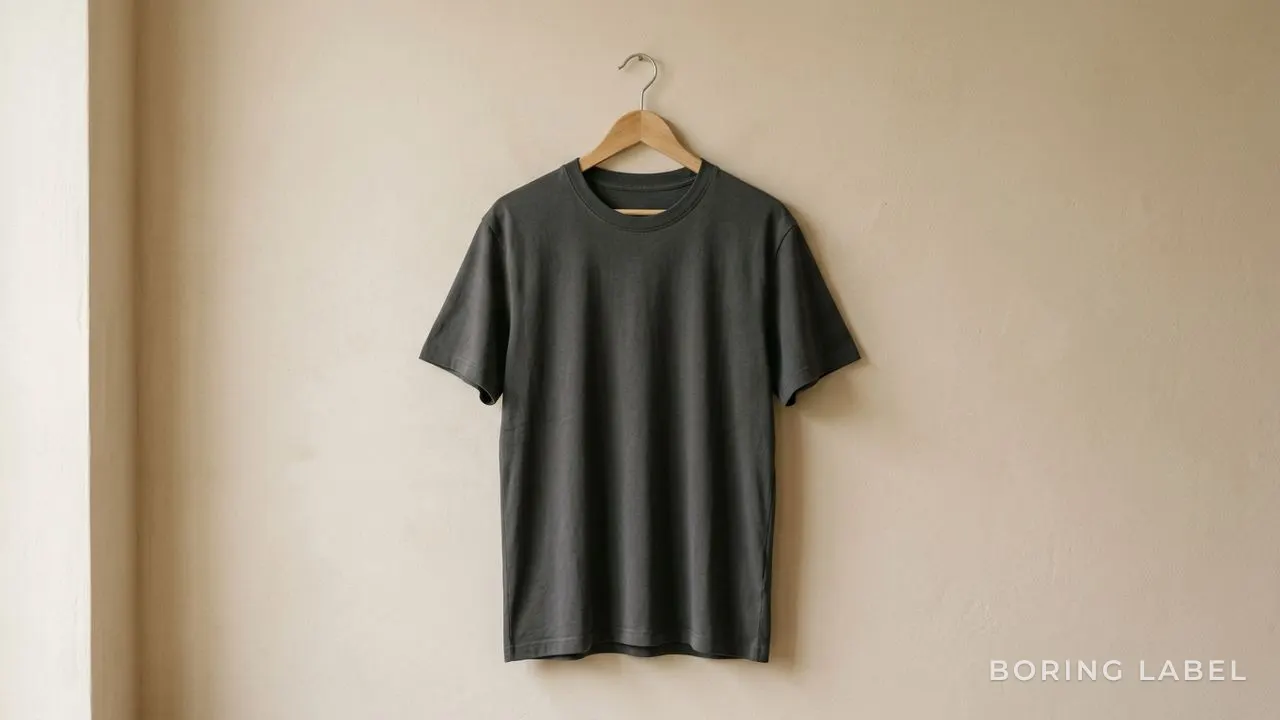
The Shoulder Seam: The Detail That Decides It All
We keep returning to the shoulder seam, so let us make it explicit, because it is the single most reliable fit signal on any tee and the one almost nobody checks. Forget the chest measurement for a moment.
The first thing to look at when you try on a tee is where the shoulder seam lands.
The seam where the sleeve joins the body should sit right at the bony edge of your shoulder - the point where the flat top of your shoulder turns and starts to become your arm. When the seam is there, every fit looks intentional, whether slim, regular, or relaxed.
The tee hangs from the correct anchor point and everything below it drapes properly.
When the seam sits inside that point, up toward your neck, the tee is too small in the shoulder. The sleeves will pull, the armholes will feel tight, and the whole tee strains across the upper back.
When the seam sits outside that point, down your upper arm, the tee is too big in the shoulder - and this is the more common problem, because a dropped seam makes even a good tee read as baggy and borrowed. The exception is a deliberate oversized cut, where the dropped shoulder is the whole intention; but if you are buying slim, regular, or relaxed and the seam is on your arm, the tee is wrong for you.
Here is why this matters more than the body measurement: a tee can have perfect ease through the chest and still look terrible because the shoulder is off, and a tee can be a touch generous through the body and still look sharp if the shoulder is exactly right. The shoulder is the structural anchor.
Brands that understand fit obsess over shoulder placement, and it is one of the quiet reasons some plain tees look expensive and others look cheap even at the same price - a point we unpack in why some t-shirts look cheap. When you try anything on, glance at the seam first.
It will tell you more in two seconds than the size label tells you at all.
A Simple Decision Tree
Pulling it all together, here is how to choose without overthinking. Start from your honest shoulder-to-waist read, then layer in what you want from the tee.
Step one: read your build
- V-taper - shoulders clearly wider than waist: all three fits are open to you. Slim if you want sharp, regular if you want easy, relaxed if you want comfort. You have the most freedom.
- Straight - shoulders and waist similar: regular fit is your default and your safest bet. Relaxed if you want more ease. Slim only if the cut has a touch of taper and you like a closer look - and never sized down.
- Fuller midsection or narrower shoulders: regular or relaxed, full stop. Regular to skim, relaxed for maximum ease and comfort. Skip slim; it works against you.
Step two: layer in the occasion
- Sharp and put-together - leaning toward smart-casual - pushes you a notch tighter: slim if your build allows, otherwise a clean regular. A crisp regular tee is a genuine smart-casual workhorse, as we cover in smart casual basics.
- Easy and everyday lives squarely in regular fit.
- Maximum comfort, hot weather, long days pushes you toward relaxed.
Step three: check the shoulder, always
Whatever you have chosen, the shoulder seam must sit at the edge of your shoulder. If it does not, change the size or the fit before you change your mind about the cut.
The shoulder is non-negotiable.
That is the entire decision. Build first, occasion second, shoulder check last - and the answer for most people, most of the time, lands on regular or relaxed rather than slim.
Common Fit Mistakes, and How to Stop Making Them
A few errors come up again and again. Naming them is the fastest way to stop repeating them.
Buying slim to look slimmer. Already mentioned, worth repeating because it is the most common one. Tight fabric across a fuller torso emphasises exactly what you are trying to play down.
A skimming regular or relaxed fit is the actual slimming choice, because the eye follows the clean drape instead of the body underneath.
Sizing down for a tighter look. A size too small does not look fitted; it looks like a tee that shrank. The fabric strains, the seams sit wrong, the hem rides up.
A tee that fits at its correct size always looks more considered than one a size too small. Buy the size, not the squeeze.
Sizing up for comfort and getting baggy instead. The flip side. If a tee feels tight, the instinct is to go up a full size, but that often overshoots and drops the shoulder onto your arm.
Usually what you wanted was a relaxed fit in your normal size, not a regular fit one size up. The two are different garments and the relaxed cut is built to be roomy in the right places, where the size-up is just bigger everywhere, including the shoulder.
Ignoring length. Too short rides up and exposes your midriff when you reach; too long stacks at the hip and shortens your legs. The hem wants to sit around the middle of your hip - low enough to tuck if needed, high enough to leave untucked cleanly.
Judging fit on day one only. A tee that fits perfectly new but is made of thin, low-quality cotton will lose its shape, sag at the neck, and drape differently within a few washes. Fit and fabric are linked; a cut only stays flattering if the cloth holds it.
That is partly a cotton-quality question - the difference combed cotton makes versus carded shows up in how a tee keeps its shape over a year, not just how it sits in the trial room.
Chasing one ideal silhouette. There is no single correct body for a tee. The V-taper is not the only flattering build; it is just the one fit guides default to.
A straight build looks excellent in clean regular fit. A fuller build looks calm and considered in relaxed fit.
The goal is never to look like a different body - it is to wear the cut that lets your actual body look its best, which it will, every time, once the fit matches the frame.
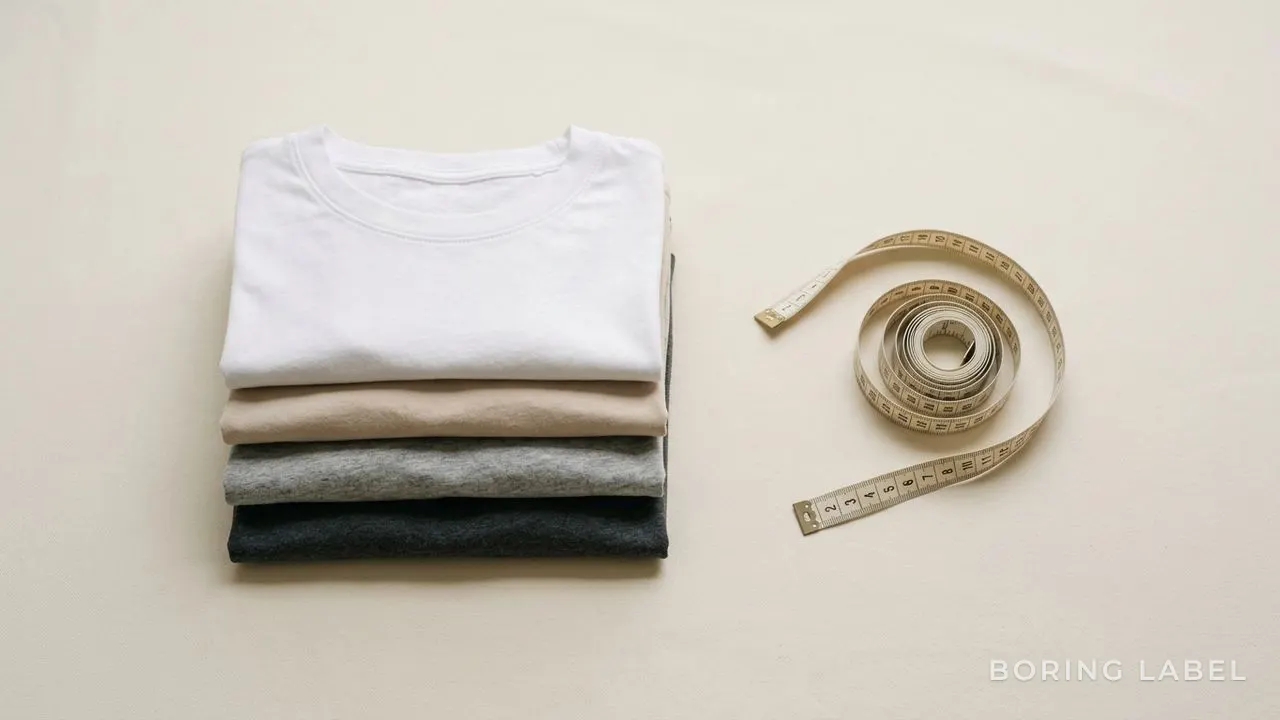
Why a Well-Cut Regular or Relaxed Tee Wins for Most Indian Builds
It is worth saying plainly, because the whole internet of fit advice leans the other way. The most common Indian builds - straight torsos and fuller midsections far more than sculpted V-tapers - are best served by a well-cut regular or relaxed tee, not by slim.
South Asian frames also tend toward narrower shoulders on average, which makes the slim-fit, shoulder-hugging look harder to pull off and the clean vertical drape of regular and relaxed easier to wear. Slim fit gets marketed as the aspirational, flattering choice, but for the majority of people reaching for a plain tee, it is the choice most likely to disappoint.
A regular or relaxed fit does the quiet work. It skims rather than clings.
It gives the eye a clean line rather than a body contour. It stays comfortable through a hot, long Indian day instead of gripping and riding up.
And crucially, when the shoulder is engineered to sit in the right place and the cotton has enough weight to drape properly, that "default" fit stops being a compromise and becomes the most flattering thing you can wear. This is not settling.
It is choosing the cut that actually works for your frame instead of the one a fitness ad told you to want.
The honest limits apply, of course. No fit fixes a tee made from thin, cheap fabric that sags after three washes - cut and cloth have to be right together.
No single fit flatters every body identically; you still have to read your own build and choose accordingly. And fit is partly personal taste - some people genuinely prefer the close feel of slim, and if it suits your frame, wear it with confidence.
None of this is about rules so much as about matching the cut to the body in front of the mirror.
But the pattern holds. Most people are wearing the wrong fit, blaming their bodies, and reaching for the wrong correction.
The fix is almost never a smaller size or a stricter diet. It is a regular or relaxed tee, cut properly, with the shoulder seam where it belongs, in a cotton heavy enough to fall in a clean line.
Get that, and an ordinary plain tee does the one thing it should: it disappears into looking good, and lets you stop thinking about it. That is the whole point of a basic - and it is exactly what we set out to make.
Boring Label
Wear the point of the article.
One honest tee. Heavyweight combed cotton, a collar that holds, a fit that actually fits. No logo, no noise.
Shop the round-neck teeFree shipping across India · Easy returns
Keep reading
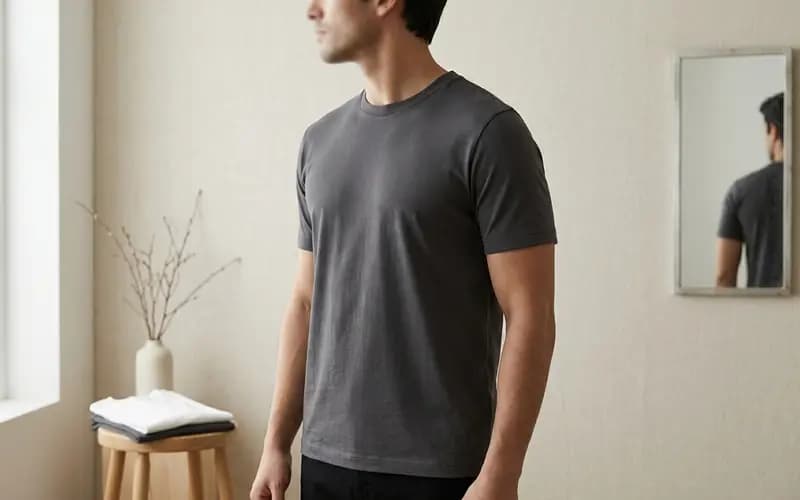
T-Shirt Fit Guide: How a Tee Should Actually Fit
Most tees fail at the shoulder, not the size label. Here is how a t-shirt should actually sit on your body.
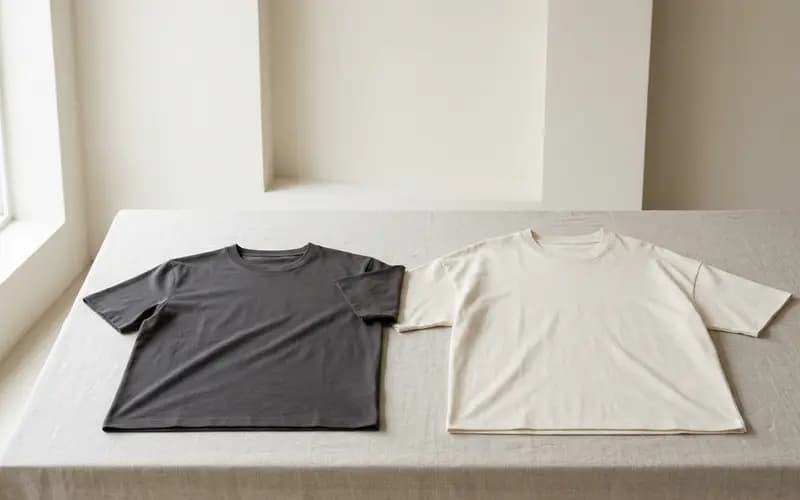
Oversized vs Regular Fit T-Shirt: Which Suits You
One drapes, one frames. Neither is 'better' — it depends on your frame and what you wear it with.
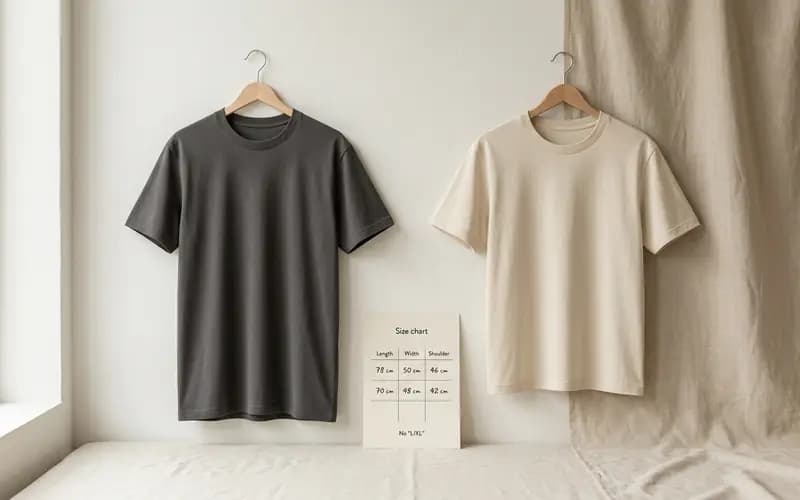
T-Shirt Fit for Tall and Short Men: Length Guide
Why the same size fails tall and short men in opposite directions - and how four measurements fix it.
Stay in the loop
New writing, no noise
Occasional notes on fit, fabric, and dressing simply well. No spam, unsubscribe anytime.
Subscribe